
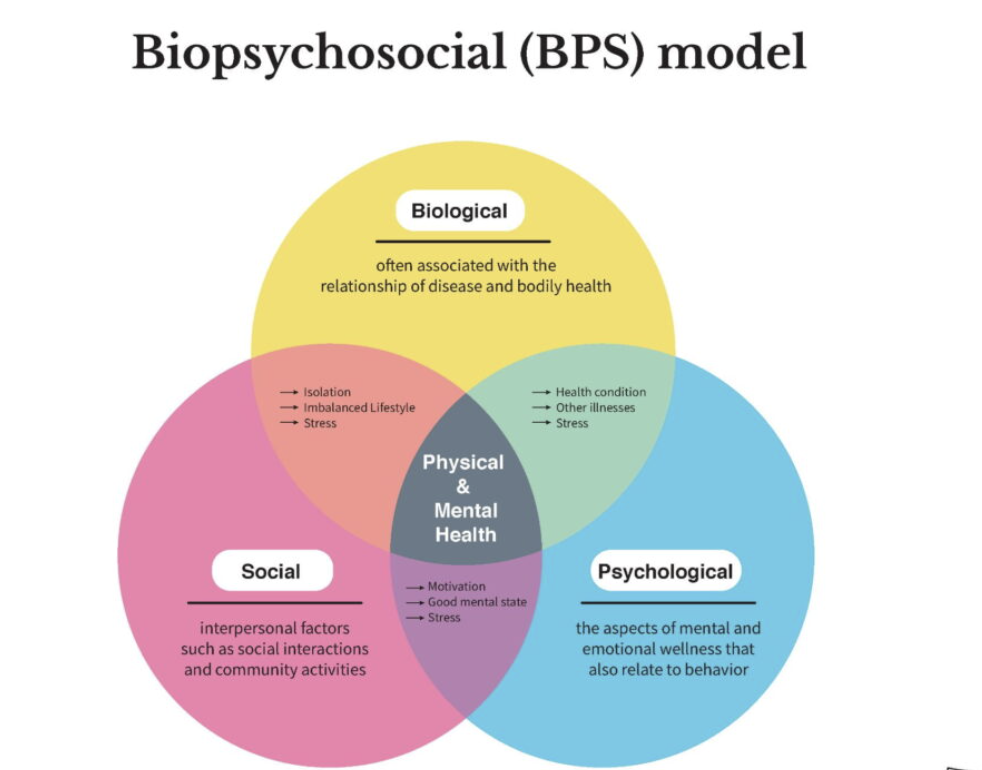

Physitrack: har varit verksamt i Nederländerna i 10 år, med över 1 500 aktiva vårdgivare. Hostas i Nederländerna, uppfyller GDPR-kraven och har elva kopplingar till nederländska elektroniska patientjournalsystem.


Antalet pickleballskador ökar kraftigt på fysioterapiklinikerna. Lär dig mer om de fem vanligaste skademönstren som behandlarna ser, varför spelare över 40 år rehabiliteras på ett annat sätt och hur man behandlar och förebygger dessa skador.

Följsamhet till träningsprogram för hemmabruk inom fysioterapin: vad forskningen visar om typiska följsamhetsnivåer, varför patienter slutar träna och vilka insatser (video, uppföljning, återkoppling) som faktiskt fungerar.



Ett bibliotek med kliniska övningar för fysioterapeuter i Storbritannien med över 18 000 videostyrda övningar på över 15 språk. Läs om vad du bör tänka på när du väljer programvara för hemträningsprogram (HEP) för NHS och privata kliniker.
Den bästa programvaran för dokumentation inom fysioterapi med stöd för manuell muskeltestning (MMT). Jämför WebPT, Physitrack, MedBridge, Raintree och Prompt Health när det gäller integration med elektroniska patientjournaler (EHR) och hastigheten vid journalföring.
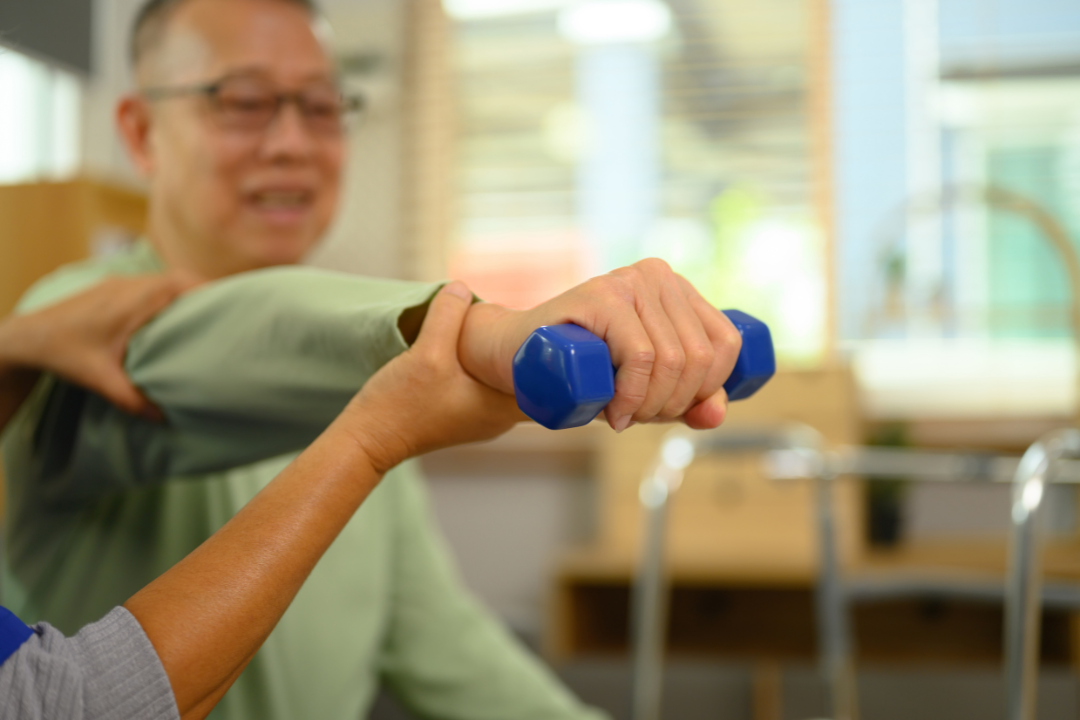

Physitrack med Jane App för att erbjuda träningsprogram för hemmabruk, videodemonstrationer och uppföljning av träningsföljsamhet. Gemensamma kunder får 15 % rabatt. Se hur det fungerar.



Physicourses: Fortbildningspoäng (CEU) för fysioterapeuter, arbetsterapeuter, logopeder och idrottstränare, i kombination med HEP och RTM i ett enda abonnemang till fast pris. Jämför ackreditering, kurser och plattformar.

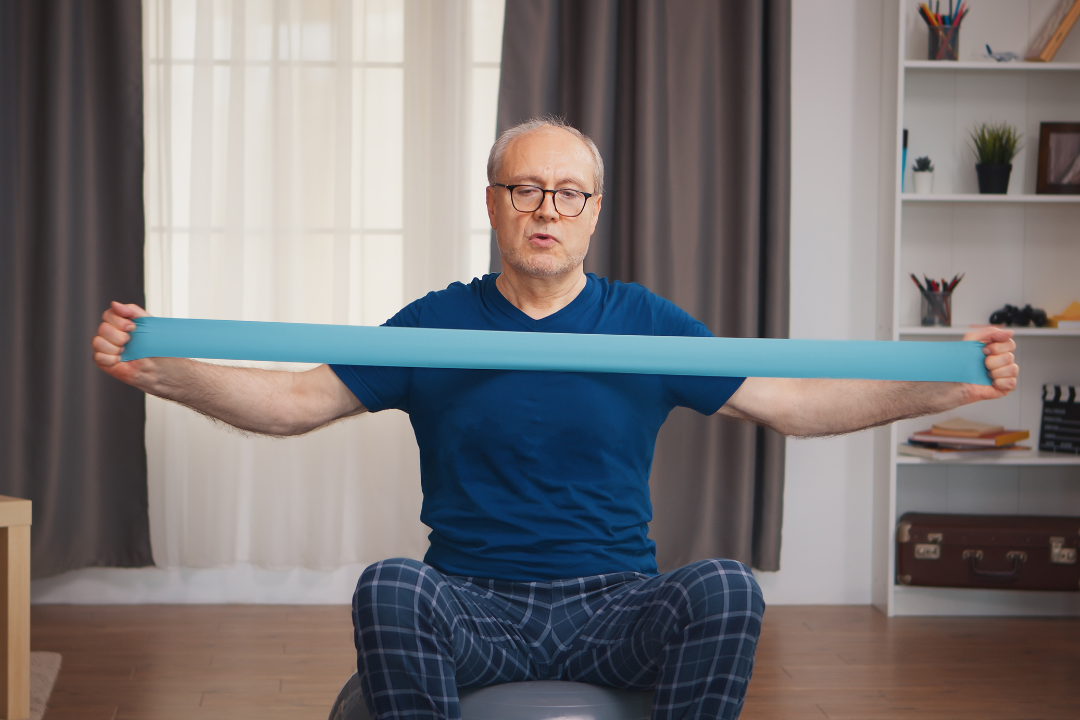
Recensioner av Limber Health: verkliga betyg från appbutiker, klagomål om tillförlitlighet och hur företagets Care Navigator RTM-modell står sig mot CMS:s föreslagna personalregler för 2027. Se Physitrack .

