
Physitrack: attiva da 10 anni nei Paesi Bassi, con oltre 1.500 professionisti sanitari attivi. Ospitata nei Paesi Bassi, conforme al GDPR, con undici integrazioni con sistemi di cartelle cliniche elettroniche olandesi.

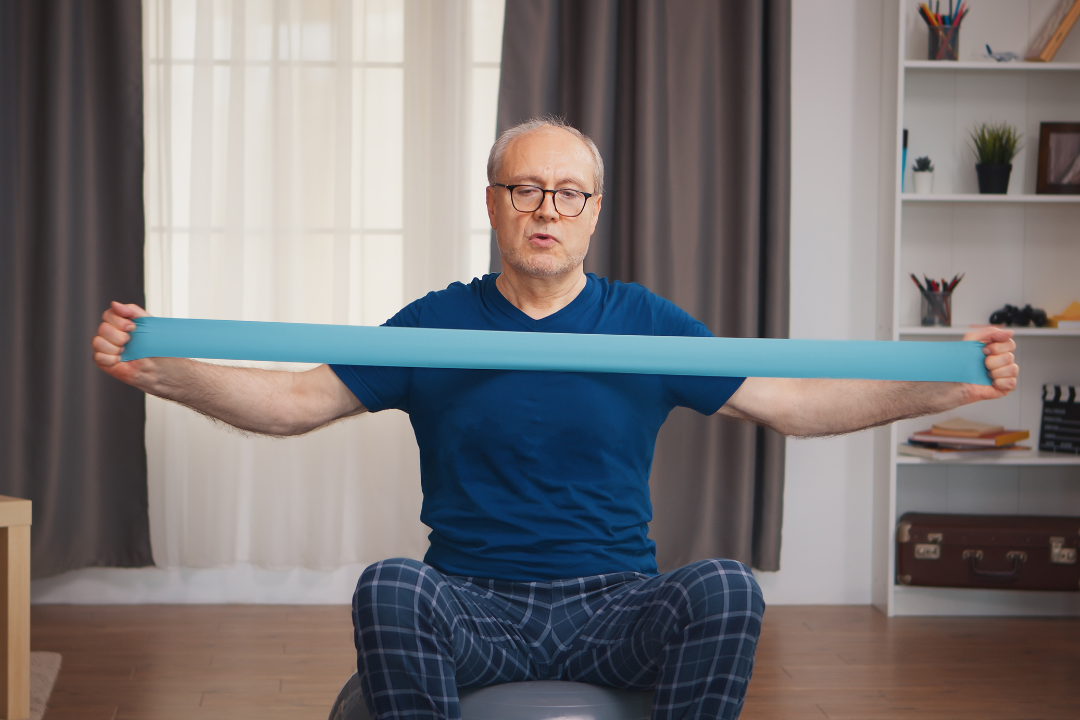
Cosa vogliono realmente i pazienti della Generazione Z, della Generazione X e dei baby boomer da un programma di esercizi da fare a casa, e perché è il formato, e non l’età, a determinare se lo porteranno avanti.

Gli infortuni legati al pickleball stanno aumentando vertiginosamente nelle cliniche di fisioterapia. Scopri i 5 quadri clinici più frequenti osservati dai fisioterapisti, perché i giocatori over 40 seguono un percorso riabilitativo diverso e come trattarli e prevenirli.

Adesione al programma di esercizi a casa nella fisioterapia: cosa emerge dalla ricerca sui tassi tipici, perché i pazienti smettono di fare esercizio e quali interventi (video, monitoraggio, feedback) funzionano davvero.

I dati RTM e HEP forniscono ai responsabili dei casi di infortunio sul lavoro prove oggettive dell'aderenza al programma di esercizi e dei progressi nel ritorno al lavoro. Scopri come funzionano la fatturazione CPT, le tappe fondamentali e la rendicontazione.

L'aderenza al programma HEP pediatrico parte dal caregiver, non dal bambino. Una guida alla progettazione del programma, al coinvolgimento e al coaching per fisioterapisti e terapisti occupazionali pediatrici.

Libreria di esercizi clinici per fisioterapisti del Regno Unito con oltre 18.000 esercizi guidati da video in più di 15 lingue. Scopri quali sono le caratteristiche da cercare in un software per il programma di esercizi a casa (HEP) destinato al Servizio Sanitario Nazionale (NHS) e alle cliniche private.
Il miglior software di documentazione per fisioterapisti con supporto per il test muscolare manuale (MMT). Confronta WebPT, Physitrack, MedBridge, Raintree e Prompt Health in termini di integrazione con le cartelle cliniche elettroniche (EHR) e velocità di compilazione delle cartelle cliniche.

Physitrack con l'app Jane per offrire programmi di esercizi da fare a casa, video dimostrativi e monitoraggio dell'aderenza al programma. I clienti in comune beneficiano di uno sconto del 15%. Scopri come funziona.

Come 13 organizzazioni del Servizio Sanitario Nazionale (NHS) utilizzano Physitrack coinvolgere i pazienti a distanza su larga scala: governance clinica, governance delle informazioni, interoperabilità con Epic e implementazione multisito.

Registra un esercizio personalizzato e aggiungilo al programma di un paziente in meno di 60 secondi. PhysiAssistant la prescrizione degli esercizi direttamente al capezzale del paziente, in reparto o a bordo campo.

Physicourses: crediti formativi (CEU) per fisioterapisti, terapisti occupazionali, logopedisti e preparatori atletici, in un unico abbonamento forfettario che include anche HEP e RTM. Confronta accreditamenti, corsi e piattaforme.

Spiegazione dei codici di fatturazione e dei rimborsi nella fisioterapia: codici CPT, la regola degli 8 minuti, le norme di Medicare rispetto a quelle dei pagatori privati e i motivi per cui le richieste di rimborso vengono respinte.
Recensioni su Limber Health: valutazioni reali sugli app store, reclami relativi all’affidabilità e come il suo modello Care Navigator RTM regga il confronto con la norma sul personale proposta dal CMS per il 2027. Consulta il Physitrack .

Guida all'acquisto 2026 delle piattaforme di teleriabilitazione: le tre tipologie disponibili sul mercato, quali caratteristiche confrontare e quale strumento è più adatto a ogni tipo di clinica.
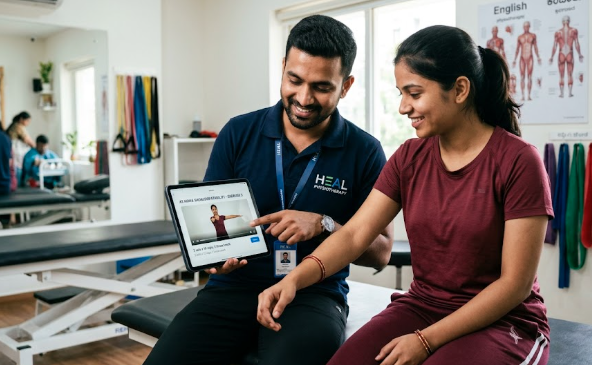
I software di gestione delle cliniche si occupano della pianificazione degli appuntamenti e della fatturazione, ma non della prescrizione degli esercizi fisici né del coinvolgimento dei pazienti. Scopri come le cliniche con più sedi in India colmano questa lacuna.

