

Step-by step guide to the pelvic rocking exercise
Maximize effectiveness: Tips for patients and practitioners
Step-by step guide to the pelvic rocking exercise
Maximize effectiveness: Tips for patients and practitioners

1. Step-by-step video on how to do the pelvic rocking exercise

How to perform the Pelvic Rocking

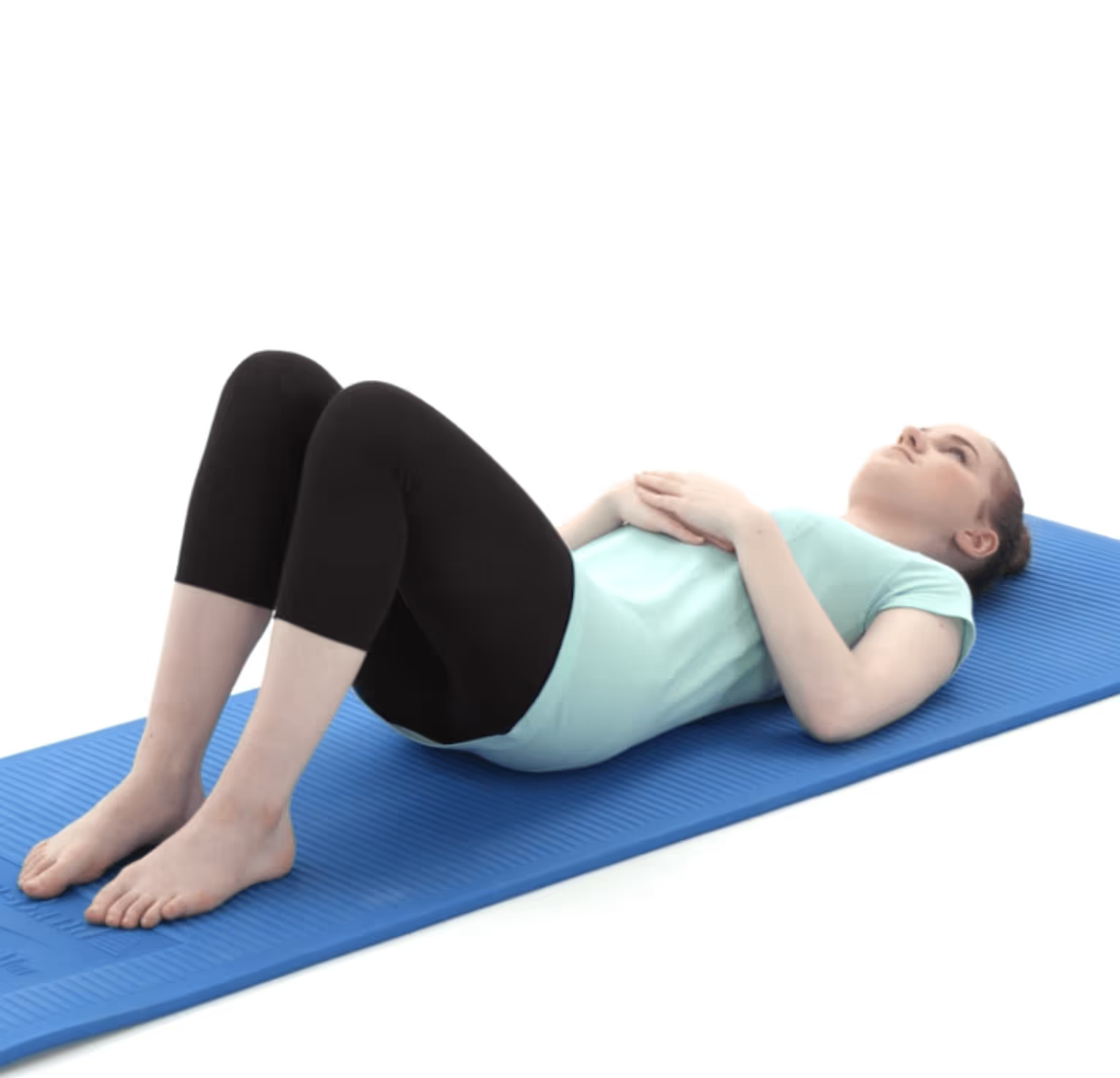


%20(1).avif)
3. About the pelvic rocking exercise
- Involves gently rocking the pelvis from side to side or in a circle
- Helps to warm up and prepare the muscles for further exercise
- Strengthens core muscles in the hips and lower back
- Can be done whilst standing, sitting, or lying down
4. Benefits of the pelvic rocking exercise
Here are some potential benefits of performing this exercise:
- Strengthens the pelvic floor muscles, resulting in improved bladder and bowel control.
- Helps reduce hip and low back pain.
- Increases circulation in the area, aiding in recovery from injury.
- Improves overall physical and mental well-being.
5. FAQ on the pelvic rocking exercise


The purpose of pelvic rocking is to improve the flexibility and strength of the pelvic muscles. It is a gentle exercise that can help to reduce pain in the lower back, hips, and abdomen. It can also help to improve posture and balance, as well as increase circulation and reduce stress.
Pelvic rocking should be done daily or as often as possible. It is important to do pelvic rocking regularly to help strengthen the pelvic floor muscles and improve overall pelvic health.
Pelvic rocking targets the core muscles, including the abdominal muscles, hip flexors, and gluteal muscles. Additionally, it can help to strengthen the lower back muscles and improve balance.
Pelvic rocking is a therapeutic exercise that can help to relieve pain and tension in the lower back, hips, and abdomen. It can also help to improve posture, strengthen the core muscles, and improve circulation. Additionally, pelvic rocking can help to reduce stress and anxiety, and improve overall balance and coordination.

