Pelvic Floor Exercises for Women: A Guide to Strength and Recovery
TL;DR
- Pelvic floor exercises can help restore muscle function after pregnancy and childbirth as part of a gradual postpartum recovery plan.
- Regular training can improve bladder and bowel control, including leakage during coughing, lifting, or exercise.
- Strong, responsive pelvic floor muscles support the pelvic organs and may help reduce prolapse symptoms or future risk.
- Correct engagement comes before progression. A contraction should feel like a gentle lift and squeeze without bearing down, holding your breath, or gripping your buttocks.
- Safe programs begin with controlled contractions in easier positions, then add longer holds, standing work, and functional movement. A clinician can guide this progression and track your practice remotely.
Why pelvic floor strength matters
Pelvic floor muscles support the bladder, bowel, and reproductive organs while helping control urination and bowel movements. These muscles also respond when pressure rises during coughing, lifting, running, or laughing. Adequate strength, endurance, and coordination help the pelvic floor manage that pressure without leakage or a feeling of heaviness.
Pregnancy and childbirth can stretch pelvic floor muscles and the tissues around them. Gradual pelvic floor strengthening may support postpartum recovery by restoring muscle control and improving confidence during daily movement. Recovery varies after vaginal and cesarean births, so pain, birth injuries, surgical healing, and other medical factors should shape the exercise plan.
Pelvic floor muscle training can improve common forms of urinary incontinence, particularly leakage linked to exertion or a sudden urge to urinate. Effective training teaches the muscles to contract with enough force and at the right time. Persistent leakage still warrants assessment because bladder habits, muscle tension, medication, infection, and other health conditions may contribute.
A responsive pelvic floor also helps support the pelvic organs and may reduce the risk or symptoms of pelvic organ prolapse. Exercise cannot guarantee prevention or reverse every prolapse, especially when connective tissue changes or significant organ descent are present. A pelvic health physical therapist can assess muscle strength, coordination, and resting tension before recommending a suitable plan.
More strengthening does not help every symptom. Some women have pelvic floor muscles that remain overactive and struggle to relax, which can contribute to pelvic pain, painful sex, constipation, or difficulty emptying the bladder. Anyone experiencing those symptoms, a vaginal bulge, worsening pressure, or unexplained bleeding should seek individualized clinical assessment before continuing pelvic floor exercises.
Finding and engaging the right muscles
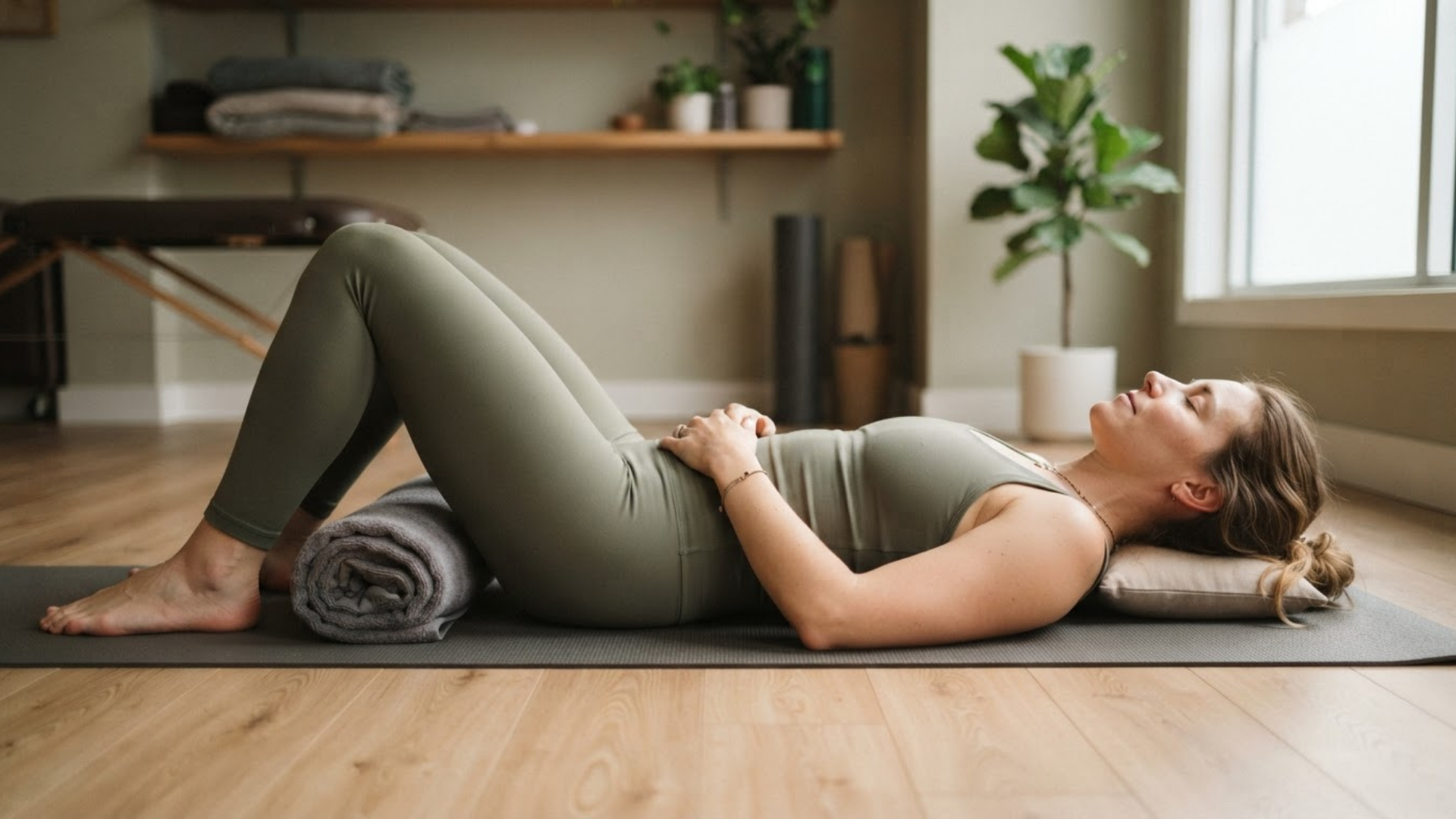
Start in a comfortable position where you can minimize help from surrounding muscles. Lie on your back with your knees bent and feet supported, or lie on your side with a pillow between your knees. Let your abdomen soften and breathe normally before attempting a contraction.
A correct contraction feels like a gentle squeeze around the vaginal and anal openings followed by a small lift upward inside the pelvis. Imagine stopping gas while drawing the muscles slightly inward. You may notice the area between the pubic bone and tailbone move inward, but you should not feel pressure pushing downward.
Keep breathing while you hold the contraction. Your abdomen may tighten slightly, but your buttocks and inner thighs should not drive the movement. Place one hand on your abdomen and another on a buttock to confirm neither is tensing and taking over the contraction. Release fully after each contraction and allow the pelvic floor to return to its resting position.
Avoid practicing by repeatedly stopping urine flow. Interrupting the stream once may help you recognize the muscles, but regular interruption can interfere with normal bladder emptying. If you feel comfortable checking internally, a clean finger placed gently inside the vagina may detect a light squeeze and upward lift during contraction.
Bearing down is a common error. A downward bulge, pelvic pressure, or a sensation similar to pushing during a bowel movement indicates that the muscles are moving in the wrong direction. Breath-holding and forceful abdominal bracing can also increase downward pressure. Reduce the effort, exhale gently, and try a smaller contraction.
Full relaxation matters as much as the squeeze. Pelvic floor muscles that remain tense can contribute to pain, urinary urgency, or difficulty emptying the bladder or bowel. Strengthening exercises may aggravate these symptoms when the muscles cannot relax normally.
Self-identification can remain uncertain even with clear cues. A pelvic health physical therapist can assess muscle contraction, relaxation, coordination, and strength. With your consent, the physical therapist may use an internal examination or biofeedback to show whether you are lifting, bearing down, or recruiting surrounding muscles. Seek individual guidance if contractions cause pain, you cannot feel a lift, or you remain unsure after several careful attempts.
A beginner-to-intermediate exercise progression
Begin with low-load contractions, and increase the challenge only when you can maintain correct technique without pain, pressure, or leakage. The doses below provide a general starting point. A pelvic health physical therapist may adjust them for pregnancy, postpartum recovery, surgery, prolapse symptoms, or other health conditions.
Stage 1. Practice while lying down
Lie on your back with your knees bent and your feet supported. Gently contract the pelvic floor while breathing normally, hold for three seconds, and relax for six seconds. Start with five repetitions once or twice a day.
Build toward eight to ten repetitions with holds of five seconds. Give the muscles at least as much relaxation time as contraction time. Stay at this stage if your abdomen, buttocks, or inner thighs take over, or if the contraction fades before the hold ends.
Stage 2. Move into sitting
Sitting increases the effect of gravity while keeping your body supported. Perform five to eight contractions, holding each for about five seconds and resting for five to ten seconds. Keep both feet supported, and avoid slumping or holding your breath.
A clinician may prescribe the pelvic floor ball exercise from the Physitrack exercise library at this stage. The ball provides a positioning or feedback cue while you coordinate the pelvic floor with nearby muscles. Follow the assigned video rather than squeezing harder, since excessive thigh or buttock effort can replace the intended pelvic floor contraction.
Stage 3. Add standing contractions
Standing prepares the pelvic floor to work under greater body weight. Start with five controlled holds of five seconds, followed by an equal or longer relaxation period. Increase toward eight to ten holds of five to eight seconds when every repetition feels similar.
You can also add five quick contractions. Contract for about one second, release fully, and pause before repeating. Quick contractions train a different response than longer holds, but full relaxation remains important.
Stage 4. Integrate movement and daily tasks
Dynamic exercises teach the pelvic floor to coordinate with breathing, posture, and movement. Pelvic rocking in Physitrack’s exercise library offers one example. A clinician can use it to combine gentle pelvic movement with controlled muscle activation rather than training the pelvic floor in isolation.
You can then practice a gentle contraction just before a cough, lift, squat, or transition from sitting to standing. Begin with five slow, controlled repetitions of one activity. Increase the movement range or resistance only when you can breathe normally and avoid bearing down.
Progress when you complete the planned repetitions with consistent control and no increase in symptoms. Do not add longer holds, more repetitions, and harder positions during the same session. Change one variable at a time so you and your physical therapist can identify what your pelvic floor tolerates.
Signs you should progress, hold, or get individual guidance
Progress when you can complete every repetition with a clear lift, steady breathing, and full relaxation between contractions. Your technique should remain consistent without gripping your buttocks, holding your breath, or bearing down. Increase one variable at a time, such as hold length, repetitions, position, or movement difficulty.
Hold at the current level when fatigue starts to change your technique. Mild muscular fatigue can make the final contractions feel weaker or harder to sustain. End the set, rest, and reduce the dose if you cannot maintain a clean contraction. Pushing through poor-quality repetitions may reinforce bearing down or excessive tension.
Stop exercising and seek individual assessment if contractions cause pain or make leakage worse. Pelvic pressure, heaviness, bulging, or difficulty fully relaxing also requires guidance from a pelvic health physical therapist. Seek prompt medical care for sudden loss of bladder or bowel control, new numbness around the pelvis, or rapidly worsening symptoms.
Home practice supports recovery, but it cannot show whether weakness, poor coordination, or excessive muscle tension causes your symptoms. A physical therapist can assess contraction and relaxation, observe movement, and offer an internal pelvic examination with informed consent when appropriate. The clinician can then adjust exercise dosage around childbirth recovery, pregnancy, surgery, prolapse, or other health factors.
Supporting the program between visits
A digital home exercise program can help your clinician connect pelvic floor practice between appointments. With Physitrack, clinicians can use the Home Exercise Program Builder to assign the specific contractions, positions, and functional exercises chosen during your assessment.
PhysiApp presents the assigned program at home and records exercise completion, progress, and reported discomfort. Your clinician can review that information to see whether you are following the planned schedule and how your body responds. For example, low completion may call for a simpler routine, while increased discomfort may call for reassessment rather than progression.
Remote tracking supports informed adjustments, but it cannot confirm that you are contracting the correct muscles or replace a pelvic health examination. You can perform pelvic floor exercises without an app. Digital support simply gives you and your clinician a shared record for discussing adherence and making changes between visits.
Closing thoughts
Consistent practice with the correct muscles matters more than forceful contractions or rapid progression. Over several weeks or months, repeated, well-controlled contractions can build strength, endurance, and coordination for daily activities.
Your recovery timeline will depend on factors such as pregnancy, childbirth, symptoms, and starting strength. Increase the challenge only when you can maintain good technique without pain, pressure, or worsening leakage. A pelvic health physical therapist can assess your muscle function and adjust the program when progress stalls or symptoms change.
FAQs
How often should you do pelvic floor exercises?
Exercise frequency refers to how often you complete your prescribed contractions and recovery periods. A clinician can use Physitrack to set a schedule based on your strength, symptoms, and recovery. Many beginners complete one to three short sessions daily, but your clinician may recommend a different frequency.
How long do pelvic floor exercises take to work?
Pelvic floor strengthening develops gradually through repeated, accurate muscle contractions. PhysiApp can help you follow your prescribed plan and record completion between appointments. Some people notice changes within several weeks, while meaningful improvement may require a few months of consistent practice.
Are pelvic floor exercises safe during pregnancy?
Pelvic floor exercises use controlled contractions and relaxation to support the muscles affected by pregnancy. A clinician can prescribe pregnancy-appropriate exercises through Physitrack and adjust them as your body changes. Ask your maternity clinician or pelvic health physical therapist before starting if you have pain, bleeding, pregnancy complications, or instructions to limit activity.
Do men need pelvic floor exercises too?
Men have pelvic floor muscles that support bladder, bowel, and sexual function. Clinicians can use Physitrack to prescribe an individual program for concerns such as leakage or recovery after prostate treatment. Correctly performed exercises may improve control, but pelvic pain or difficulty identifying the muscles requires an individual assessment.