

Step-by step guide to the calf stretch exercise
Maximize effectiveness: Tips for patients and practitioners
Step-by step guide to the calf stretch exercise
Maximize effectiveness: Tips for patients and practitioners

1. Step-by-step video on how to do the calf stretch

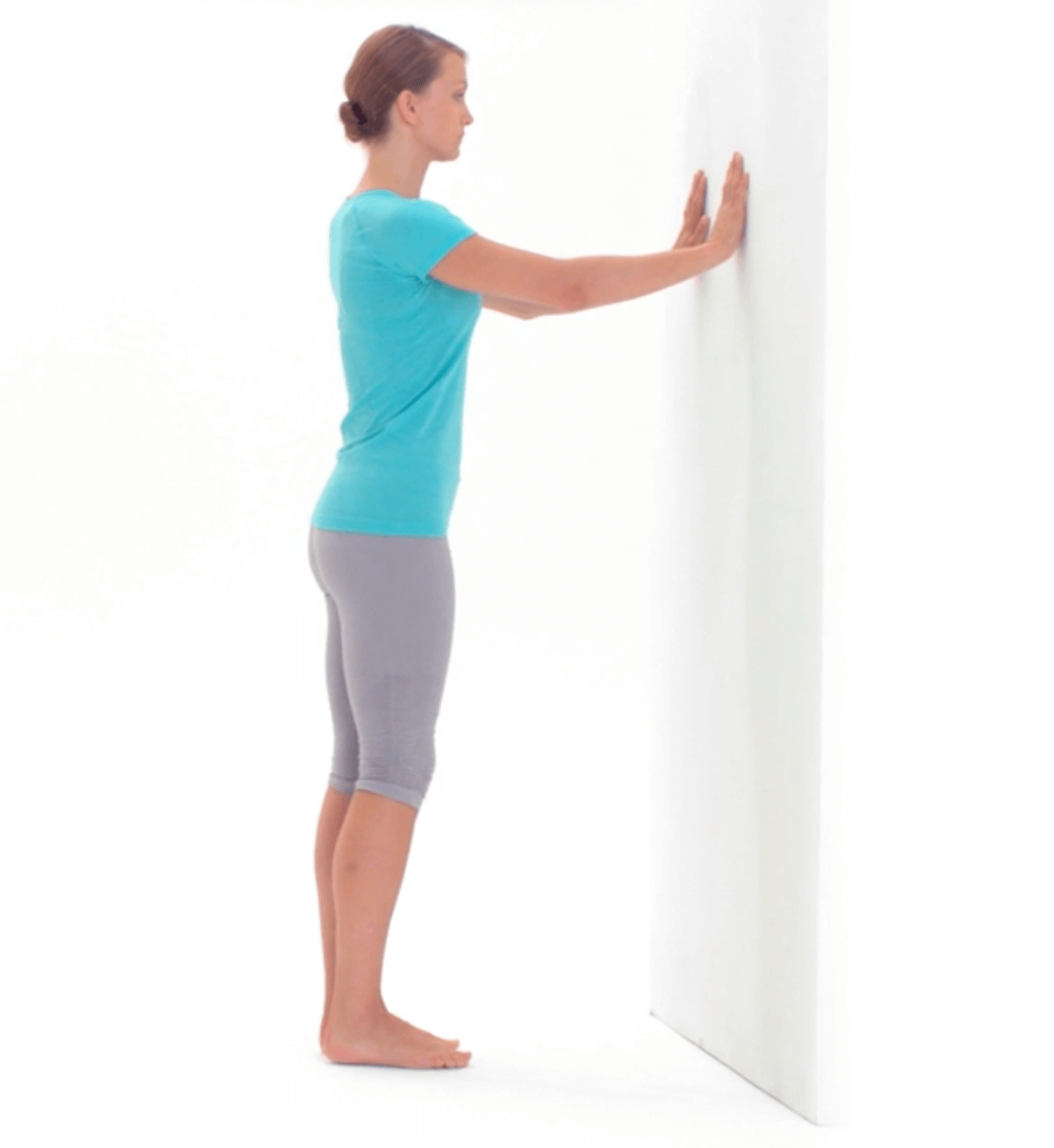
2. How to perform the calf stretch? Follow these instructions:


%20(1).avif)
3. About the calf stretch
- Stretches calves to relieve tension and reduce risk of injury
- Improves range of motion in the lower leg
- Targeted deep tissue work reduces tension and fatigue
- Should be done on both legs for best results
- Hold the stretch for at least 30 seconds for maximum benefit
4. List benefits of calf stretch
Here are some potential benefits of performing this exercise:
- Reduces calf tightness and soreness
- Improves flexibility in the calf muscles
- Helps prevent injuries
- Improves range of motion in the ankle joint
- Enhances circulation in the calf area
5. FAQ on calf stretch


The calf stretch works the muscles of the lower leg, including the gastrocnemius, soleus, tibialis posterior, and plantaris.
To correctly perform the calf stretch, stand facing a wall with your feet shoulder-width apart. Place your hands on the wall at shoulder height. Step one foot back, keeping the heel on the ground and the toes pointing forward. Bend your front knee and press your back heel into the ground. You should feel a stretch in the back of your calf. Hold the stretch for 30 seconds and then switch legs.
The best way to stretch your calves is to do a standing calf stretch. To do this, stand facing a wall with your hands on the wall at shoulder height. Step one foot back, keeping your heel on the ground and your toes pointing forward. Bend your front knee and lean into the wall until you feel a stretch in the calf of your back leg. Hold for 30 seconds, then switch legs and repeat.
The calf stretch has many benefits, including increased flexibility in the calf muscles, improved range of motion in the ankles, improved posture, and reduced risk of injury. Additionally, calf stretches can help reduce pain and discomfort in the lower legs, improve circulation, and reduce fatigue.

