

Step-by step guide to the squat jerk exercise
Maximize effectiveness: Tips for patients and practitioners
Step-by step guide to the squat jerk exercise
Maximize effectiveness: Tips for patients and practitioners

1. Step-by-step video on how to do the squat jerk

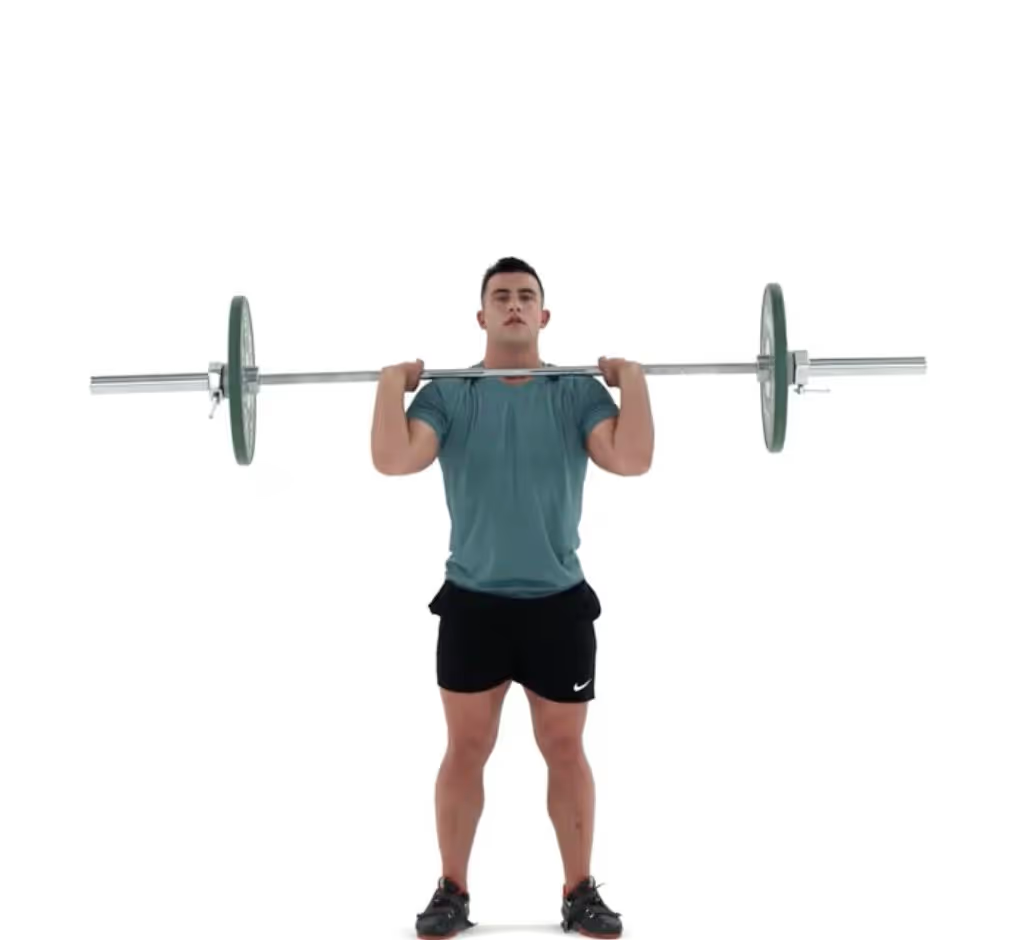
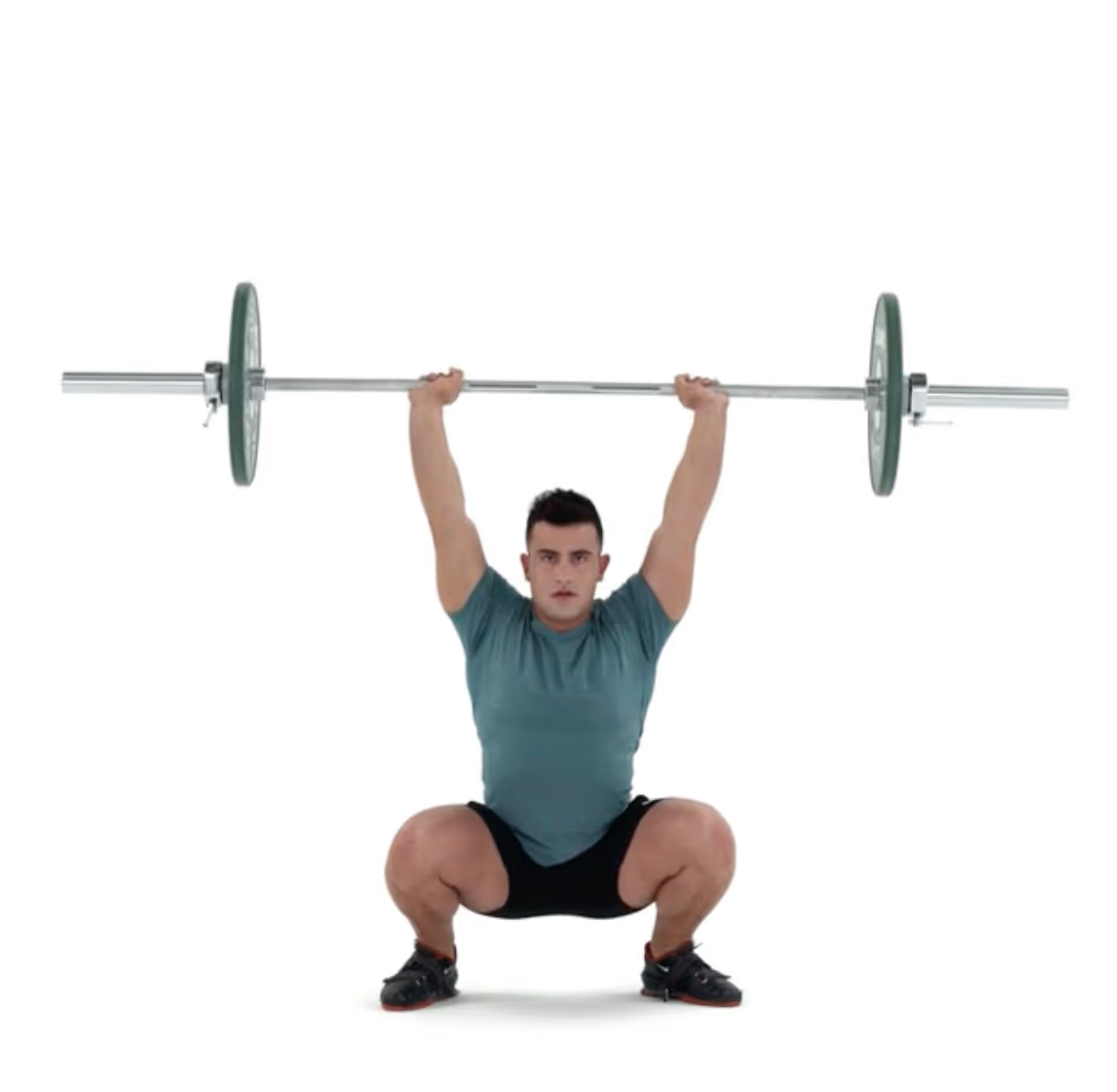
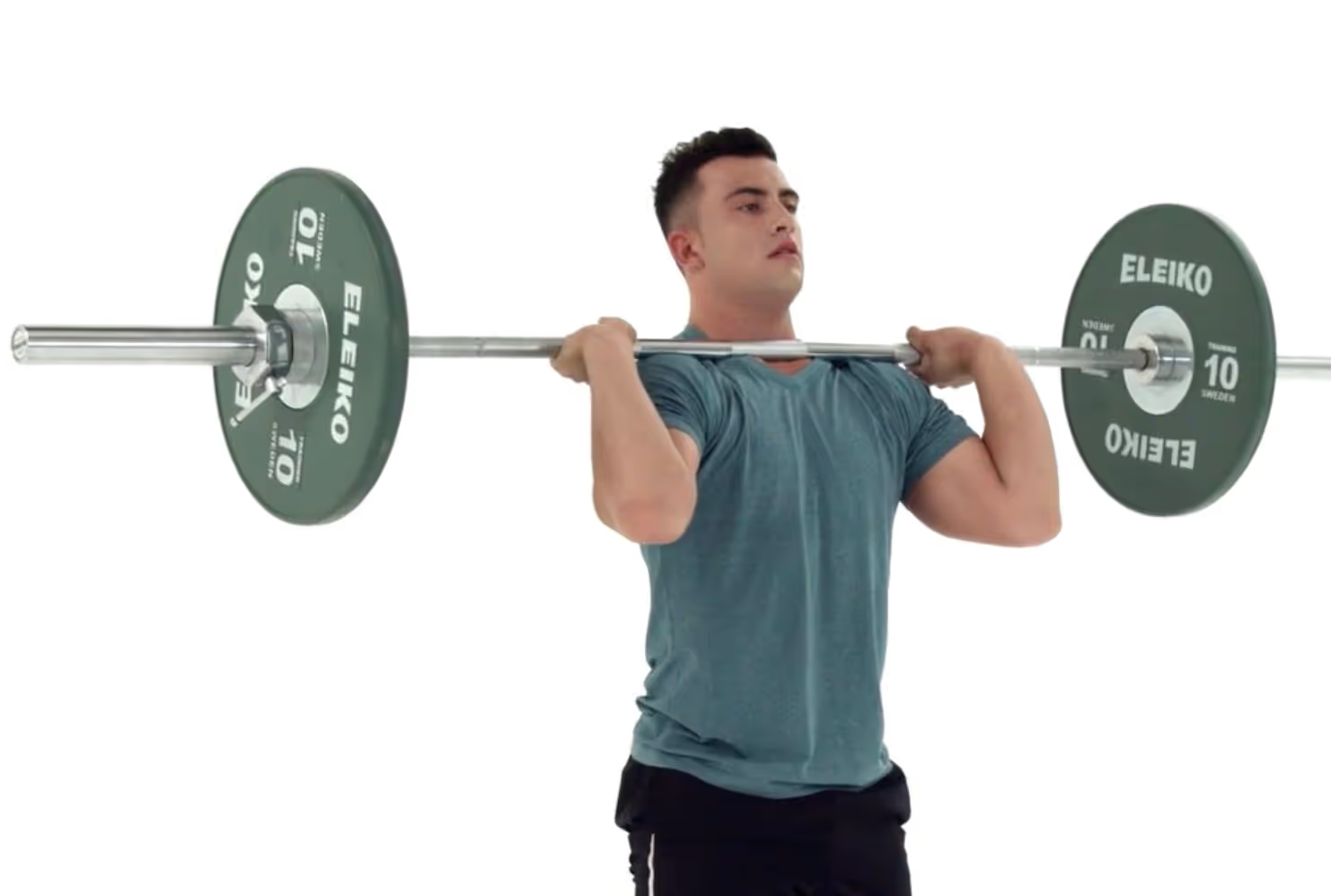
2. How to perform the squat jerk? Follow these instructions:

%20(1).avif)
3. About the squat jerk
- It is a dynamic weightlifting exercise that works multiple muscle groups simultaneously
- It requires explosive power, coordination and balance
- Significant force is generated when the shoulders and legs drive the weight up
- It increases strength and power in the hips and legs
- Proper form must be used to increase the effectiveness of the exercise and reduce the risk of injury
4. List benefits of squat jerk
Here are some potential benefits of performing this exercise:
- Builds core strength
- Improves coordination and balance
- Develops muscular endurance
- Increases power and explosiveness
- Improves posture and hip mobility
5. FAQ on squat jerk


The correct form for a squat jerk is to start in a standing position with feet slightly wider than shoulder-width apart. The barbell should be held in front of the body with arms straight and hands slightly wider than shoulder-width apart. Keeping the back straight, squat down until the thighs are parallel to the floor. From the bottom of the squat, explosively extend the hips, knees, and ankles while pushing the barbell overhead. Finish with the arms locked out and feet in the same starting position.
A squat jerk is a type of jerk in which the lifter drops into a full squat position before driving the barbell overhead. A power jerk is a type of jerk in which the lifter begins with a dip and drive motion, but does not drop into a full squat position before driving the barbell overhead.
The amount of weight you should use for a squat jerk will depend on your fitness level and strength. Beginners should start with a light weight and work their way up as they become more comfortable with the exercise. As a general rule, you should use a weight that is challenging but still allows you to maintain proper form.
The best way to increase your squat jerk strength is to focus on improving your technique, build your core and leg strength, and practice the lift regularly. Make sure to focus on form and technique first and foremost. Additionally, incorporating accessory exercises such as squats, deadlifts, and other leg exercises can help build the necessary strength to perform a successful squat jerk. Lastly, practice the movement regularly to build strength, power, and confidence.

