

Step-by step guide to the knee rolling exercise
Maximize effectiveness: Tips for patients and practitioners
Step-by step guide to the knee rolling exercise
Maximize effectiveness: Tips for patients and practitioners

1. Step-by-step video on how to do the knee rolling

2. How to perform the knee rolling? Follow these instructions:
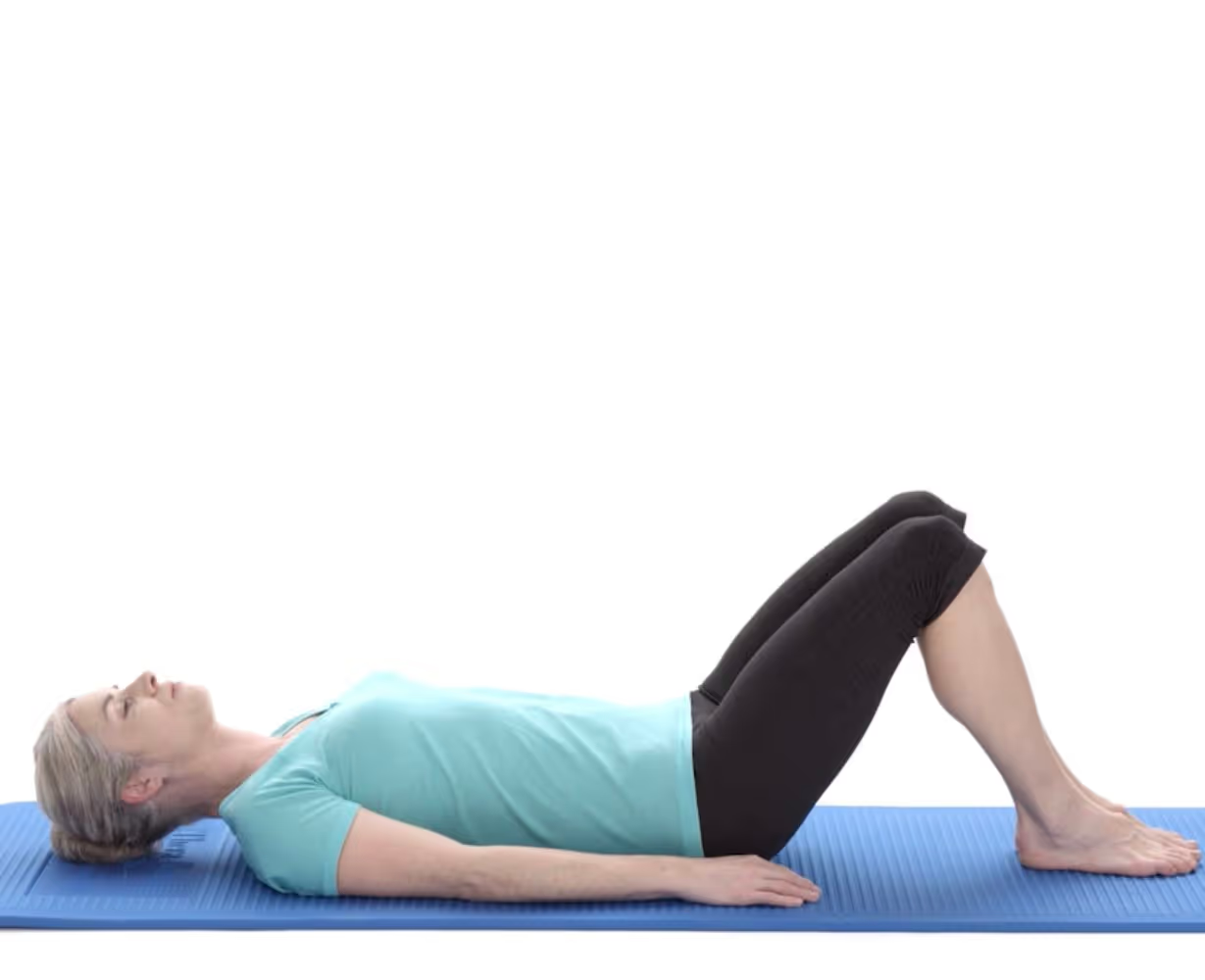
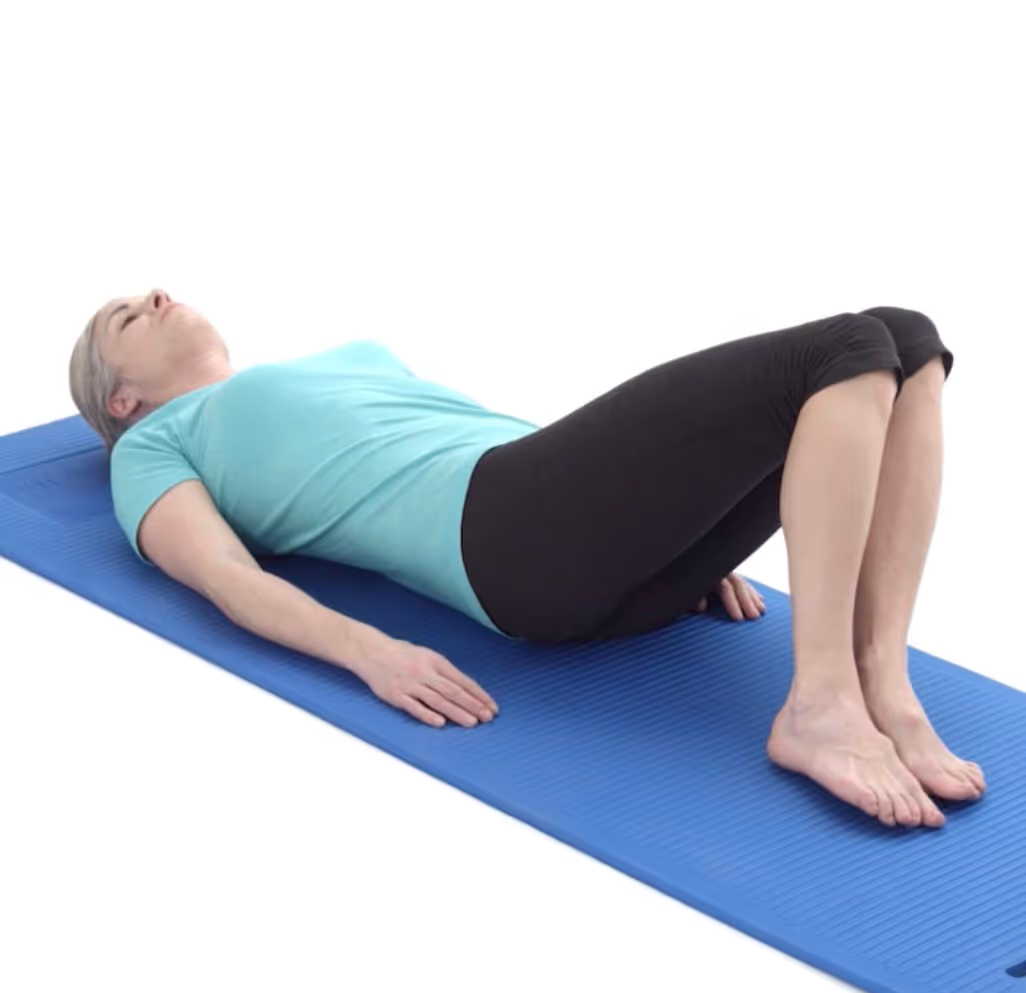
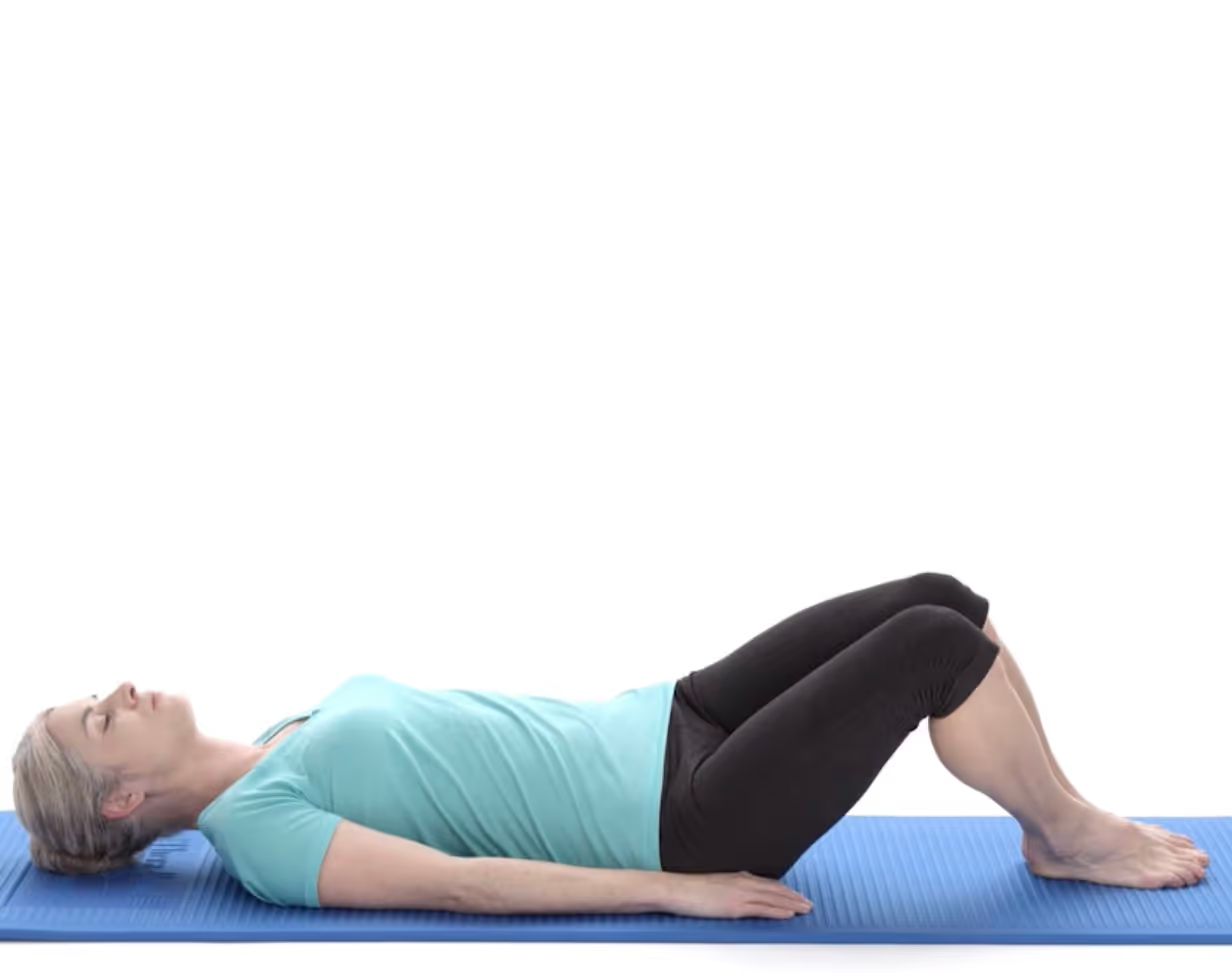

%20(1).avif)
3. About the knee rolling
- Strengthen the knees and thighs
- Improve knee and hip flexibility
- Reduce the risk of knee injuries
- Improve posture and balance
- Increase core strength
4. List benefits of knee rolling
Here are some potential benefits of performing this exercise:
- Improves knee flexion and extension
- Strengthens supporting muscles around the knee
- Reduces inflammation in the knee joint
- Helps to minimize risk of injury to the knee
- Improves balance and coordination
5. FAQ on knee rolling


Knee rolling should be done at least once a day, preferably before and after exercise. It is also beneficial to do knee rolling several times throughout the day to keep the muscles and joints in the knee area loose and flexible.
The correct form for knee rolling is to start by lying on your back with your knees bent and feet flat on the floor. Then, slowly roll your knees to one side of your body and hold for a few seconds. Return to the starting position and repeat on the other side. Be sure to keep your back flat on the floor and your core engaged throughout the exercise.
The best type of surface to use for knee rolling is a firm surface, such as a yoga mat or a carpeted floor. Make sure the surface is comfortable and supportive, and that it is not too slippery.
The best way to warm up before knee rolling is to do some dynamic stretching and light aerobic activity. This will help to increase blood flow and flexibility in the muscles and joints around the knee, and will help to reduce the risk of injury.

