

Step-by step guide to the heel taps exercise
Maximize effectiveness: Tips for patients and practitioners
Step-by step guide to the heel taps exercise
Maximize effectiveness: Tips for patients and practitioners

1. Step-by-step video on how to do the heel taps

2. How to perform the heel taps? Follow these instructions:
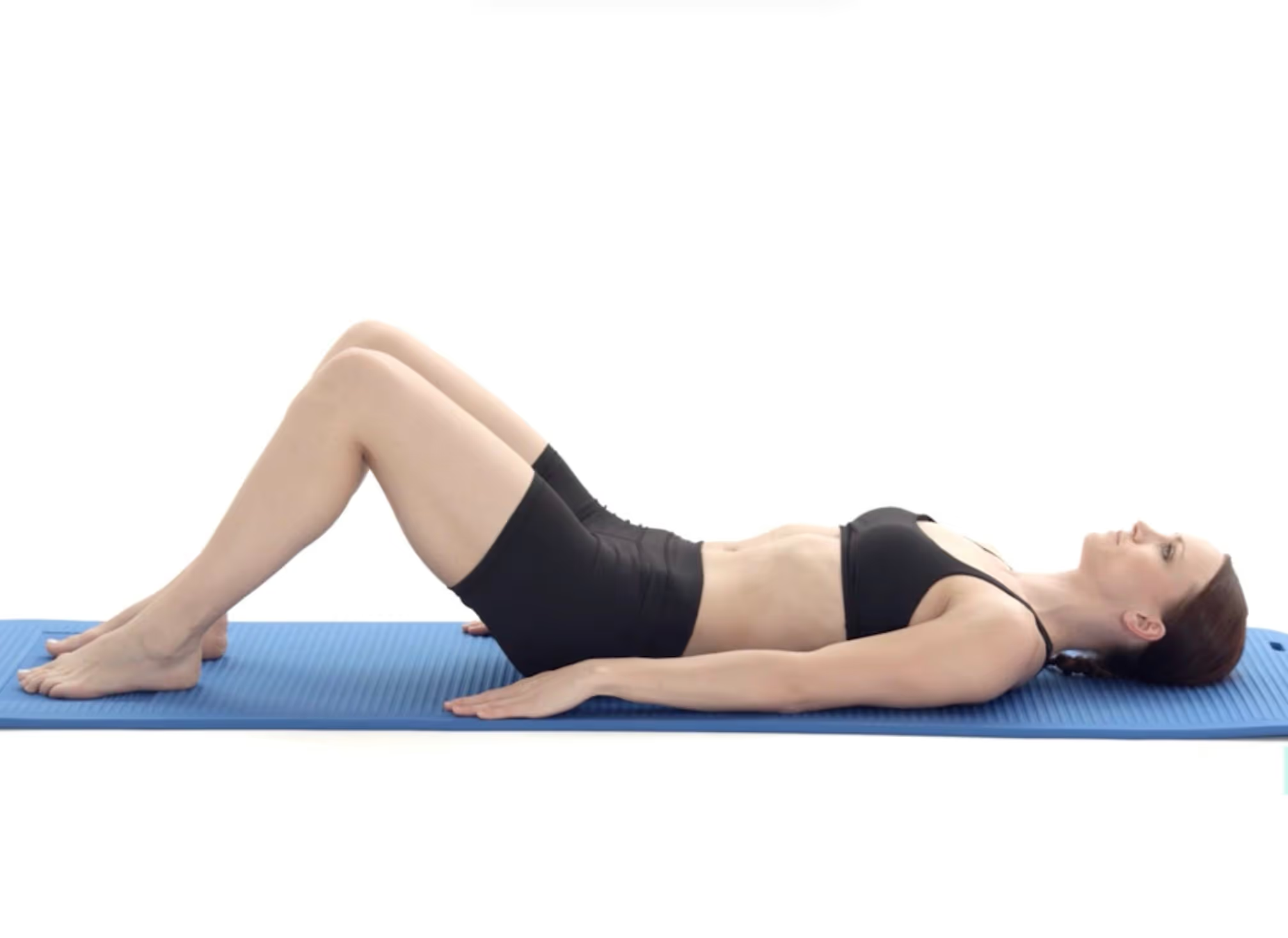
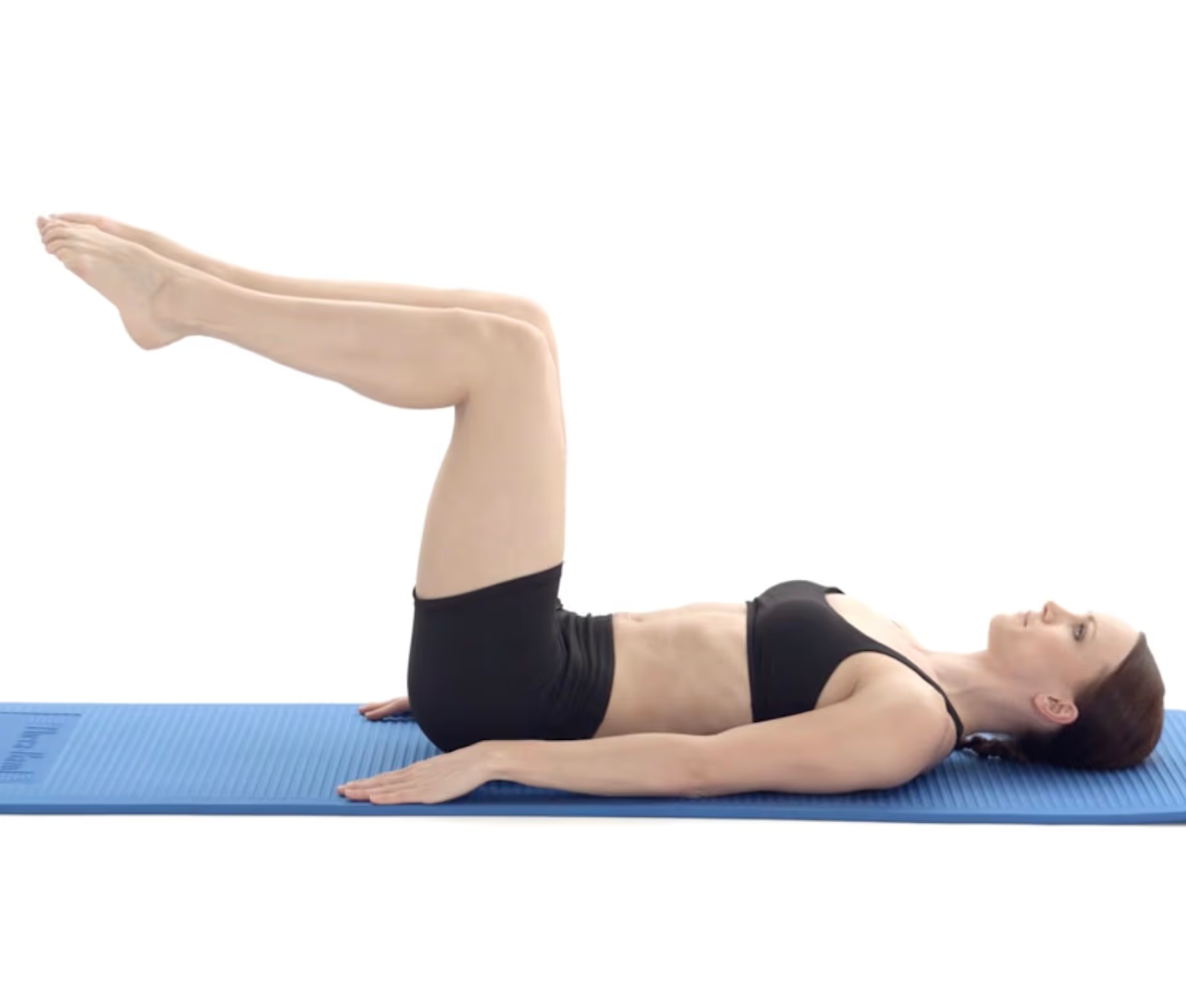


%20(1).avif)
3. About the heel taps
- Involves using your heel to lightly tap the floor repeatedly
- Helps to build strength and stability in your ankles and lower legs
- Can be done in a variety of different positions such as standing, on hands and knees, or seated
- Start with a slow pace and gradually increase the number of taps
4. List benefits of heel taps
Here are some potential benefits of performing this exercise:
- Improved balance and coordination.
- Strengthens calf muscles.
- Enhances ankle stability.
- Improves flexibility in the feet and ankles.
- Enhances leg strength and endurance.
5. FAQ on heel taps


Heel taps target the muscles in the lower body, including the glutes, hamstrings, and calves.
Heel taps should be done at least twice a week, but ideally every day. Doing heel taps regularly will help strengthen the muscles in your feet, ankles, and calves, which can help improve your balance and posture.
Heel taps provide a variety of benefits, including improved balance, increased stability, improved posture, improved coordination, increased agility, and improved strength in the lower body. Heel taps also help to increase the range of motion in the ankles, which can be beneficial for athletes who need to perform quick, explosive movements. Additionally, heel taps can help to reduce the risk of injury by strengthening the muscles and tendons in the lower body.

