

Step-by step guide to the box squat exercise
Maximize effectiveness: Tips for patients and practitioners
Step-by step guide to the box squat exercise
Maximize effectiveness: Tips for patients and practitioners

1. Step-by-step video on how to do the box squat exercise

2. How to perform the box squat exercise? Follow these instructions:
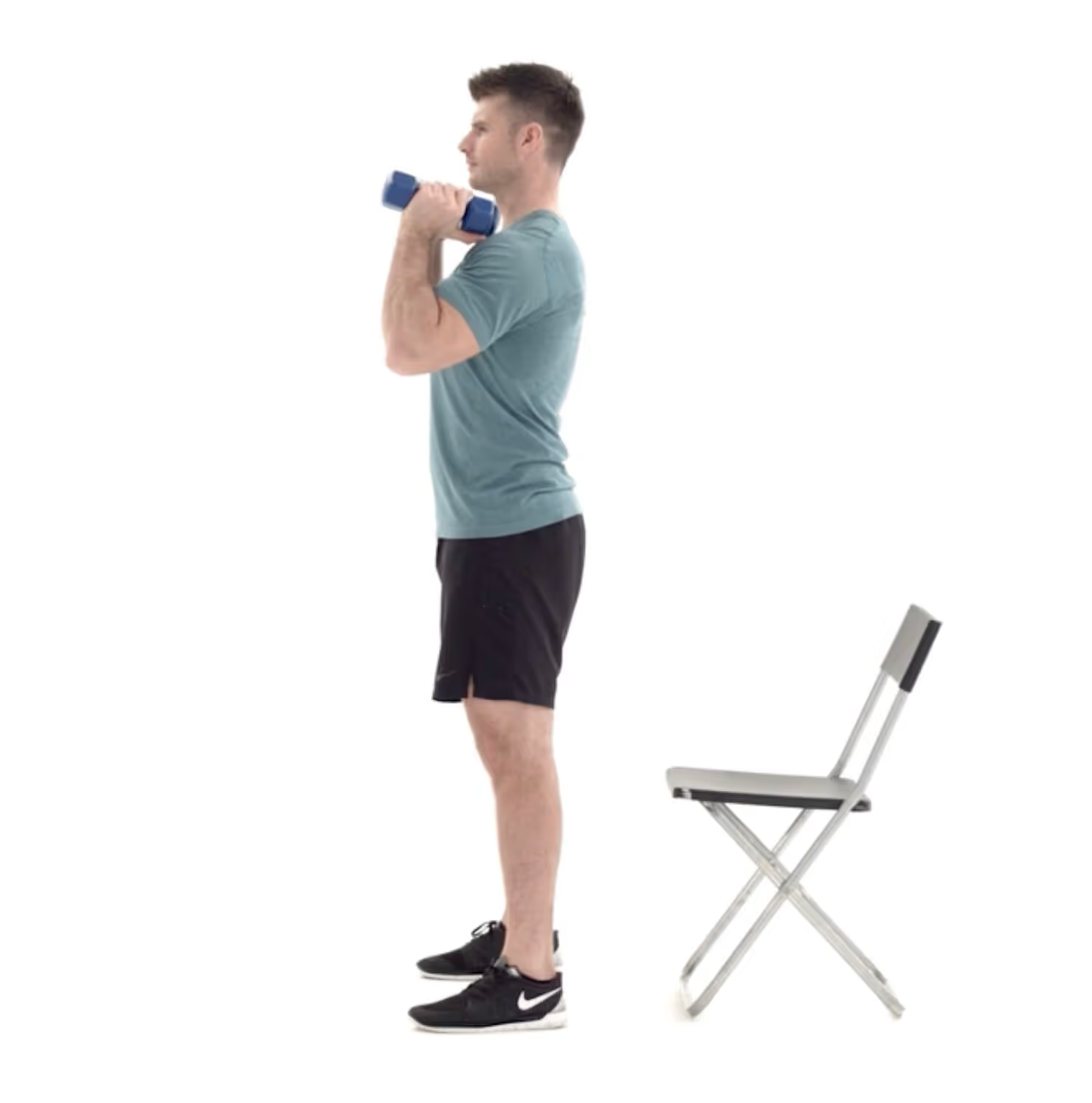
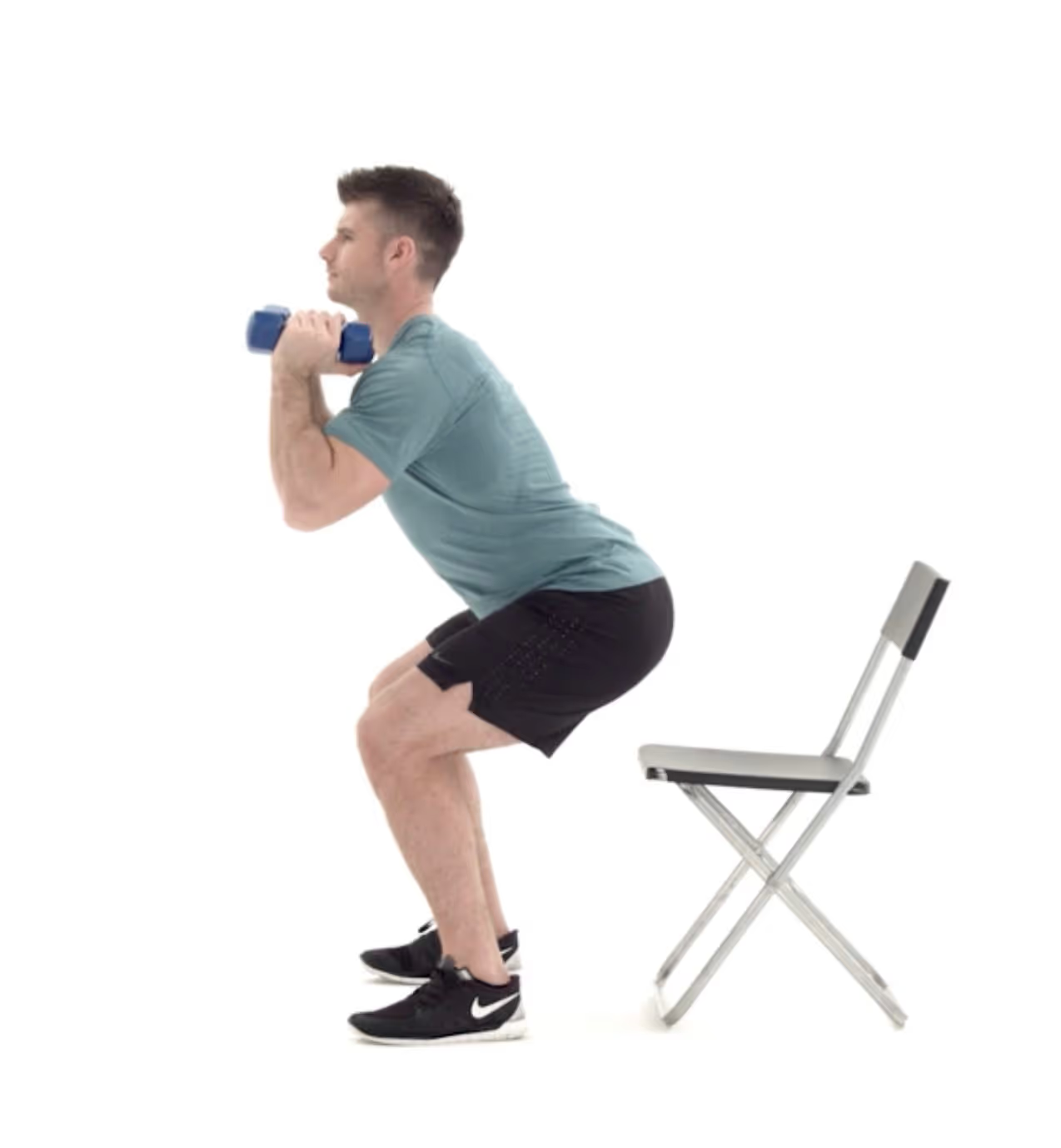
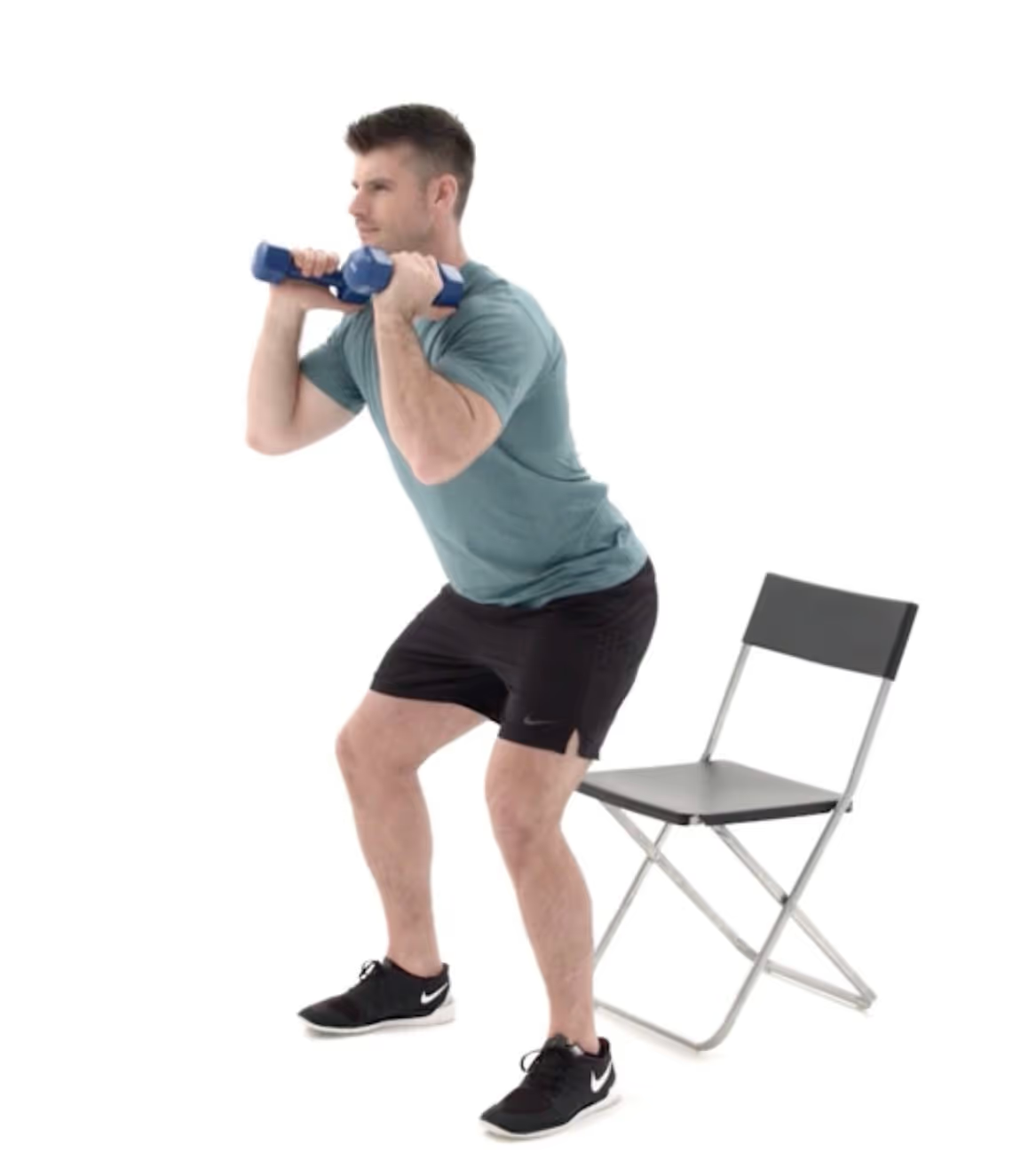

%20(1).avif)
3. About the box squat exercise
- Box Squat is a dynamic plyometric exercise that strengthens the lower body.
- The box squat increases lower-body strength, power, balance, and coordination.
- The box squat is an exercise that increases muscle strength, power, and agility.
4. List benefits of box squat exercise
Here are some potential benefits of performing this exercise:
- Increased muscle activation - The box squat creates a unique training stimulus and can help to increase muscular activation making it a suitable exercise for both athletes and bodybuilders.
- Proper form and technique - The box squat can help to ensure the user maintains proper form. The lower the box is set, the more emphasis is placed on proper form, which helps to recruit more muscle fibers.
- Increased range of motion - The box squat forces the lifter to perform a full range of motion, as the user must be able to sit back and touch the box with their glutes. This helps to ensure the user is able to effectively recruit more muscle fibers while working through a larger range of motion.
5. FAQ on box squat exercise


The box squat works the quads, glutes, hamstrings, and core muscles. It also works the calves and hip flexors to a lesser degree.
The correct form for box squat is to start by standing in front of the box with your feet slightly wider than shoulder-width apart. Bend your knees and lower your hips until your thighs are parallel to the floor.
It is recommended to perform box squat two to three times a week. Make sure to take at least one day of rest in between each session.
The benefits of box squat include increased power, improved coordination and balance, increased lower body strength and explosiveness, and improved core stability. Additionally, box squat can help to improve your overall athleticism, as well as help to reduce the risk of injury.

