

Step-by step guide to the ankling meaning exercise
Maximize effectiveness: Tips for patients and practitioners
Step-by step guide to the ankling meaning exercise
Maximize effectiveness: Tips for patients and practitioners

1. Step-by-step video on how to do the ankling meaning

2. How to perform the ankling meaning? Follow these instructions:
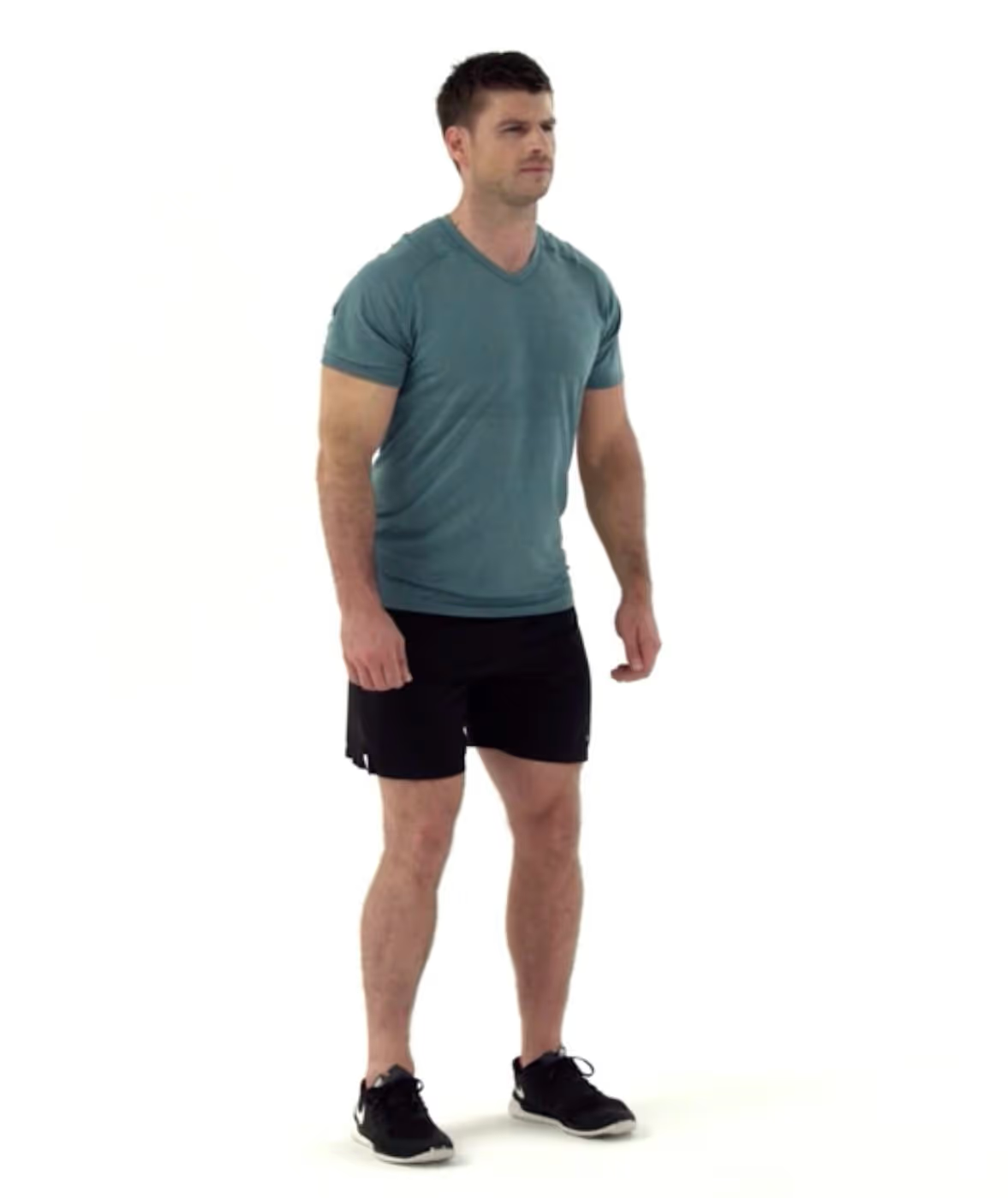
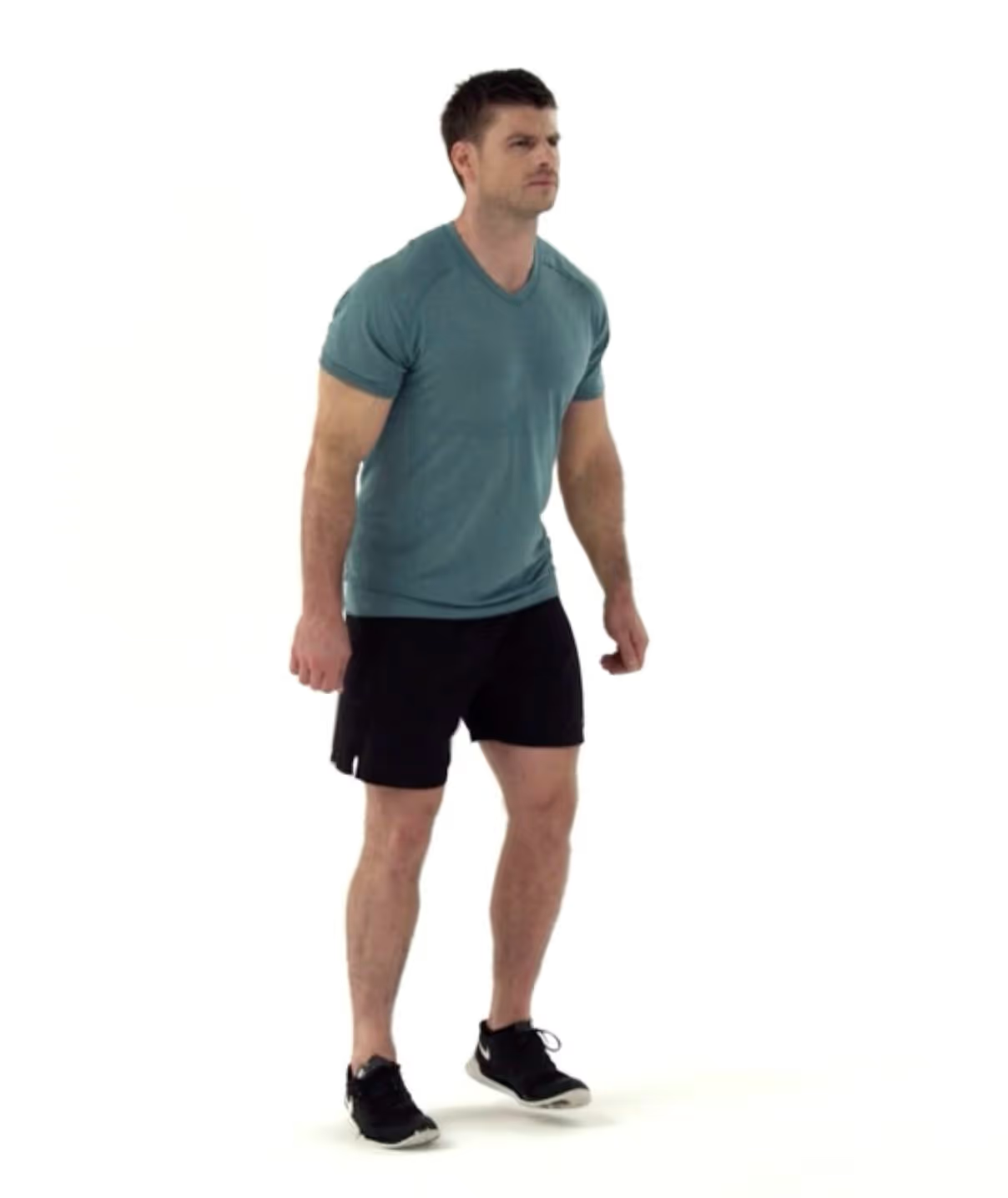
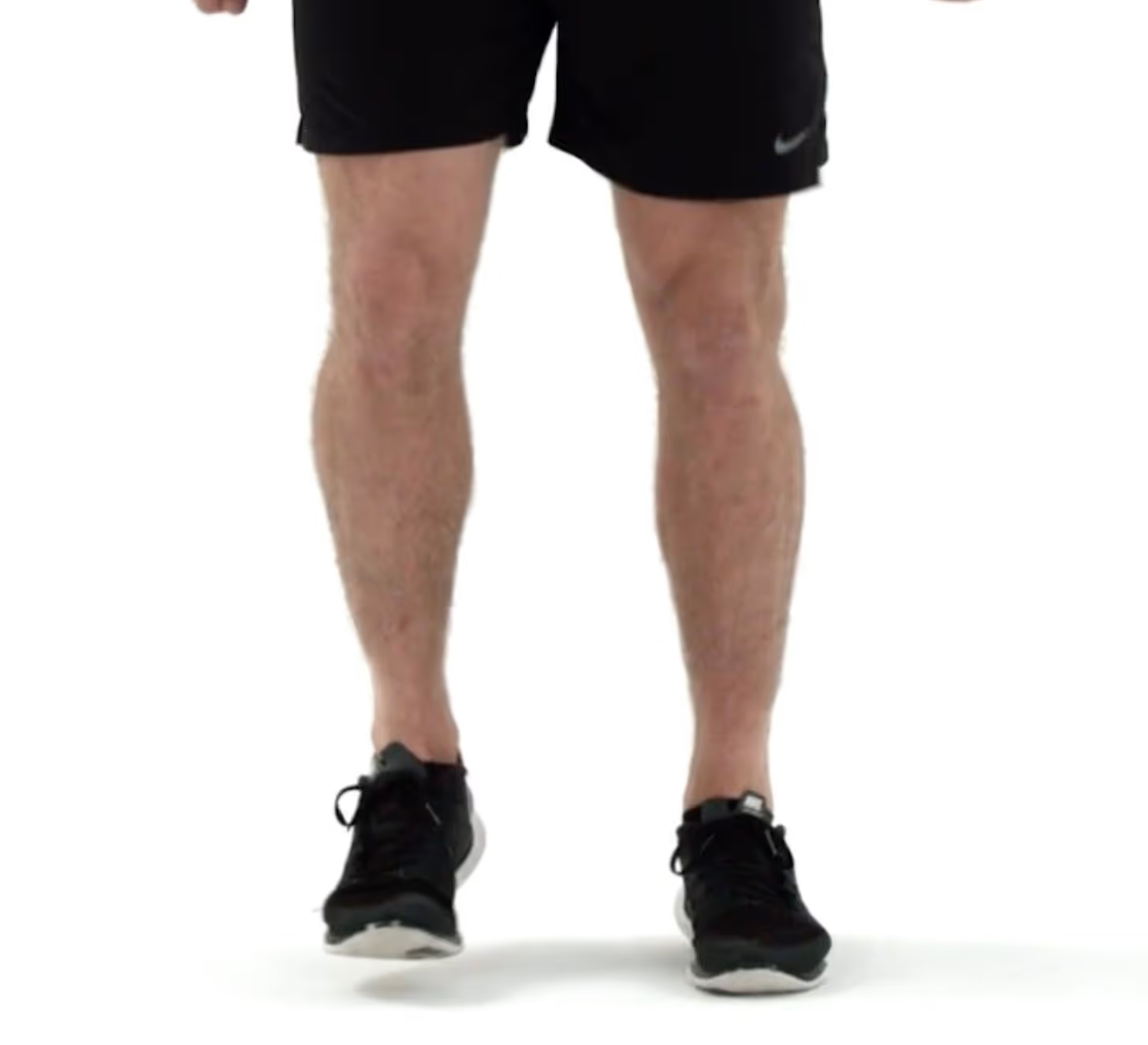

%20(1).avif)
3. About the ankling meaning
- Ankling is a specific form of walking designed to increase strength, stability, and power in the lower body.
- It involves a combination of faster and slower speeds of walking with a greater focus on the knee and hip joint motion.
- The exercise should be performed in the proper form in order to prevent any potential injury.
- Ankling can help improve the explosiveness of movement and can be beneficial in sports activities, such as running and jumping.
4. List benefits of ankling meaning
Here are some potential benefits of performing this exercise:
- Improved ankle strength and stability
- Improved coordination and agility
- Increased range of motion in the ankle
- Improved proprioception
- Reduced risk of ankle injuries and pain
5. FAQ on ankling meaning


Ankling is a running technique that involves pushing off with the toes and balls of the feet. The primary muscles used when ankling are the gastrocnemius, soleus, tibialis anterior, and peroneal muscles. These muscles help to extend the ankle joint, which is necessary for the ankling technique.
Ankling is a walking technique that helps to increase the efficiency of movement and reduce the amount of energy used. The benefits of ankling include improved posture, increased stride length, increased speed, and improved cardiovascular efficiency. Additionally, ankling can help to reduce the risk of injury due to its low-impact nature.
Ankling is a running technique that involves pushing off the ground with the toes and ankles rather than the heel. The correct technique for ankling is to keep the feet and ankles relaxed and to focus on pushing off the ground with the toes. The foot should be kept flat on the ground, and the ankle should be slightly bent. The push should come from the toes and the ankle, rather than the heel. The arms should be kept relaxed and pumping in a natural rhythm.
It is recommended that you practice ankling at least three times a week. However, the frequency and duration of your practice sessions will depend on your individual goals and level of fitness. If you are just starting out, it is best to start with shorter practice sessions and gradually increase the duration and intensity as you become more comfortable with the technique.

