

Step-by step guide to the radial nerve glide exercise
Maximize effectiveness: Tips for patients and practitioners
Step-by step guide to the radial nerve glide exercise
Maximize effectiveness: Tips for patients and practitioners

1. Step-by-step video on how to do the radial nerve glide

2. How to perform the radial nerve glide? Follow these instructions:
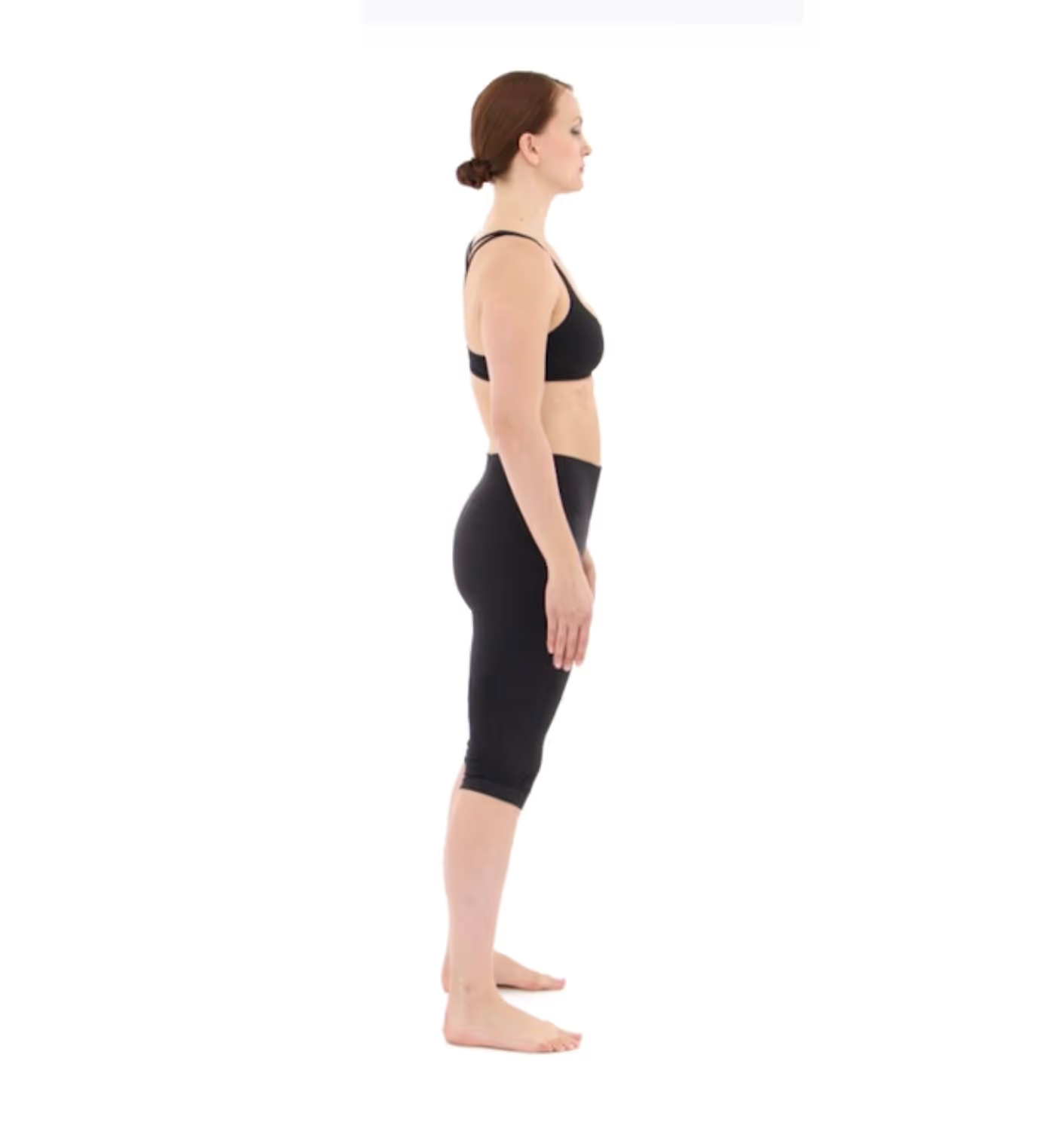
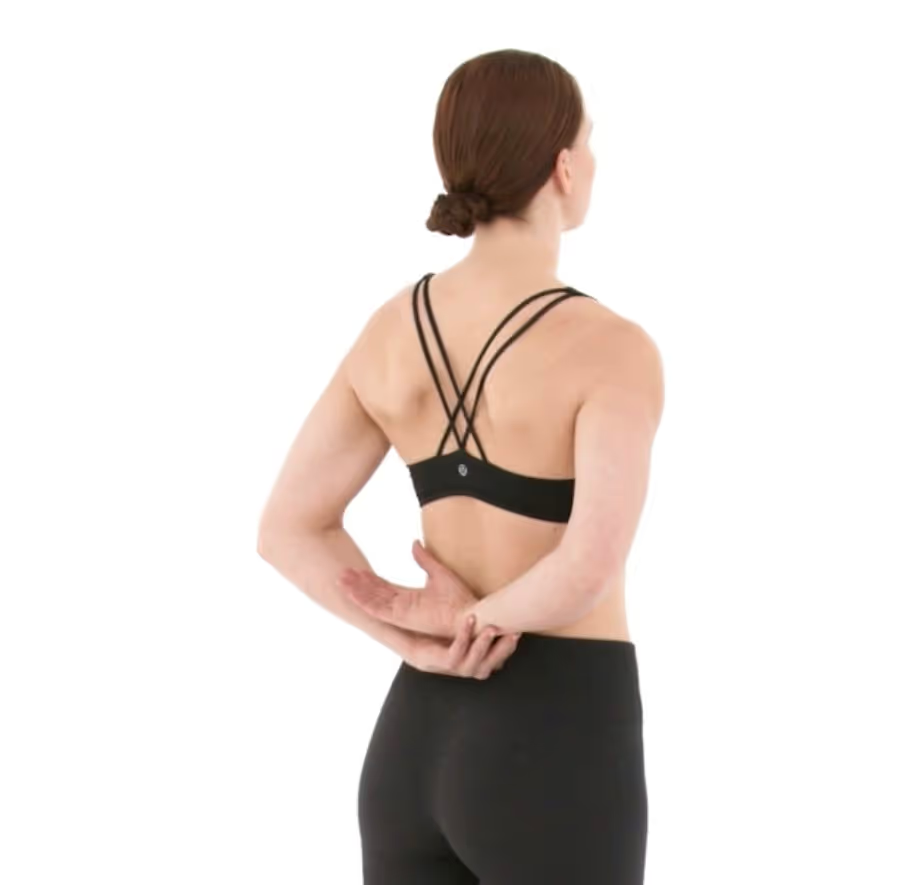


%20(1).avif)
3. About the radial nerve glide
- Strengthens and elongates the superficial radial nerve.
- Combats nerve entrapment commonly caused by injury.
- Used to reduce pain associated with radial nerve entrapment.
- Helps improve the function of the muscles and nerves of the forearm and hand.
- Can help with loss of sensation or tingling in the fingers.
4. List benefits of radial nerve glide
Here are some potential benefits of performing this exercise:
- Improved sensation in the hand and fingers
- Reduction in pain related to radial nerve entrapment
- Increased ability to complete activities of daily living
- Improved coordination of movements when using the hand and arm
- Improved overall strength of the affected arm
5. FAQ on radial nerve glide


A radial nerve glide is an exercise that is used to help improve the mobility of the radial nerve. It is typically used to help relieve pain and discomfort associated with radial nerve entrapment or compression. The exercise involves moving the arm in a circular motion while keeping the elbow bent and the palm facing up. This helps to stretch the nerve and improve its mobility.
The radial nerve glide targets muscles in the back of the arm, including the triceps brachii, anconeus, and brachioradialis. It also targets muscles in the forearm, including the extensor carpi radialis longus and brevis, and the extensor digitorum.
The benefits of performing a radial nerve glide include reduced pain and improved mobility in the arm, wrist, and hand. It can also help improve circulation and reduce inflammation in the affected area. Additionally, it can help improve range of motion and flexibility in the affected area.

