

Step-by step guide to the labyrinthine reflex exercise
Maximize effectiveness: Tips for patients and practitioners
Step-by step guide to the labyrinthine reflex exercise
Maximize effectiveness: Tips for patients and practitioners

1. Step-by-step video on how to do the labyrinthine reflex

2. How to perform the labyrinthine reflex? Follow these instructions:
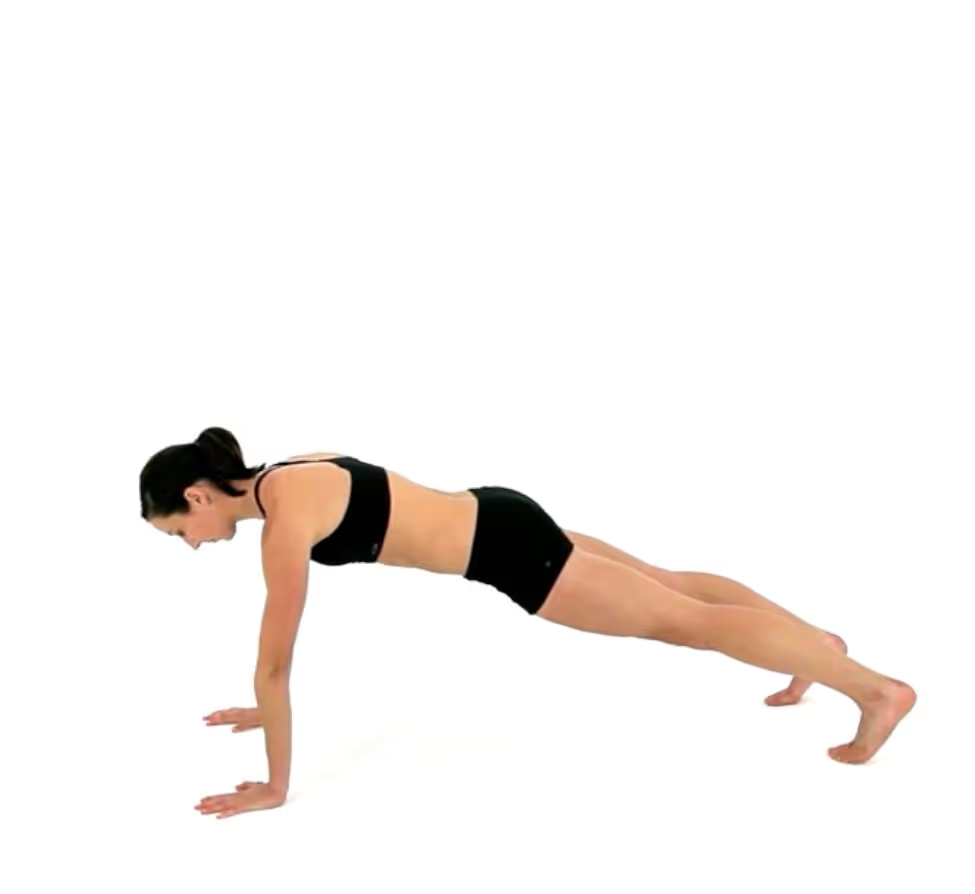
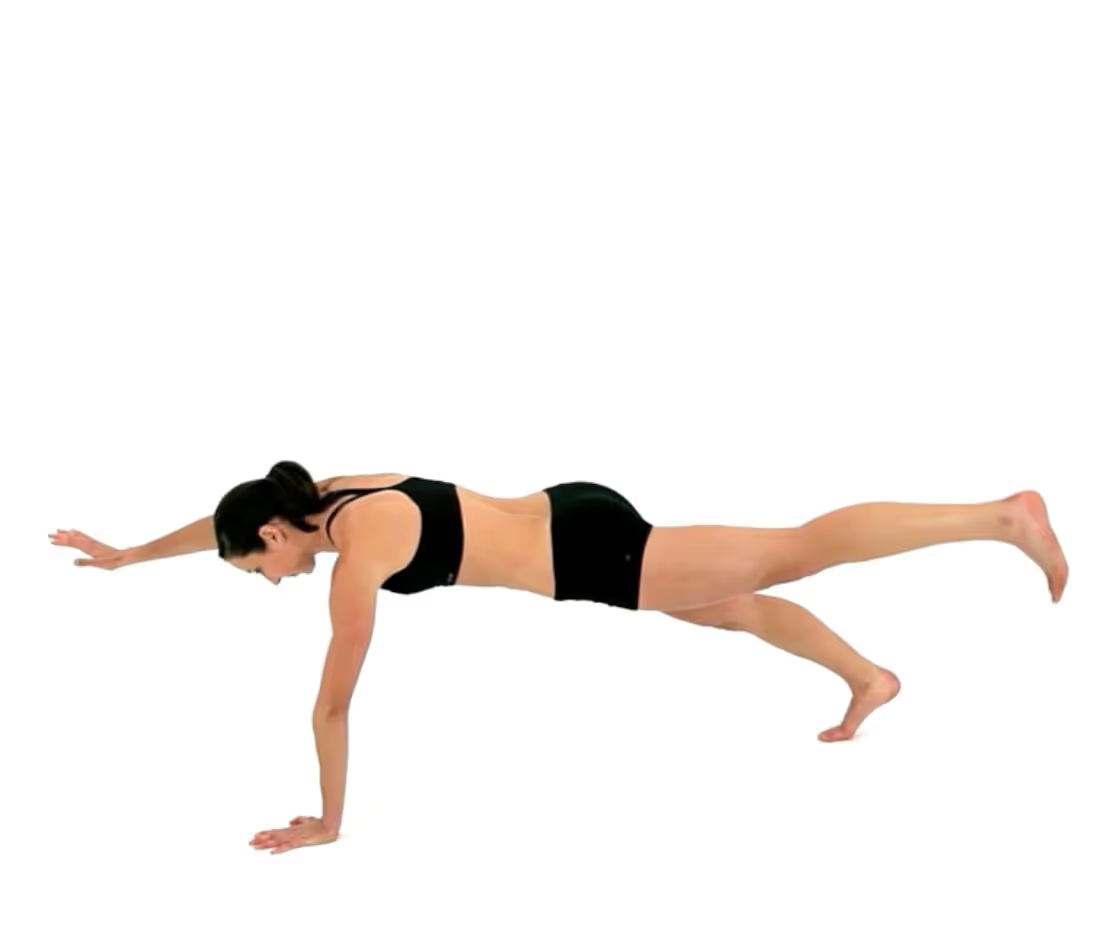
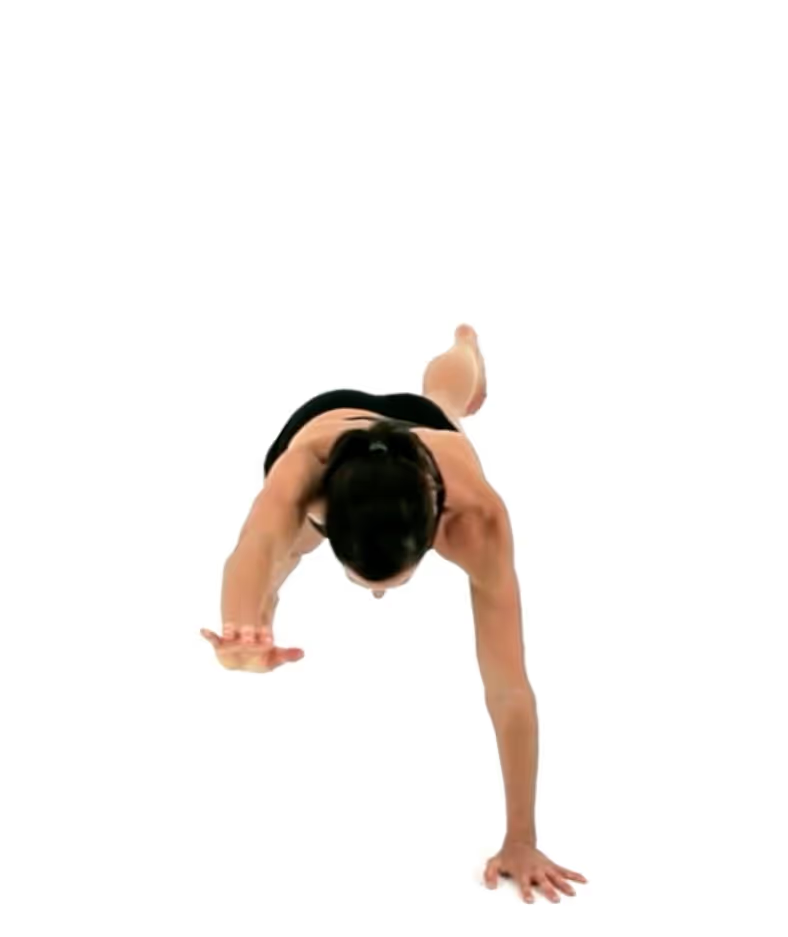

%20(1).avif)
3. About the labyrinthine reflex
- Labyrinthine Reflexes help the body adapt to balance challenges
- Exercises are used to restore muscle memory and flexibility
- You can develop coordination, balance, strength and posture
- You can perform exercises using weights, medicine balls or body weight
4. List benefits of labyrinthine reflex
Here are some potential benefits of performing this exercise:
- Improved coordination and balance
- Increased physical strength
- Improved body awareness
- Increased mental focus
- Improved focus on breath and breath control
5. FAQ on labyrinthine reflex


The labyrinthine reflex involves the contraction of the extraocular muscles, the sternocleidomastoid muscle, the tensor tympani muscle, and the tensor veli palatini muscle.
The labyrinthine reflex should be practiced as often as possible, preferably at least once a day. It is important to practice regularly to ensure the reflex is properly integrated into the body's motor system.
The labyrinthine reflex is a reflex that helps maintain balance and orientation in the body. It is a reflex that is triggered when the head is moved or tilted in a certain direction. The benefits of the labyrinthine reflex include improved balance and coordination, better posture, and improved spatial awareness. Additionally, the labyrinthine reflex can help reduce the risk of falls, dizziness, and vertigo.
It depends on the individual and how much time and effort they are willing to put into mastering the labyrinthine reflex. Generally, it can take anywhere from a few weeks to several months to become proficient in this reflex.

