

Step-by step guide to the kettlebell side bend exercise
Maximize effectiveness: Tips for patients and practitioners
Step-by step guide to the kettlebell side bend exercise
Maximize effectiveness: Tips for patients and practitioners

1. Step-by-step video on how to do the kettlebell side bend

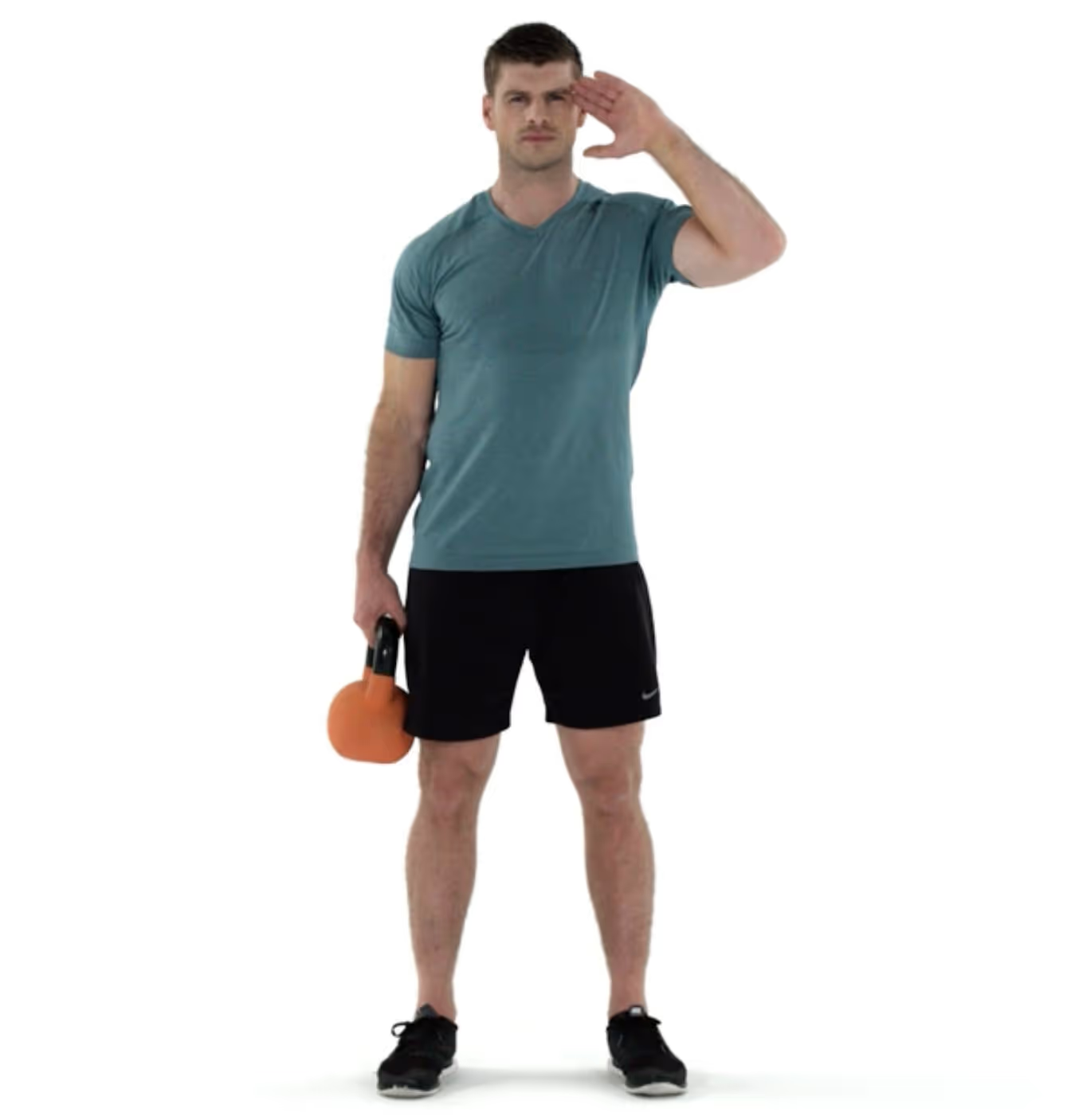
2. How to perform the kettlebell side bend? Follow these instructions:



%20(1).avif)
3. About the kettlebell side bend
- Targets the obliques and muscles in the midsection for toning
- Use a weight that is comfortable for your current fitness level
- Start from a standing position with weight held in one hand
- Bend from the waist keeping the back straight
- Move as far as you can go each side but keep breathing throughout
4. List benefits of kettlebell side bend
Here are some potential benefits of performing this exercise:
- Improved core stability and strength
- Improved balance and coordination
- Increased flexibility and mobility in the spine and lower back
- Increased fat burning and calorie expenditure
- Improved posture and spinal alignment
5. FAQ on kettlebell side bend


The frequency of kettlebell side bends will depend on your fitness level and goals. Generally, it is recommended to do kettlebell side bends 2-3 times a week as part of a regular strength training routine. Make sure to rest for at least 48 hours between each session to allow your muscles to recover.
The correct form for the kettlebell side bend is to stand with your feet shoulder-width apart, holding a kettlebell in one hand. Bend your torso to the side, keeping your back straight and your hips facing forward. As you bend, lower the kettlebell down to your side. Return to the starting position and repeat on the opposite side.
The best weight to use for the kettlebell side bend depends on your fitness level and goals. Generally, you should start with a lighter weight and gradually increase the weight as you become more comfortable with the exercise. Beginners should start with a weight of 8-12 lbs, while more advanced exercisers can use a weight of 16-20 lbs.
Yes, the kettlebell side bend is generally safe for your back if you use proper form and technique. To ensure your safety, make sure to keep your back straight and your core engaged throughout the exercise. Additionally, it is important to only use a weight that is appropriate for your strength level.

