

Step-by step guide to the high row cable exercise
Maximize effectiveness: Tips for patients and practitioners
Step-by step guide to the high row cable exercise
Maximize effectiveness: Tips for patients and practitioners

1. Step-by-step video on how to do the high row cable

2. How to perform the high row cable? Follow these instructions:
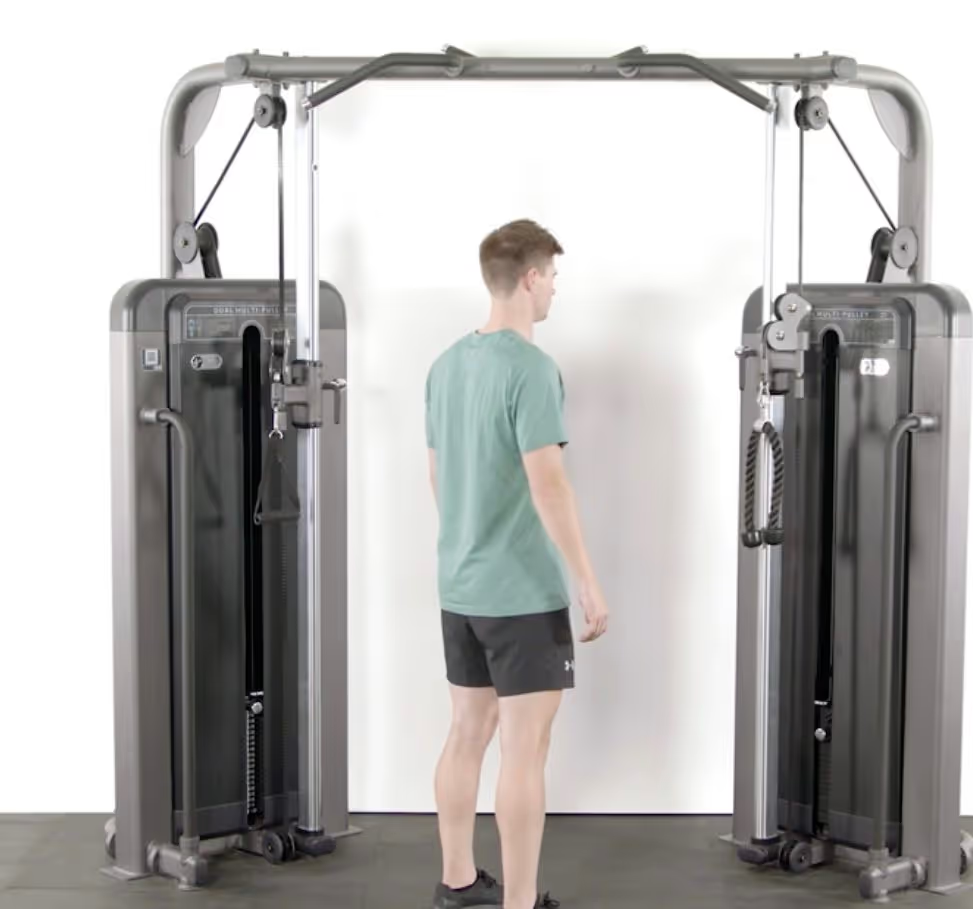
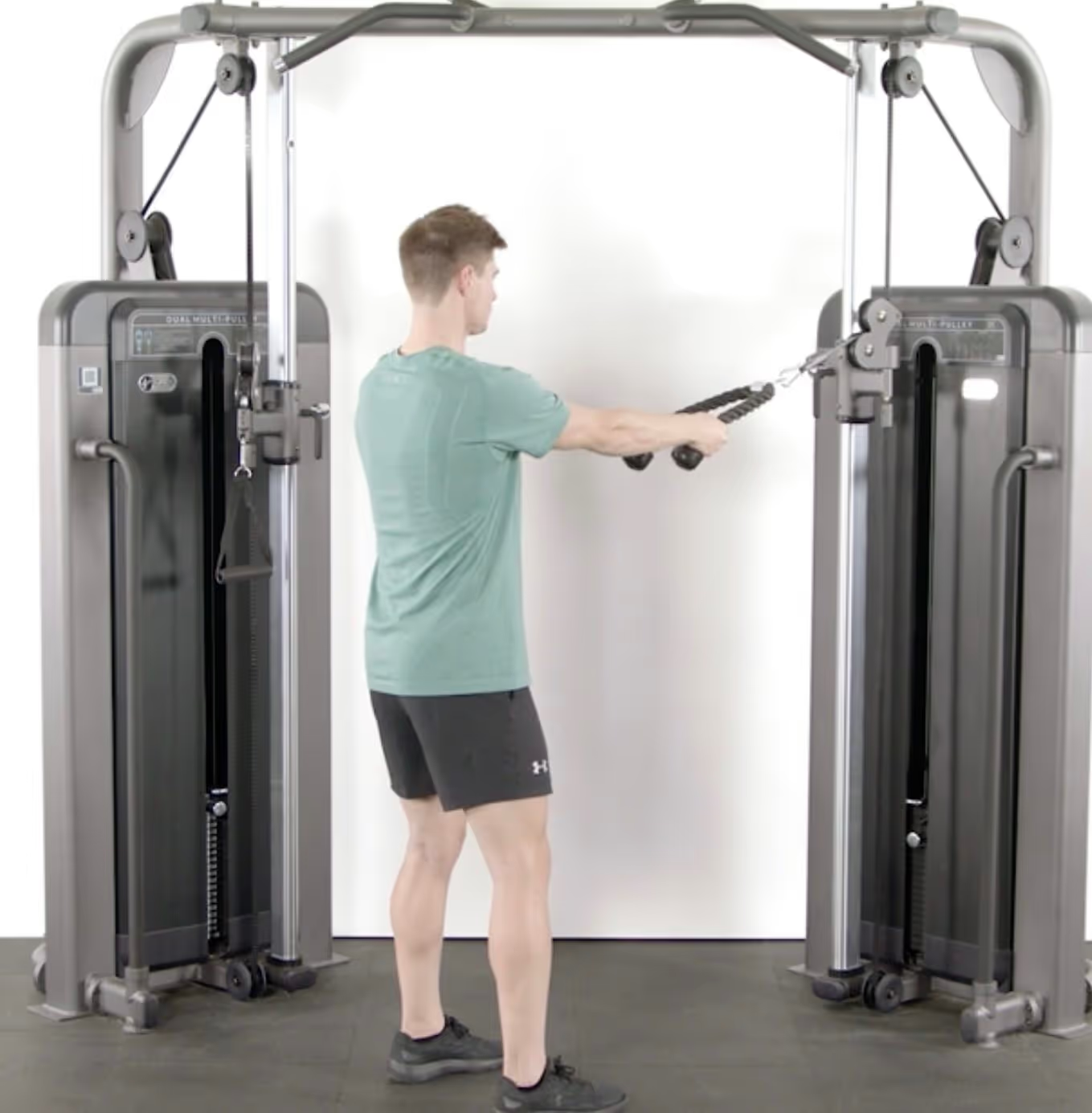
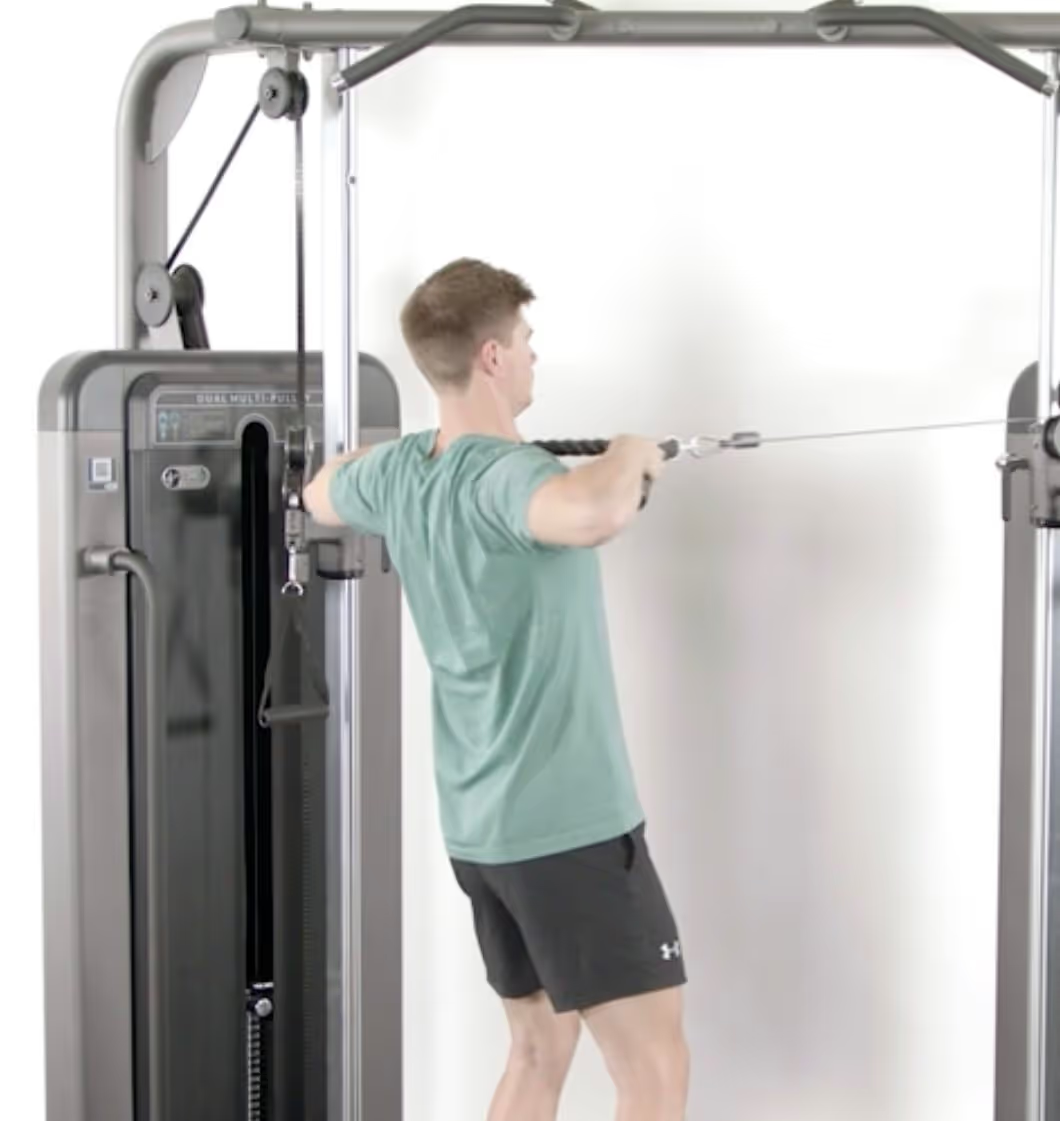
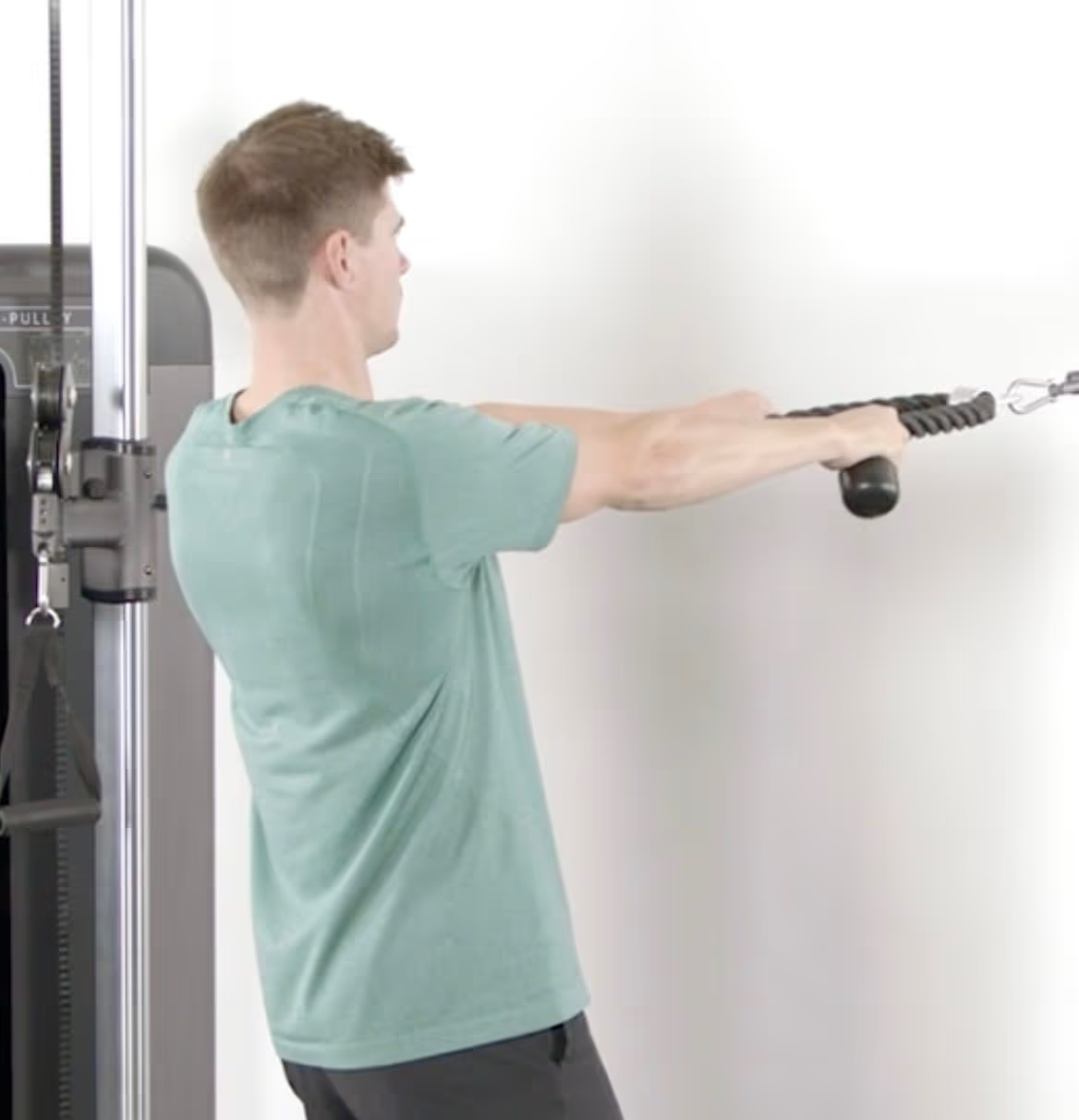

%20(1).avif)
3. About the high row cable
- Isolate your middle back, lats and biceps
- Make sure form is correct to get the best out of the exercise
- Balance your posture by gripping handle firmly
- Start from upright posture and pull towards torso
4. List benefits of high row cable
Here are some potential benefits of performing this exercise:
- Improves posture by developing good alignment in your shoulder blades, arms and thoracic spine.
- Reduces risk of shoulder and neck injuries by strengthening shoulder and back muscles.
- Expands the range of motion and flexibility of the shoulder joint.
- Promotes good body mechanics by improving coordination and balance between your upper and lower body.
5. FAQ on high row cable


The high row cable works the latissimus dorsi (or lats) muscles, which are the large muscles in the back that run from the shoulder blades to the lower back. It also works the rhomboids, which are the muscles between the shoulder blades, and the trapezius muscles, which run from the neck to the middle of the back.
The correct form for the high row cable is to ensure that it is securely fastened to the wall or ceiling, and that the cable is properly supported to prevent sagging. Additionally, the cable should be checked for any signs of wear or damage before use.
The weight you use for the high row cable should depend on your strength and fitness level. Start with a light weight and increase the weight as you become stronger. You should use a weight that is challenging but still allows you to complete the exercise with proper form.
The number of sets and reps you should do for the high row cable will depend on your fitness goals. Generally, if you are looking to build muscle, you should aim for 3-4 sets of 8-12 reps. If you are looking to increase strength, you should aim for 4-6 sets of 4-8 reps.
The high row cable exercise should be done two to three times per week, with at least one day of rest between each session. It is important to allow your muscles time to recover in between workouts.

