

Step-by step guide to the 90 90 hip rotation exercise
Maximize effectiveness: Tips for patients and practitioners
Step-by step guide to the 90 90 hip rotation exercise
Maximize effectiveness: Tips for patients and practitioners

1. Step-by-step video on how to do the 90 90 hip rotation

2. How to perform the 90 90 hip rotation? Follow these instructions:

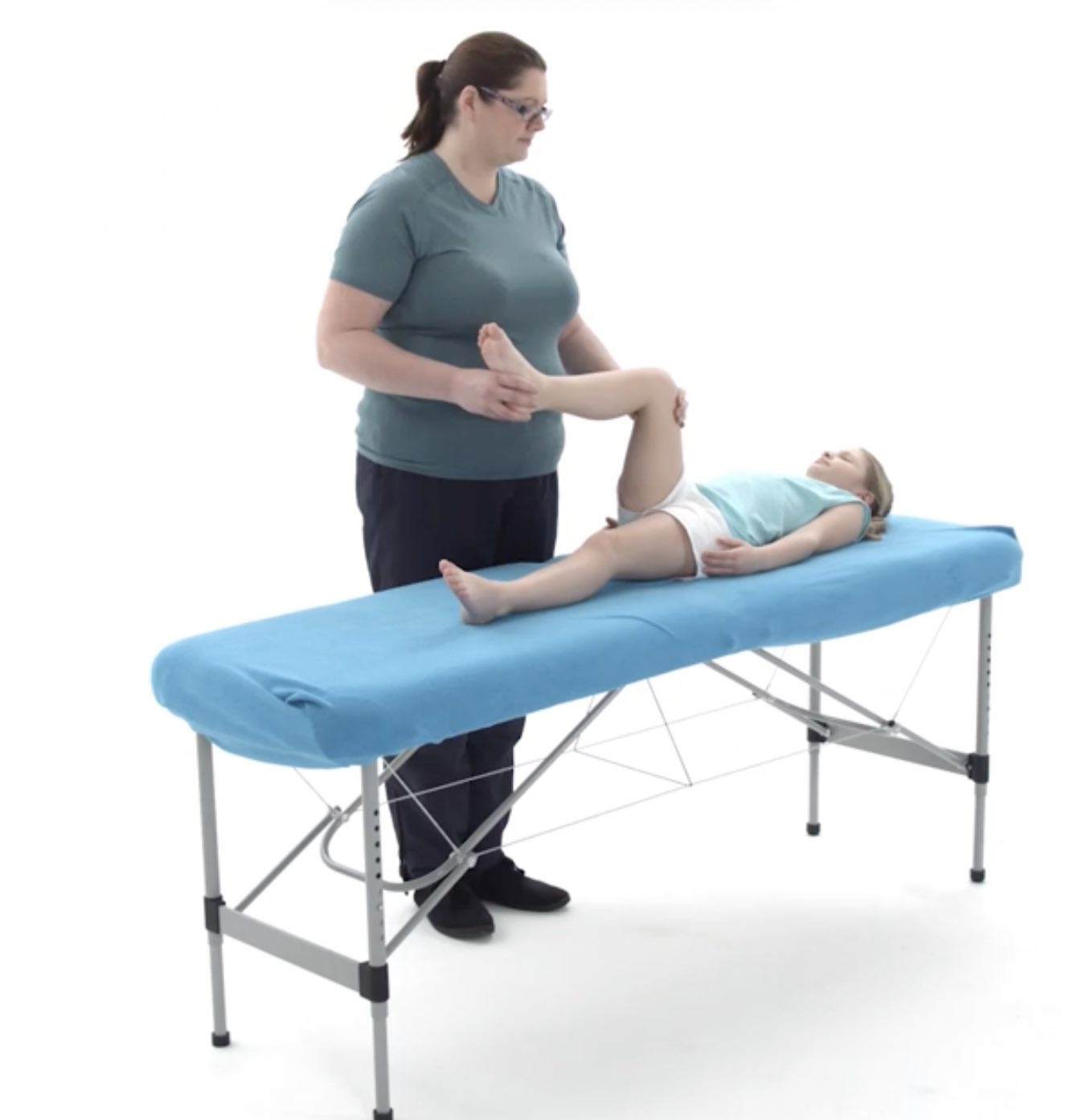


%20(1).avif)
3. About the 90 90 hip rotation
- 90 90 hip rotation is an exercise that focuses on stretching the hip flexors and increasing hip external rotation
- It involves sitting on the floor with your legs in a 90-90 position, then gently rotating the hips to the outside
- Doing this exercise can help to improve stability of the hips and strengthen the hip muscles
- Good form is essential when doing 90 90 hip rotation, so be sure to focus on keeping the spine straight and engaging the core
- Be gentle when doing the exercise, avoid jerking movements and don’t force the joint beyond its range of motion
4. List benefits of 90 90 hip rotation
Here are some potential benefits of performing this exercise:
- Strengthens the muscles of the hips, core and lower back
- Improves mobility, stability and posture in the lower body
- Increases range of motion in the hips
- Enhances agility and reduces risk of injury
- Enhances coordination and balance in the body
5. FAQ on 90 90 hip rotation


To perform 90/90 hip rotation, start by lying on your back with your knees bent and your feet flat on the floor. Place your arms out to the sides at a 90-degree angle, palms facing up. Slowly rotate your hips to the right, bringing your knees over to the left side of your body. Hold for a few seconds, then rotate your hips to the left, bringing your knees over to the right side of your body. Hold for a few seconds, and repeat.
The 90/90 hip rotation exercise targets the hip flexors, glutes, and external obliques. It also helps to improve hip mobility and stability.
The 90/90 hip rotation is a stretching exercise that can improve hip flexibility and mobility. It can help reduce tightness in the hip flexors, glutes, and hamstrings, and can also help improve posture and balance. Additionally, it can help reduce the risk of lower back pain and improve overall hip stability.
The risks associated with 90 90 hip rotation include increased risk of hip impingement, muscle strains, and ligament tears. Additionally, this exercise can place a lot of stress on the lower back, which can lead to lower back pain. Therefore, it is important to perform this exercise with proper form and technique, and to stop if any pain or discomfort is felt.

