

Step-by step guide to the snatch balance exercise
Maximize effectiveness: Tips for patients and practitioners
Step-by step guide to the snatch balance exercise
Maximize effectiveness: Tips for patients and practitioners

1. Step-by-step video on how to do the snatch balance

2. How to perform the snatch balance? Follow these instructions:
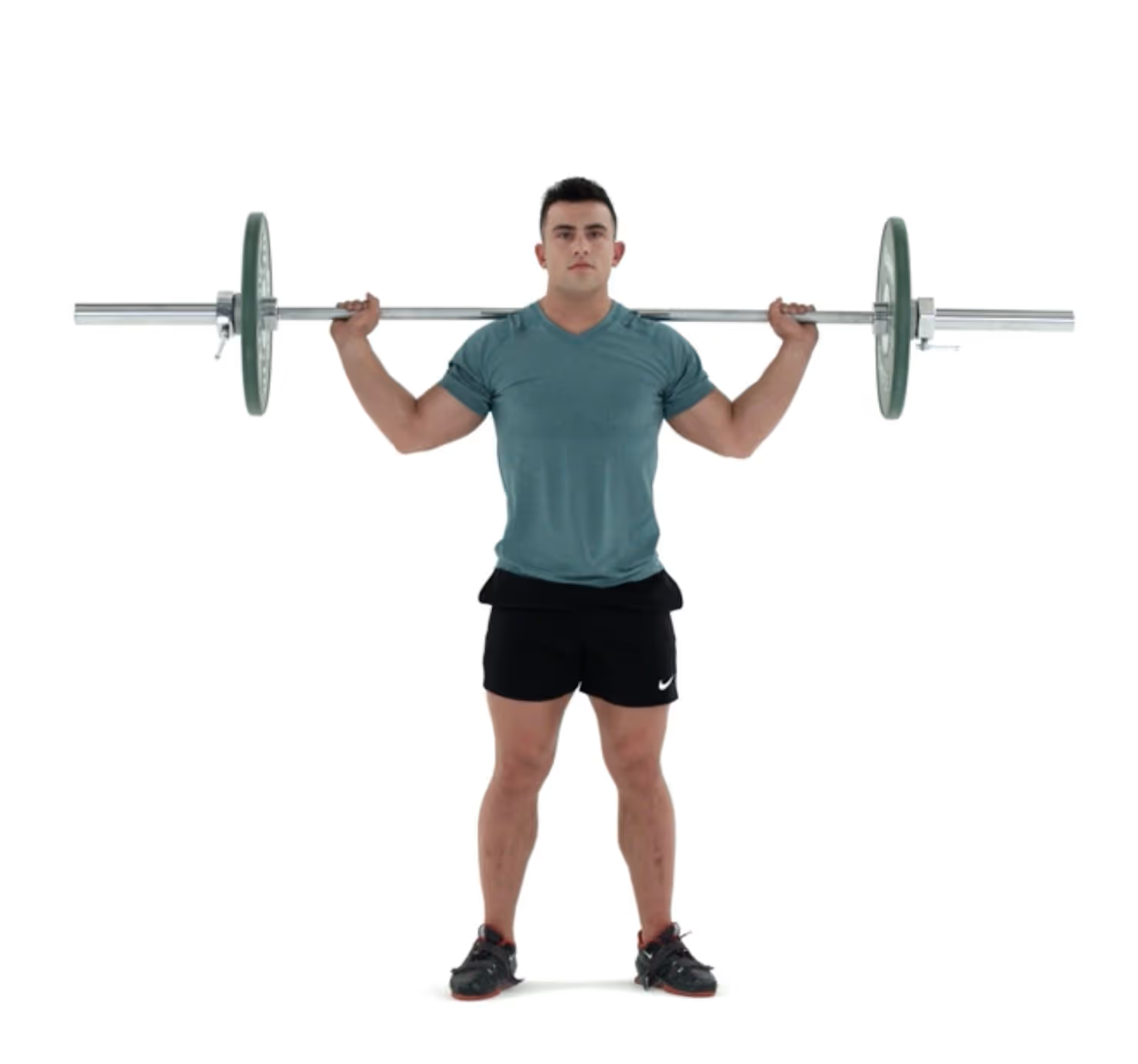

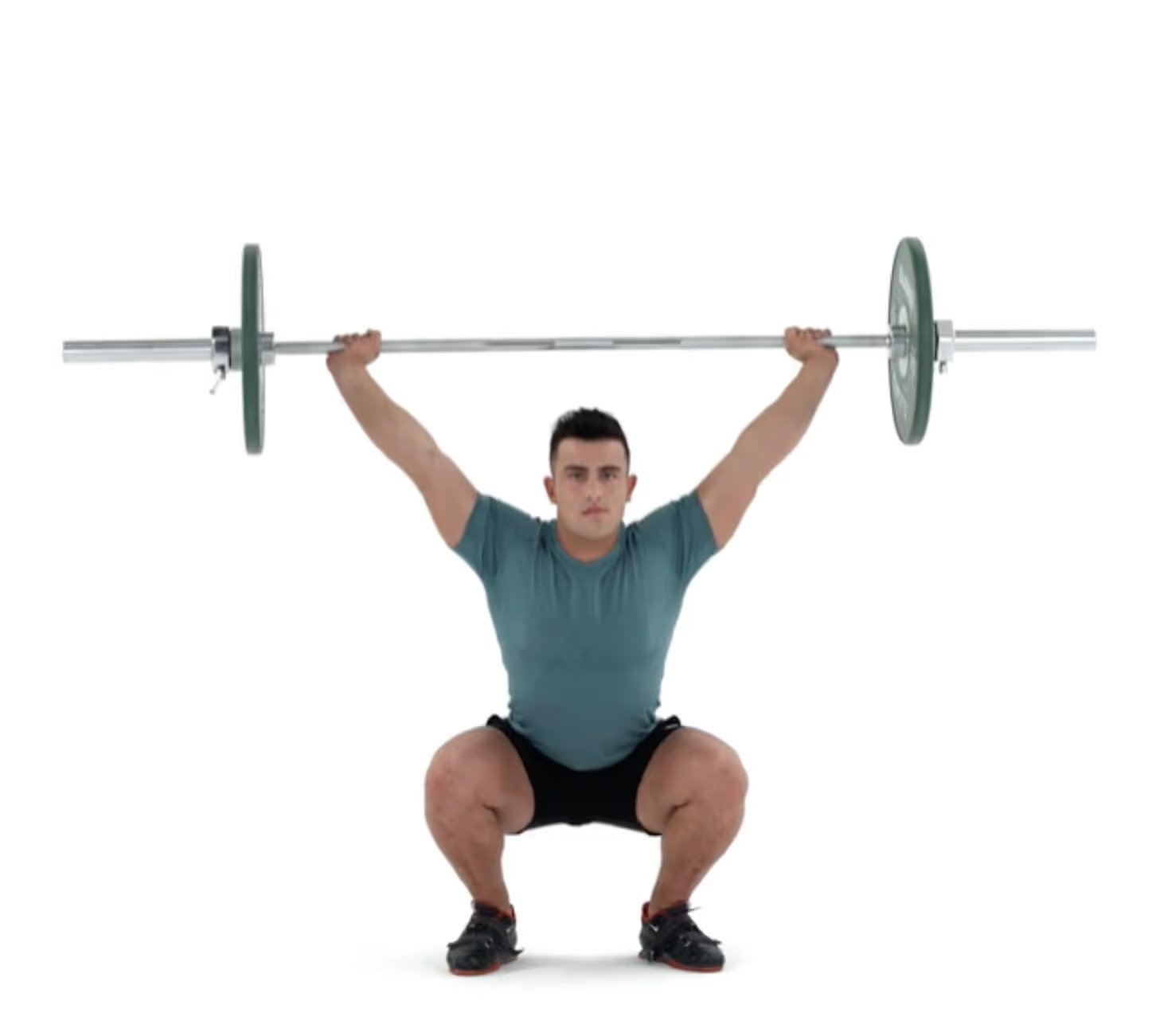

%20(1).avif)
3. About the snatch balance
- Involves transfer of weight from your lower body to the upper body
- Involves moving a barbell from the ground to the overhead position with a snatch grip
- Proper form requires the hips to remain open throughout the lift and prevent the barbell from drifting too far away from your body
- Improves overhead stability, flexibility and mobility
- Develops explosive power and strength in your hips, shoulders and core muscle groups
4. List benefits of snatch balance
Here are some potential benefits of performing this exercise:
- Improved hip mobility – The snatch balance requires the athlete to use a deep squatting position, which requires active hip flexion and extension, which can help to improve hip mobility.
- Increased strength – The snatch balance is a very explosive exercise which requires both the hips and the shoulders to produce a great deal of power. This can help to improve strength and increase power.
- Increased core stability – The snatch balance requires the athlete to stay upright and control their torso position throughout the entire movement, which can help to improve core stability and strength.
- Improve flexibility – The snatch balance requires the athlete to remain in an extreme position throughout the entire exercise, which helps to stretch the muscles and improve flexibility.
- Improved coordination and agility – The snatch balance is a very dynamic exercise, requiring the athlete to balance while moving their body through multiple planes. This can help to improve coordination and agility.
5. FAQ on snatch balance


A snatch balance is a weightlifting exercise that works the muscles of the legs, hips, and core. It is performed by holding a weight in the hands while squatting down and then explosively standing up while pressing the weight overhead. The snatch balance is often used as part of a weightlifting program to develop strength and power.
The snatch balance works the quads, glutes, hamstrings, shoulders, and core muscles.
The correct form for a snatch balance is to stand with your feet hip-width apart, your toes slightly pointed out, and your weight evenly distributed across your feet. Bend your knees and hinge your hips back while keeping your chest up and your back flat. Reach your arms down and grab the barbell with an overhand grip, slightly wider than shoulder-width apart. Keep your elbows close to your body and your shoulders directly above the bar. Take a deep breath and drive through your heels, extending your hips and knees to lift the barbell off the ground. Keep your core tight and your back flat as you press the barbell overhead. Lower the barbell back to the ground and repeat.
A snatch balance is a type of weightlifting exercise that involves catching a barbell in a deep squat position, then standing up with it. A power snatch is a type of weightlifting exercise that involves catching a barbell in an overhead squat position, then standing up with it. The main difference between the two is that the snatch balance requires the athlete to catch the barbell in a deep squat, while the power snatch requires the athlete to catch the barbell in an overhead squat.
The amount of weight you use for a snatch balance will depend on your individual strength and skill level. Generally, you should start with a light weight and gradually increase the weight as you become more comfortable with the exercise.

