

Step-by step guide to the occipital neuralgia exercise
Maximize effectiveness: Tips for patients and practitioners
Step-by step guide to the occipital neuralgia exercise
Maximize effectiveness: Tips for patients and practitioners

1. Step-by-step video on how to do the occipital neuralgia exercise

How to perform the Occipital Neuralgia
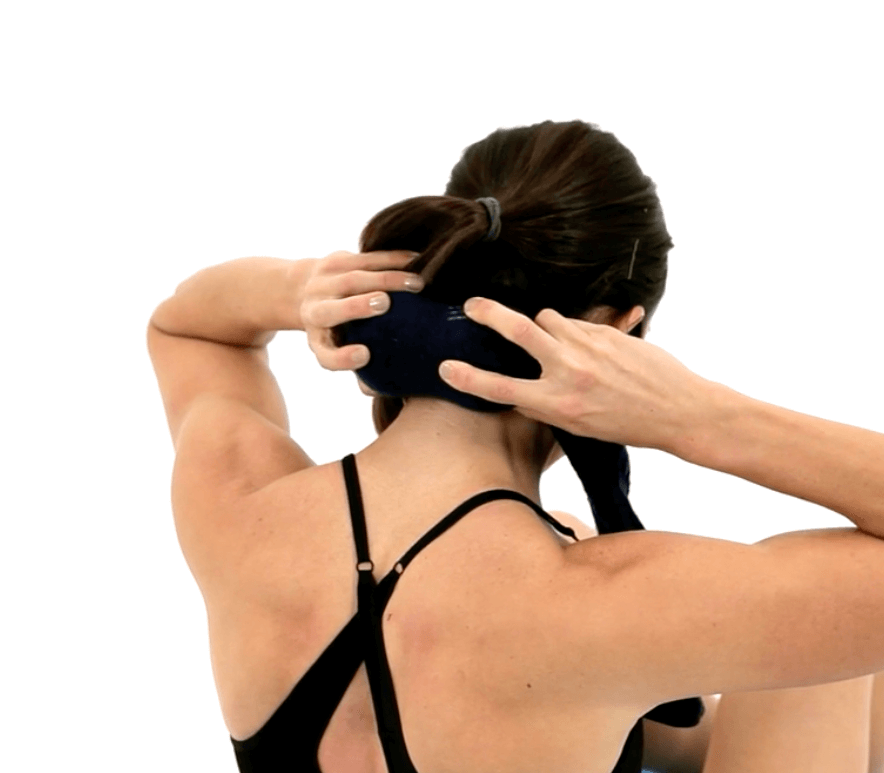


%20(1).avif)
3. About the occipital neuralgia exercise
- Occipital neuralgia is a type of headache caused by irritation or damage to the occipital nerves.
- Occipital neuralgia is often treated with physical therapy, medications, nerve blocks, or injections.
- Other self-care measures such as cold packs, relaxation techniques, or massage may also help relieve the pain.
4. Benefits of the occipital neuralgia exercise
Here are some potential benefits of performing this exercise:
- Improved flexibility and range of motion in the neck and upper back muscles
- Improved posture, balance, and coordination
- Improved circulation and oxygenation to muscles in the neck and upper back
- Strengthened core muscles that support the spine and help to prevent recurrent episodes of pain
5. FAQ on the occipital neuralgia exercise


Occipital neuralgia is caused by irritation or injury to the occipital nerves, which run from the top of the spinal cord up through the scalp. Possible causes of occipital neuralgia include physical trauma, such as a car accident or a blow to the head, or conditions such as arthritis, tumors, or infection.
The main risk factors for occipital neuralgia include: • Trauma or injury to the head, neck, or upper back • Muscle tension or spasm in the neck • Poor posture • Compression of the occipital nerves due to a herniated disc, bone spurs, or other spinal abnormalities • Inflammation of the occipital nerves due to infection, tumor, or other medical conditions • Certain medical procedures, such as nerve blocks or nerve stimulation
Occipital neuralgia is typically diagnosed by a doctor based on a patient's medical history and physical examination. The doctor may also order imaging tests, such as an MRI or CT scan, to rule out other possible causes of the patient's symptoms. In some cases, a nerve conduction study may be used to confirm the diagnosis.
The treatment options for occipital neuralgia depend on the severity of the condition and the underlying cause. Treatment may include physical therapy, medications, nerve blocks, or surgery. Physical therapy may include stretching and strengthening exercises, massage, and ultrasound. Medications may include non-steroidal anti-inflammatory drugs (NSAIDs), muscle relaxants, tricyclic antidepressants, and anticonvulsants. Nerve blocks can provide temporary relief and may include steroid injections, local anesthetics, or Botox. Surgery is usually a last resort and may involve cutting or decompressing the nerve.

