

Step-by-step guide to the ankle alphabet exercise
Maximize effectiveness: Tips for patients and practitioners
Step-by-step guide to the ankle alphabet exercise
Maximize effectiveness: Tips for patients and practitioners

1. Step-by-step video on how to do the ankle alphabet exercise

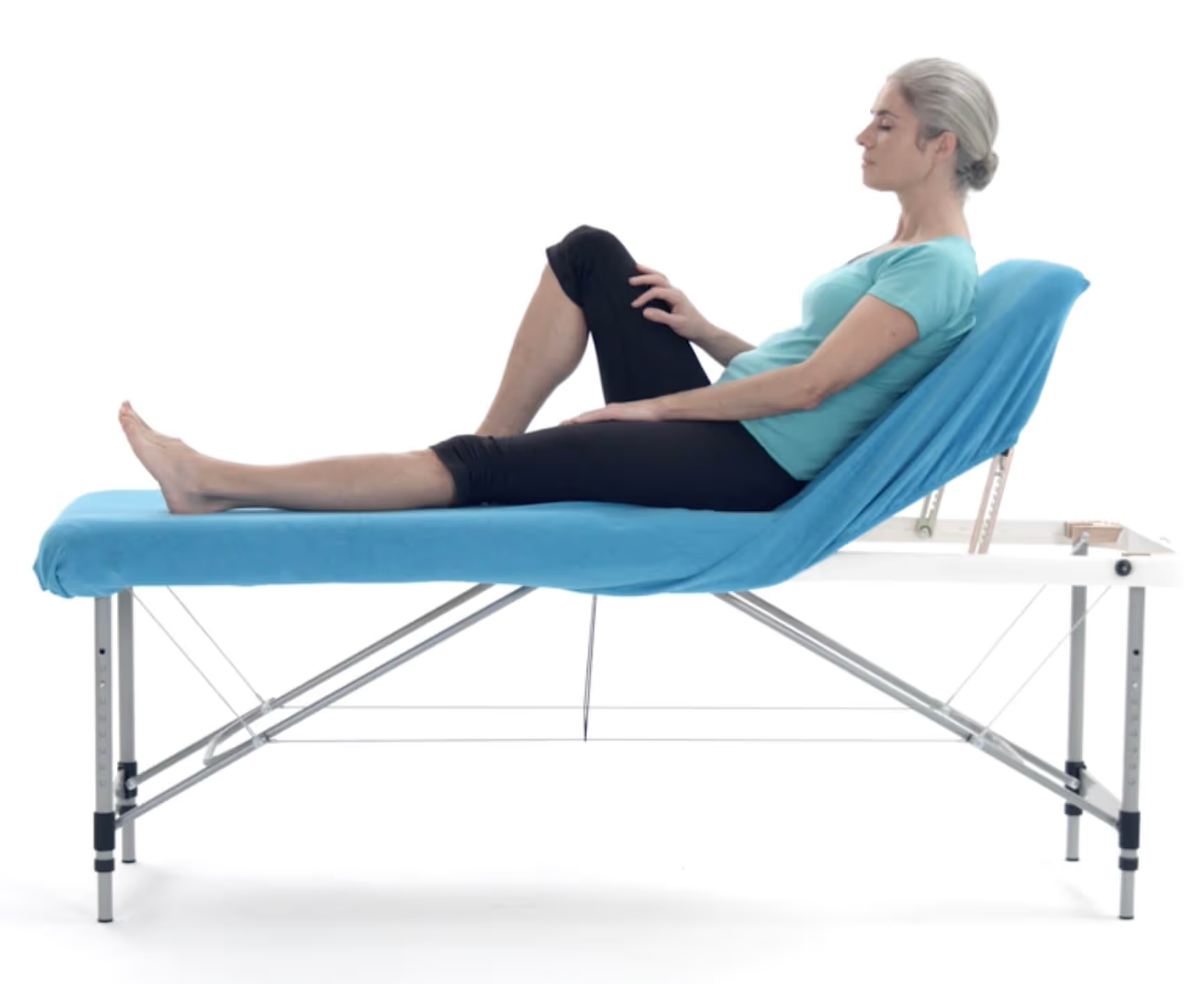
2. How to perform the ankle alphabet exercise? Follow these instructions:


%20(1).avif)
3. About the ankle alphabet exercise
- The Alphabet ankle assessment is usually done as part of a physical therapy evaluation to identify any limitations or impairments in the ankle joint that may be contributing to a patient's pain or dysfunction.
- This assessment is usually done after a thorough examination of the patient's history and symptoms, and can help the therapist identify any specific exercises or interventions that may be needed to improve the patient's ankle function.
4. Benefits of ankle alphabet exercise
Here are some potential benefits of performing this exercise:
- helps to identify any limitations or impairments in the ankle joint that may be contributing to a patient's pain or dysfunction
- can help to reduce pain
- improve mobility and prevent further injury
- may also provide an early identification of any potential issues that may lead to future injuries and help prevent them
5. FAQ on ankle alphabet exercise


Ankle Alphabet Active Range of Motion (AROM) is a method used by Physical Therapists to evaluate the mobility and range of motion of the ankle joint. It involves asking the patient to actively trace the letters of the alphabet with their toes on the ground.
The Ankle Alphabet AROM should be performed by a qualified Physical Therapist or healthcare professional.
The benefits of the Ankle Alphabet AROM include identifying any limitations or impairments in the active range of motion of the ankle joint that may be contributing to a patient's pain or dysfunction, evaluating the patient's ability to actively move their ankle through its full range of motion, identifying specific exercises or interventions that may be needed to improve the patient's ankle function, and monitoring progress over time.
The frequency of the Ankle Alphabet AROM will depend on the patient's individual condition and the severity of their symptoms. It is typically performed as part of a physical therapy evaluation and may be repeated periodically to track progress or as needed if there is a change in the patient's symptoms or condition.
As with any assessment, it is important to consult with a doctor or healthcare professional before starting if the patient has any health concerns, especially if they have any ankle injuries or problems. The assessment should be performed in a safe and controlled environment.

