

Step-by step guide to the high cable row exercise
Maximize effectiveness: Tips for patients and practitioners
Step-by step guide to the high cable row exercise
Maximize effectiveness: Tips for patients and practitioners

1. Step-by-step video on how to do the high cable row

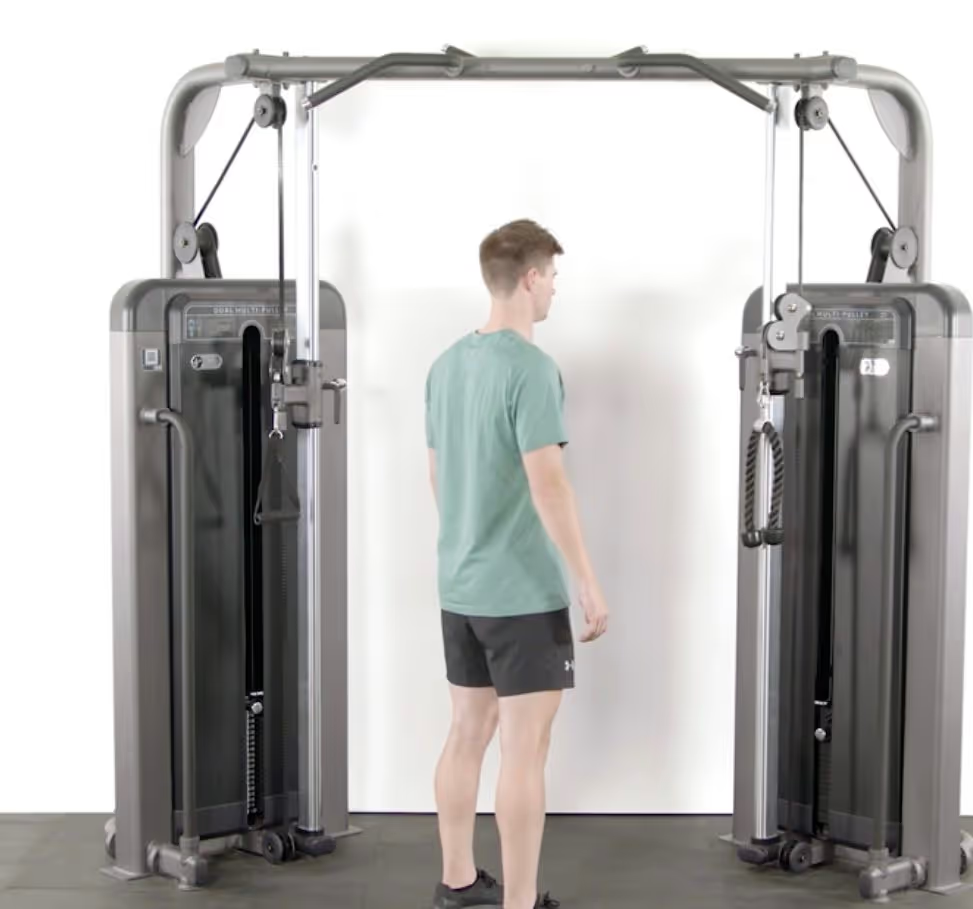
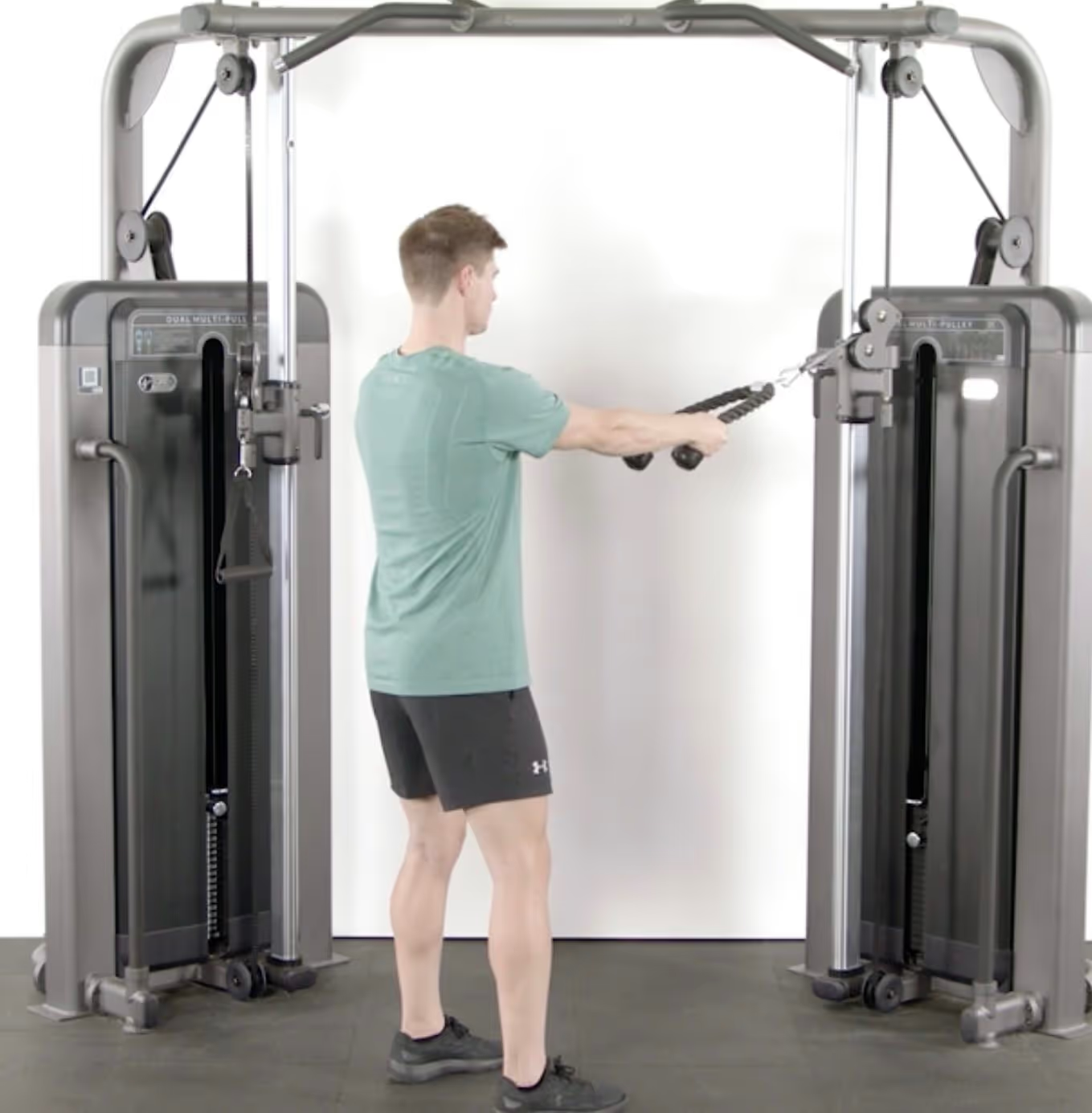
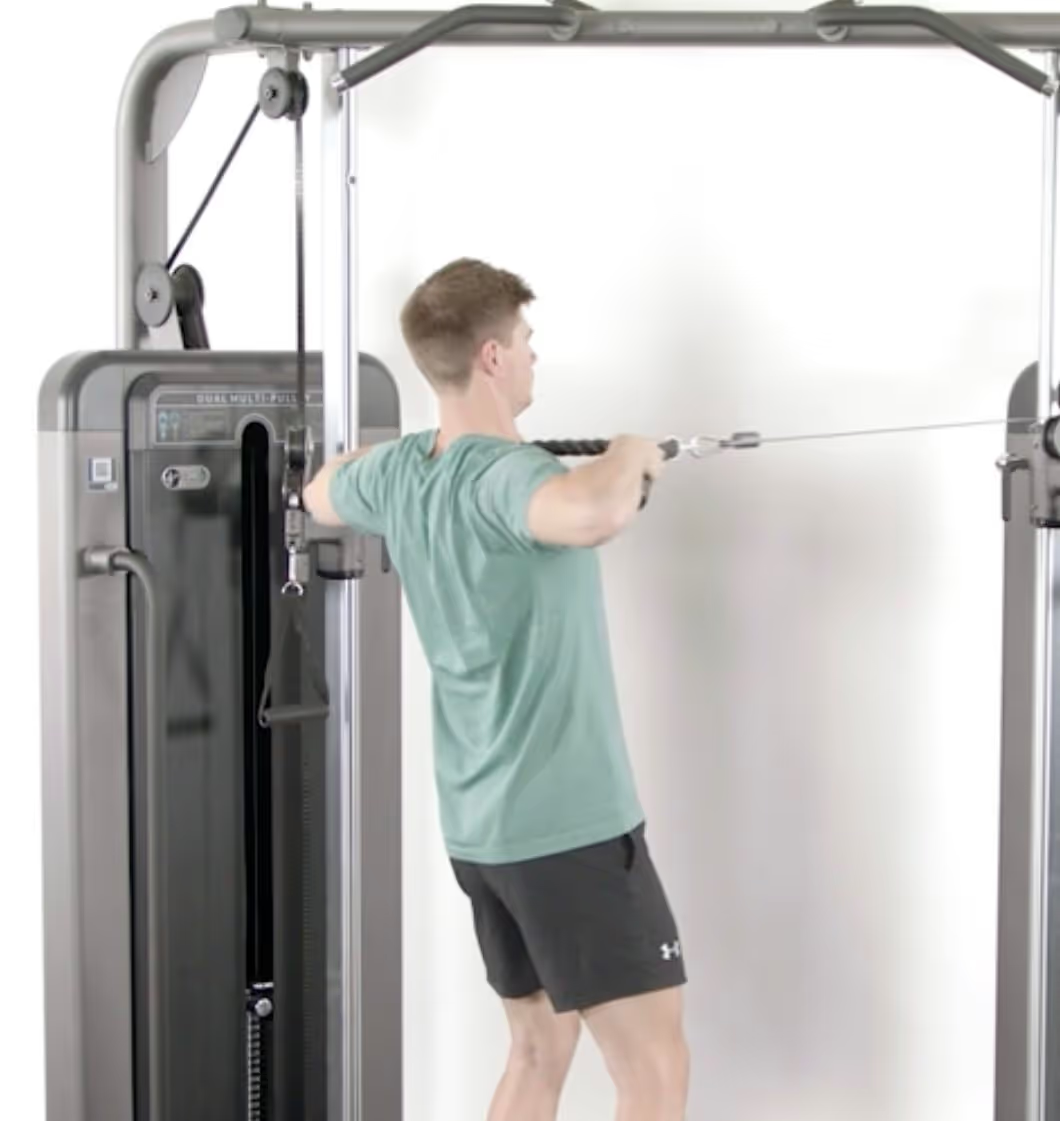
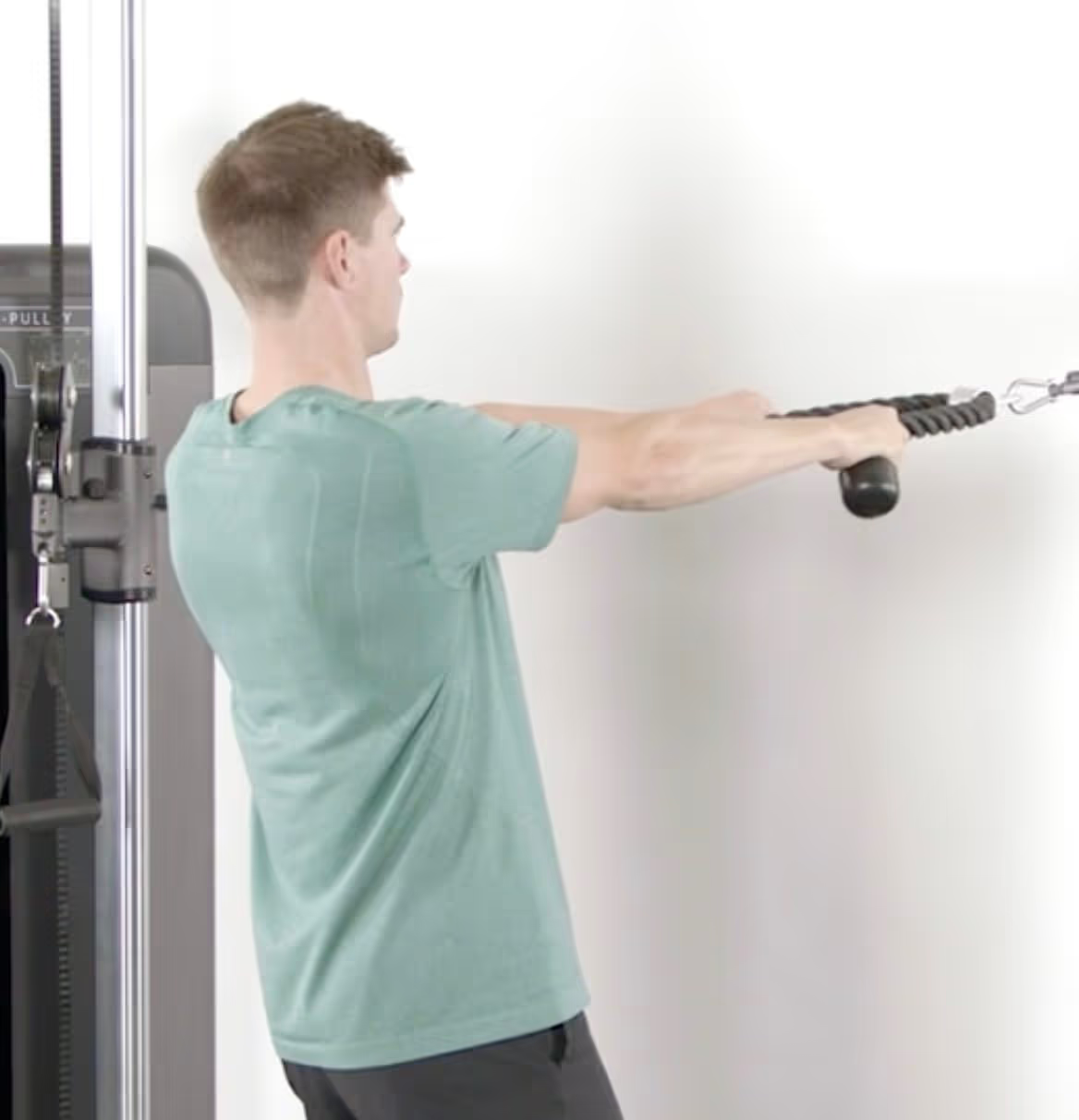
2. How to perform the high cable row? Follow these instructions:

%20(1).avif)
3. About the high cable row
- Engages the muscles of the back, shoulders, and arms
- Uses gravity and a cable machine to pull your body up
- Great exercise to improve upper body strength and posture
- Allows you to add resistance to the movement to increase difficulty
- Be sure to maintain a steady, slow pace with no jerking or swinging motions
4. List benefits of high cable row
Here are some potential benefits of performing this exercise:
- Strengthens the back muscles, which helps reduce the risk of back injuries.
- Improves posture by strengthening the muscles of the upper back.
- Increases core strength and stabilizes the spine.
- Increases range of motion and flexibility in the shoulders.
- Improves the coordination and balance of the upper body.
5. FAQ on high cable row


The high cable row works the latissimus dorsi (lats) muscles, the trapezius muscles, and the rhomboids. The high cable row also works the biceps and the rear deltoids.
The correct form for the high cable row is to stand facing the cable machine, feet shoulder-width apart, knees slightly bent. Hold the cable handle with both hands, palms facing down, and lean back slightly. Keeping your arms straight, pull the cable handle towards your chest. Squeeze your shoulder blades together and hold for a moment before slowly releasing the handle back to the starting position.
The frequency of high cable rows will depend on your fitness goals and the rest of your workout routine. Generally speaking, it is recommended to do high cable rows at least two to three times per week.
The amount of weight you use for a high cable row will depend on your fitness level and goals. Generally, it is best to start with a light weight and gradually increase the weight as you become more comfortable with the exercise. It is also important to use proper form and technique when performing the exercise to ensure you are getting the most out of it.
The best grip to use for a high cable row is an overhand grip, with your palms facing away from you. This grip will allow you to keep your elbows close to your body and maximize the range of motion as you pull the weight towards your chest.

