

Step-by step guide to the single leg hip thrust exercise
Maximize effectiveness: Tips for patients and practitioners
Step-by step guide to the single leg hip thrust exercise
Maximize effectiveness: Tips for patients and practitioners

1. Step-by-step video on how to do the single leg hip thrust exercise

How to perform the Single Leg Hip Thrust
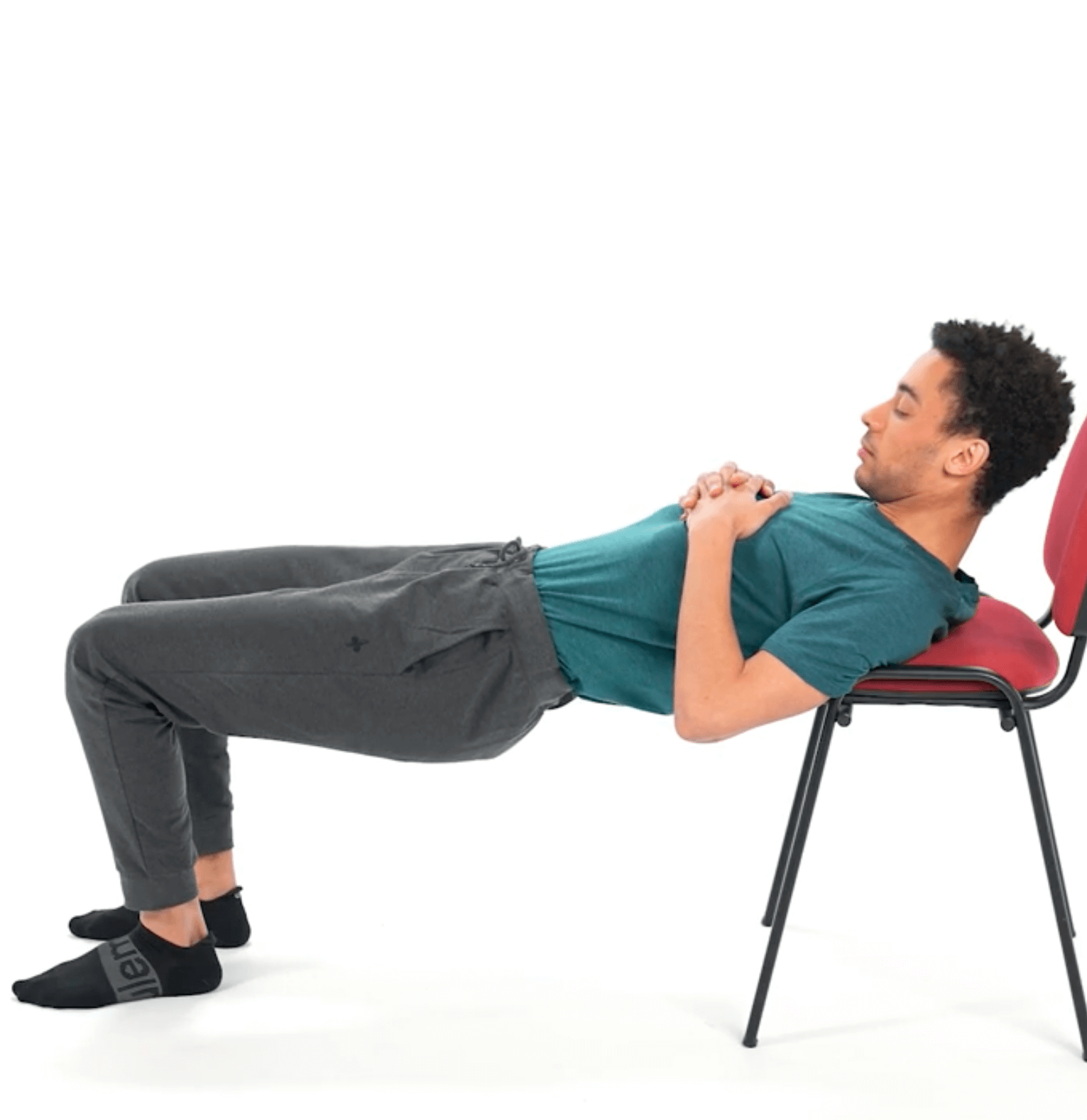


%20(1).avif)
3. About the single leg hip thrust exercise
- Focuses on lower glute muscle and hamstrings
- Improves posture via movement of the lower back
- Increases range of motion in the hip joint
- Stimulates the entire posterior chain to improve overall strength
4. Benefits of the single leg hip thrust exercise
Here are some potential benefits of performing this exercise:
- Improved hip stability and strength
- Increased range of motion and mobility
- Increased muscular endurance
- Improved posture and balance.
5. FAQ on the single leg hip thrust exercise


The single leg hip thrust primarily works the glutes, hamstrings, and hip flexors. It also engages the core, quads, and lower back muscles to a lesser degree.
The frequency of single leg hip thrusts will depend on your goals and current fitness level. Generally, beginners should aim to do single leg hip thrusts 2-3 times per week, while more experienced lifters may benefit from doing them 3-4 times per week. For best results, make sure to allow 48-72 hours of rest between workouts.
1. Not engaging your glutes: Make sure to squeeze your glutes throughout the entire movement to maximize the benefits of the exercise. 2. Not maintaining a neutral spine: Keep your back straight and your core engaged throughout the entire movement. 3. Not controlling your tempo: Make sure to control the tempo of the movement and avoid any jerking or bouncing. 4. Not using a full range of motion: Make sure to extend your hip fully at the top of the movement and lower your hip as close to the ground as possible. 5. Not focusing on form: Make sure to focus on proper form throughout the entire movement to ensure that you are targeting the correct muscles.
The best way to progress the single leg hip thrust is to increase the weight you are using, increase the number of reps and sets, and/or increase the speed of the movement. You can also add a pause at the top of the movement or add a band for increased resistance.

