

Step-by step guide to the vertigo treatments exercise
Maximize effectiveness: Tips for patients and practitioners
Step-by step guide to the vertigo treatments exercise
Maximize effectiveness: Tips for patients and practitioners

1. Step-by-step on how to do vertigo treatments.

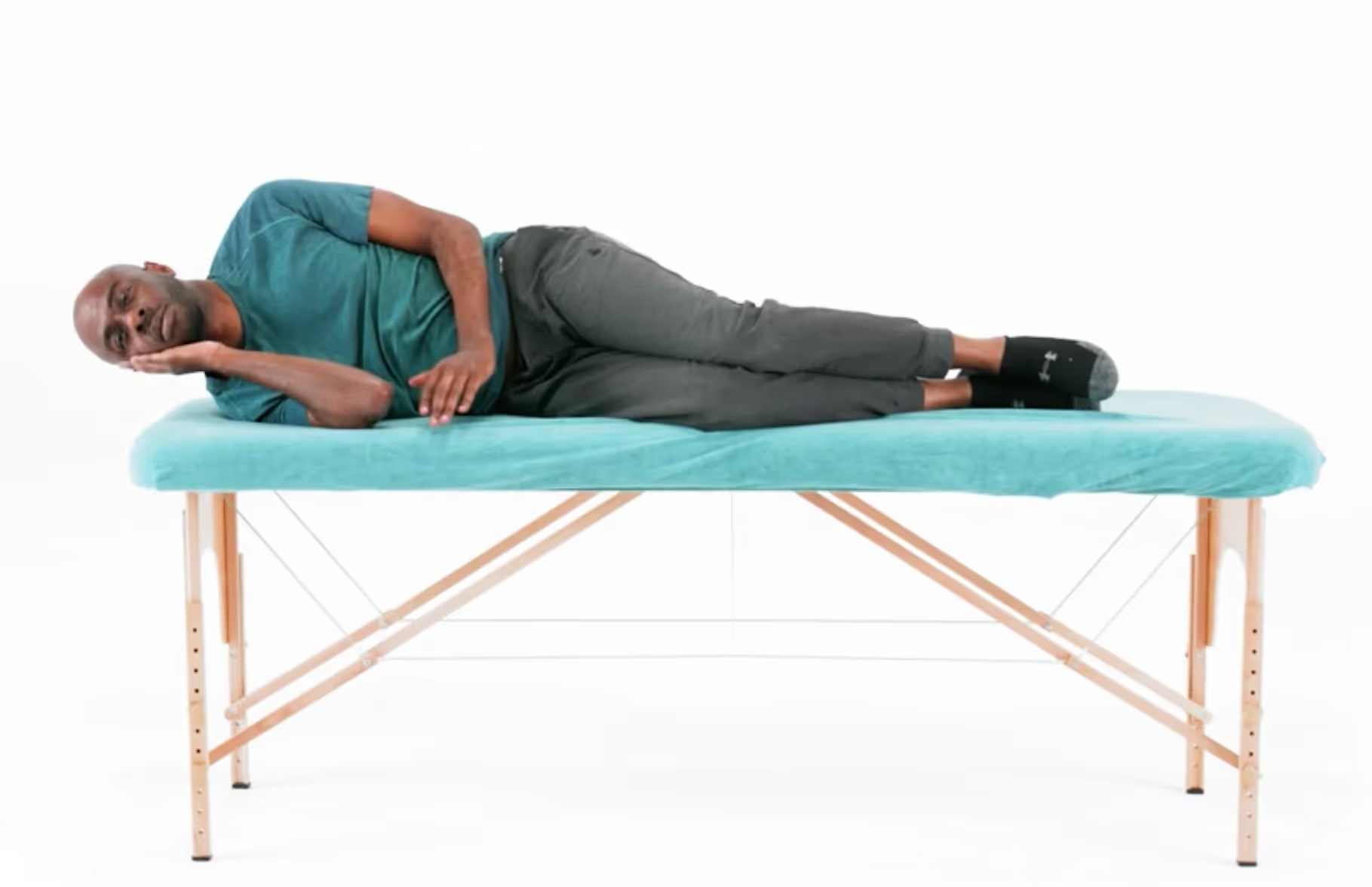
2. How to perform vertigo treatments. Follow these instructions.



%20(1).avif)
3. About vertigo treatments.
- Vertigo is a feeling of dizziness and spinning.
- Some common exercises for vertigo include Epley maneuver, Brandt-Daroff movements, and the VOR exercise.
- Therapy and counseling can help deal with the psychological aspects of vertigo.
4. Benefits of the vertigo treatments exercise.
Here are some potential benefits of performing this exercise:
- Improved balance and coordination
- Reduced symptoms of vertigo, such as dizziness and lightheadedness
- Reduced stress and anxiety
- Improved quality of life
5. FAQ on vertigo treatments.


Vertigo is a type of dizziness that is caused by a problem with the inner ear. It is a sensation of spinning or swaying, even when you are standing still. It can cause nausea and vomiting, and can be triggered by certain head or body movements.
Common causes of vertigo include inner ear infections, head or neck injuries, migraines, certain medications, and benign paroxysmal positional vertigo (BPPV). Other possible causes include Meniere's disease, acoustic neuroma, and stroke.
The most common symptoms of vertigo include a feeling of dizziness or spinning, loss of balance, nausea, vomiting, and difficulty walking or standing. Other symptoms may include sweating, ringing in the ears, and changes in hearing.

