

Step-by step guide to the scalene stretch exercise
Maximize effectiveness: Tips for patients and practitioners
Step-by step guide to the scalene stretch exercise
Maximize effectiveness: Tips for patients and practitioners

1. Step-by-step video on how to do the scalene stretch

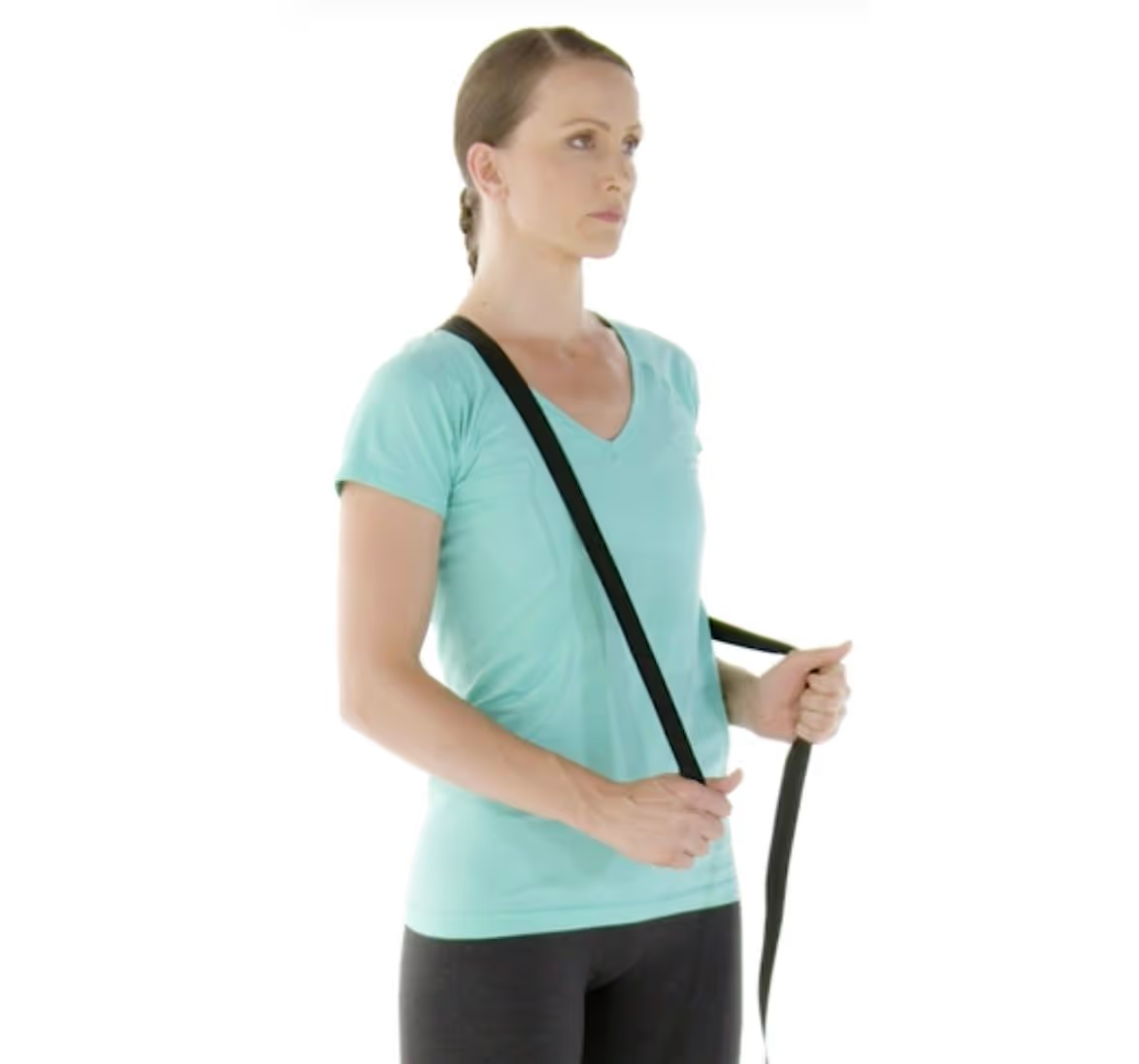
2. How to perform the scalene stretch? Follow these instructions:



%20(1).avif)
3. About the scalene stretch
- The scalene stretch targets the scalene muscles, a group of three muscles located on the sides of the neck.
- To perform the scalene stretch, sit or stand upright and gently tilt your head to one side, bringing your ear towards your shoulder. You can use your hand to provide a gentle additional stretch.
- The stretch should be felt on the opposite side of the head and neck from the direction you tilted.
4. List benefits of scalene stretch
Here are some potential benefits of performing this exercise:
- Relieves tension and tightness in the neck and shoulders.
- Improves flexibility and range of motion in the neck.
- Alleviates muscle imbalances and postural issues.
- Helps reduce headaches and neck pain caused by muscle tension.
- Promotes relaxation and reduces stress in the upper body.
5. FAQ on scalene stretch


A scalene stretch is a type of stretching exercise that targets specific muscle groups. It involves stretching one side of the body more than the other, creating an asymmetrical stretch. This type of stretching is often used to help improve flexibility, balance, and range of motion.
The scalene stretch targets the scalene muscles, which are located in the neck and upper chest. These muscles are responsible for flexing and rotating the neck, and they can become tight and cause pain in the neck and shoulders if left unchecked.
The frequency of scalene stretches will depend on your individual needs. Generally, it is recommended to do scalene stretches two to three times a week to maintain flexibility and reduce tightness.
The length of time you should hold a scalene stretch depends on the individual and the stretch itself. Generally, you should hold a stretch for 15-30 seconds and repeat it 2-3 times.
The benefits of scalene stretching include increased flexibility, improved range of motion, and reduced muscle tension. Additionally, scalene stretching can help improve posture, reduce the risk of injury, and improve overall athletic performance.

