

Step-by step guide to the kettlebell side bends exercise
Maximize effectiveness: Tips for patients and practitioners
Step-by step guide to the kettlebell side bends exercise
Maximize effectiveness: Tips for patients and practitioners

1. Step-by-step video on how to do the kettlebell side bends

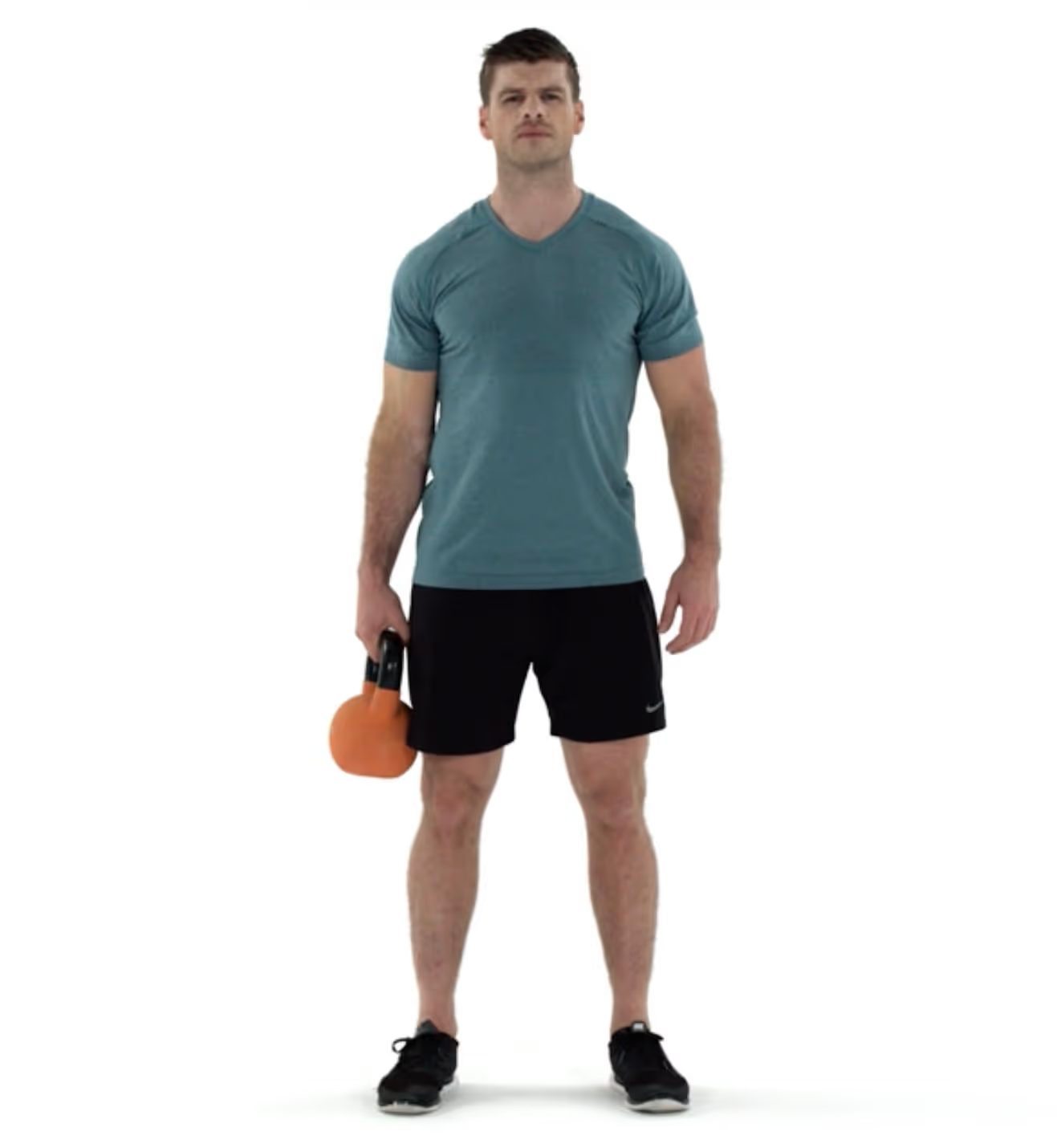
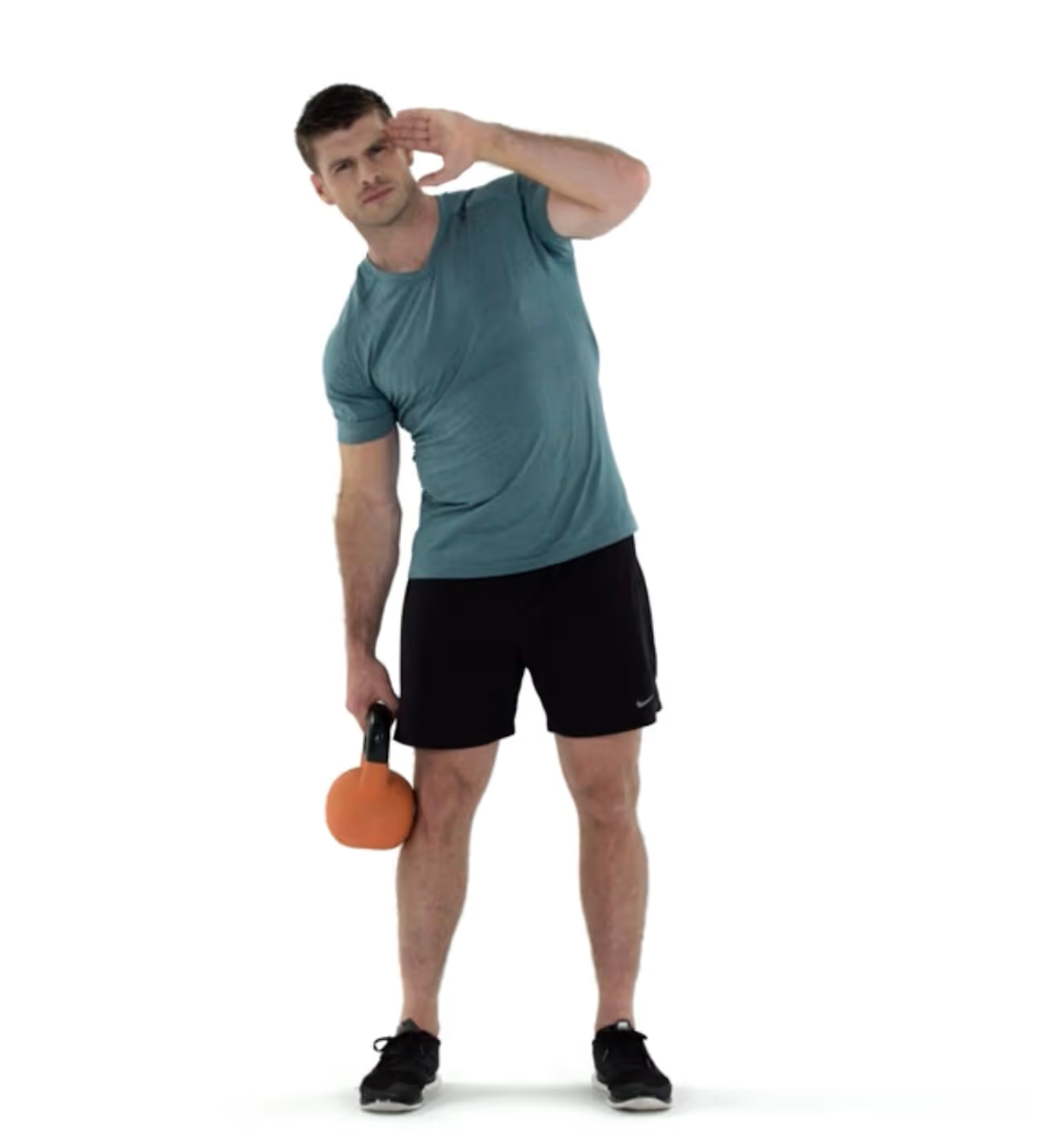
2. How to perform the kettlebell side bends? Follow these instructions:


%20(1).avif)
3. About the kettlebell side bends
- An effective way to strengthen the oblique muscles
- Includes a static balance component to focus on balance and stability
- Encourages proper posture and control
- Utilizes unilateral strength, coordination, and mobility
- Reduces risk of injury to the spine, improves flexibility and helps to create symmetry on each side of the body.
4. List benefits of kettlebell side bends
Here are some potential benefits of performing this exercise:
- Improves core stability and strength
- Enhances muscular endurance
- Improves posture
- Develops balance and coordination
- Reduces risk of injury due to the dynamic nature of the exercise
5. FAQ on kettlebell side bends


The kettlebell side bend works the obliques, transverse abdominis, and erector spinae muscles.
The correct form for a kettlebell side bend is to stand with your feet hip-width apart and hold a kettlebell in both hands. Bend to one side, keeping your back straight and your core engaged. Bend as far as you can without rounding your back, then return to the starting position. Repeat on the other side.
The number of sets and reps you should do for a kettlebell side bend will depend on your fitness level and goals. Generally, it is recommended to perform 3-4 sets of 8-12 reps. However, if you are a beginner, you may want to start with 1-2 sets of 8-10 reps and gradually increase the number of sets and reps as you become more comfortable with the exercise.
The best weight to use for a kettlebell side bend depends on your fitness level and goals. Generally, it is recommended to start with a light weight and gradually increase the weight as you become more comfortable with the movement.
Safety considerations for a kettlebell side bend include: 1. Make sure to warm up your body before beginning the exercise. 2. Start with a light weight and gradually increase the weight as you become more comfortable with the movement. 3. Keep your core engaged throughout the exercise to prevent any lower back strain. 4. Keep your chest and head up, and avoid arching your back. 5. Keep your movements slow and controlled. 6. Stop the exercise if you experience any pain or discomfort.

