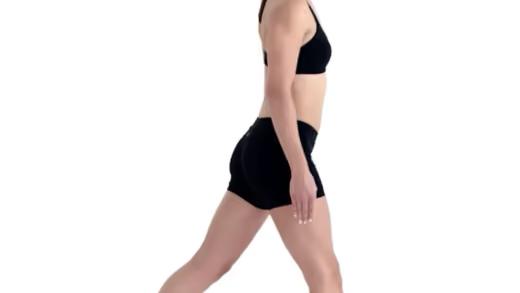
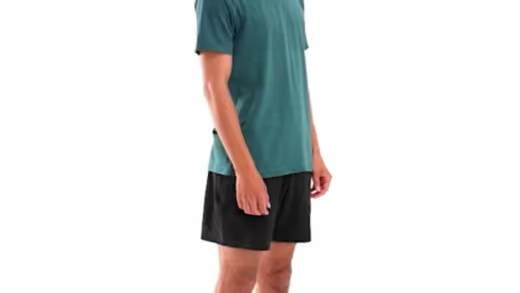
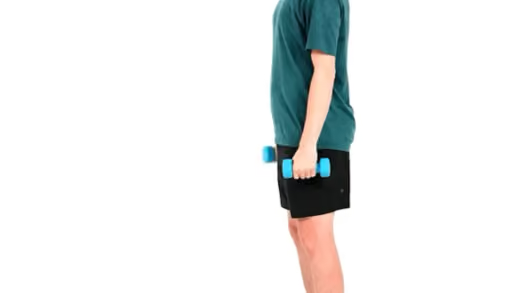
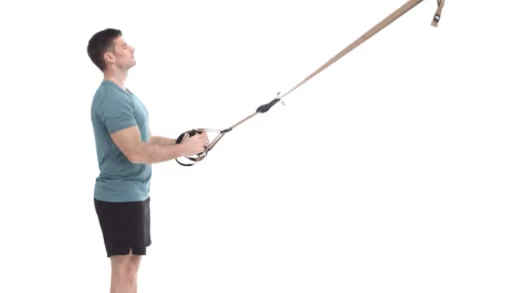
Step-by step guide to the sideward lunge exercise
Maximize effectiveness: Tips for patients and practitioners
1. Step-by-step video on how to do the sideward lunge exercise
How to perform the Sideward Lunge
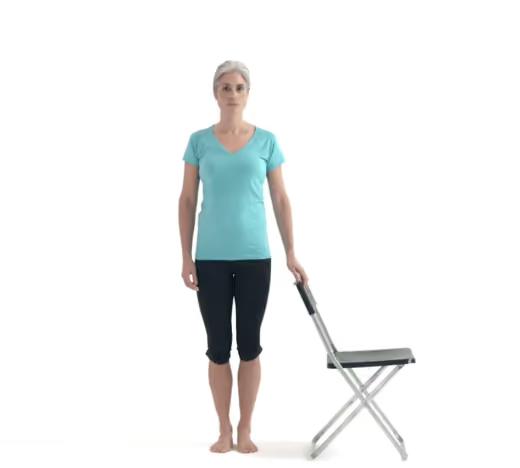
Step 1
Start in a standing position with a wall or supporting surface to one side.
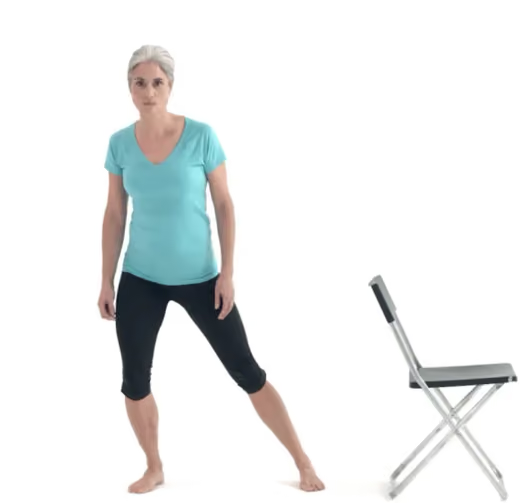
Step 2
Take a comfortable step out to one side with one leg bending your knee over your ankle. Hold this position briefly, and then return to a standing position.
3. About the sideward lunge exercise
- Targets glutes and hips
- Creates balance and stability
- Can vary in difficulty by emphasizing arm movement
- Great for toning and strengthening the lower body
4. Benefits of the sideward lunge exercise
Here are some potential benefits of performing this exercise:
- Improved flexibility in the hips, legs, and lower body
- Reduced risk of injury to the knees, ankles, and hips
- Improved coordination and balance
- Improved agility and dynamic movement ability
5. FAQ on the sideward lunge exercise
What muscles does a side lunge work?
A side lunge primarily works the glutes, quadriceps, and adductors. Additionally, it also engages the hamstrings, calves, obliques, and core.
How many reps should I do for a side lunge?
The number of reps you should do for a side lunge depends on your fitness level and goals. Generally, if you are just starting out, you should aim for 8-12 reps on each side. If you are more advanced, you can increase the number of reps to 15-20.
What is the difference between a side lunge and a regular lunge?
A side lunge is a type of lunge exercise that targets the muscles in the lower body, specifically the glutes, quads, and hamstrings. It is performed by stepping out to the side with one foot and then bending the knee of the same leg while keeping the other leg straight. The back leg should remain straight and the torso should remain upright. A regular lunge is performed by stepping forward with one foot and then bending the knee of the same leg while keeping the other leg straight. The back leg should remain straight and the torso should remain upright. The difference between the two is that a side lunge targets the muscles in the lower body from a different angle than a regular lunge.
What is the best way to progress with side lunges?
The best way to progress with side lunges is to start with a light weight and gradually increase it over time as your strength and balance improve. Make sure to keep your core engaged and maintain good form throughout the exercise. Additionally, focus on squeezing your glutes and inner thighs as you lower into the lunge to maximize the benefits of the exercise.