Step-by step guide to the curtsy lunge exercise
Maximize effectiveness: Tips for patients and practitioners
1. Step-by-step video on how to do the curtsy lunge
2. How to perform the curtsy lunge? Follow these instructions:
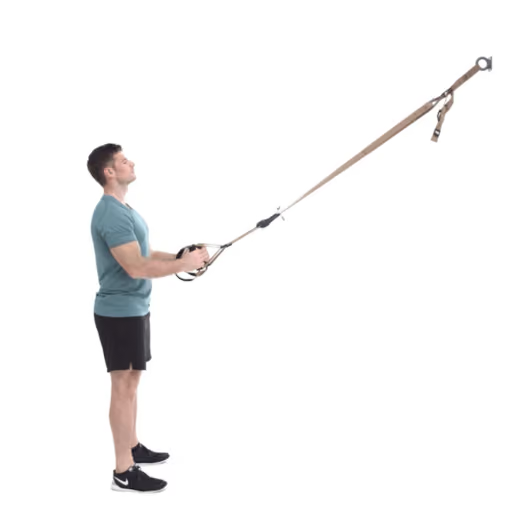
Step 1
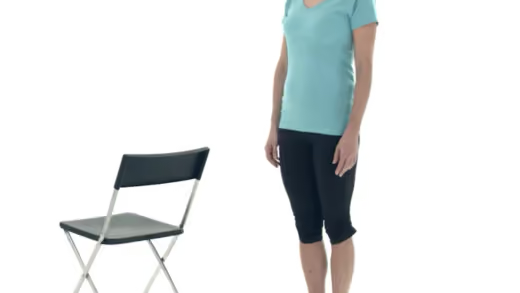
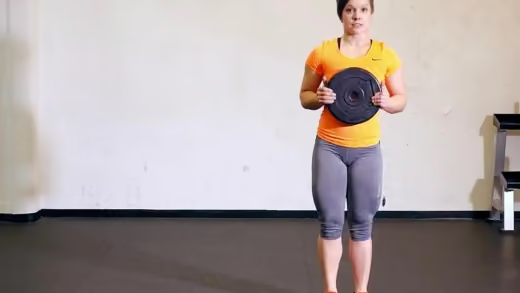
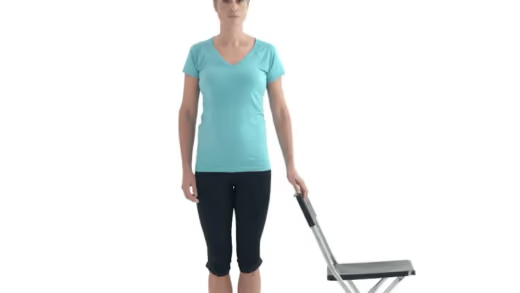
Stand up straight with your feet shoulder width apart and the straps short. Your arms should be out in front of you holding the straps.
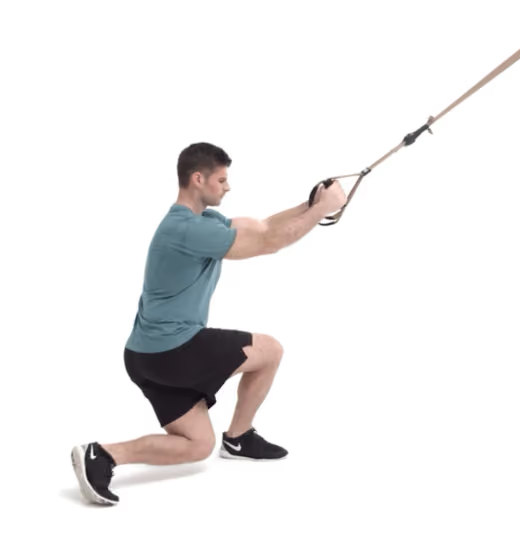
Step 2
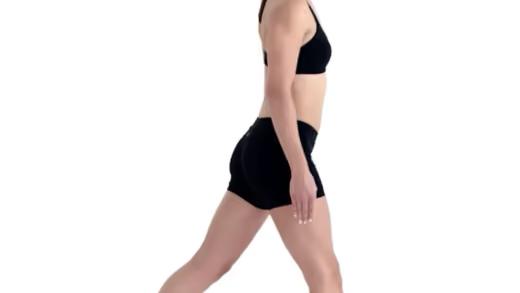
Keeping your arms straight, squat down on one leg whilst simultaneously crossing the other leg back behind. Lower your body down until your back knee is just above the floor.
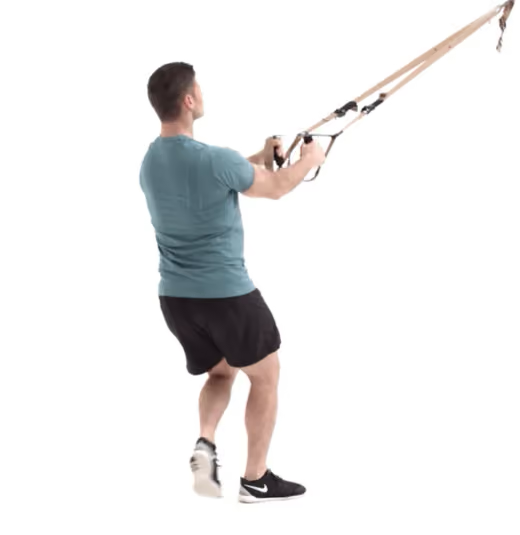
Step 3
Push back up through the legs rather than pulling with your arms.
The curtsy lunge exercise is a great way to tone the leg and glute muscles at the same time. It works both the inner and outer knee joints and helps to develop strength and balance. Additionally, it offers a great cardiovascular benefit and helps to provide an overall full-body workout.
3. About the curtsy lunge
- Targets your hips, glutes, thighs, and core
- Enhances coordination and balance
- Opposing muscles are engaged to move your legs and hips
- Training the deeper leg muscles
- Improves overall body strength and mobility
4. List benefits of curtsy lunge
Here are some potential benefits of performing this exercise:
- Strengthens your hips, legs, and glutes
- Improves balance and coordination
- Increases leg mobility
- Improves your posture
- Improves range of motion in the hips and core muscles
5. FAQ on curtsy lunge
What muscles does a curtsy lunge work?
A curtsy lunge works the muscles of the glutes, quads, and inner thighs. It also engages the core and helps to improve balance and stability.
How often should I do curtsy lunges?
It is recommended to do curtsy lunges at least 2-3 times per week as part of a regular exercise routine. Make sure to give your body adequate rest in between workouts to allow for proper recovery.
What is the difference between a curtsy lunge and a regular lunge?
A curtsy lunge is a type of lunge exercise that targets the glutes and inner thighs. It is performed by stepping one leg back and across the body behind the other, and then lowering the body down into a lunge position. This exercise is more challenging than a regular lunge as it requires more balance and stability, and works the inner and outer thighs as well as the glutes.