Step-by-step guide to the static lunges exercise
Maximize effectiveness: Tips for patients and practitioners
1. Step-by-step video on how to do the static lunges.
2. How to perform the static lunges? Follow these instructions.
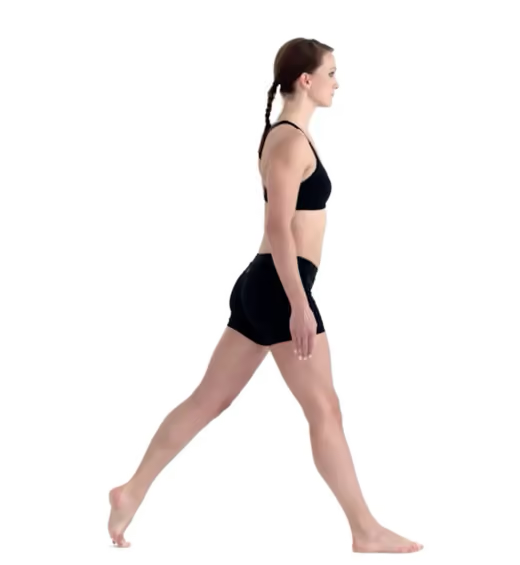
Step 1
Take a large step forwards on your affected leg. Drop your hips directly down between your two feet. Allow both legs and hips to bend, so that your knees are at 90 degrees, your back heel comes off the floor and the shin of your front leg is vertical.
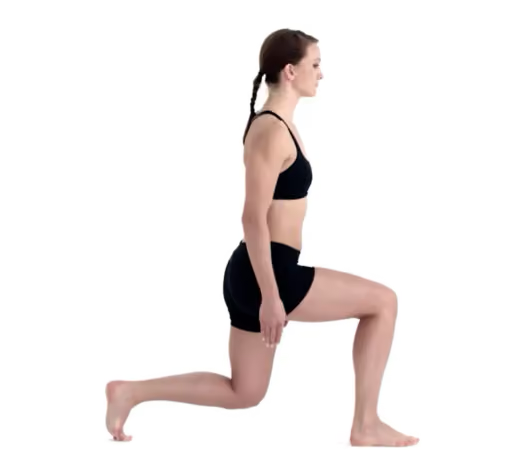
Step 2
Push back up to the starting position and repeat. Make sure your knees travel directly forwards over your toes at all times.
3. About the static lunges.
- A static lunge is a form of exercise that involves holding a lunge position to target the calf, thigh, and glute muscles
- The static lunge can be done while standing or on a platform
- You should pause for 2-3 seconds in each lunge position to ensure the working muscles are adequately activated
- The static lunge can be done with or without added weights for increased challenge
4. Benefits of static lunges exercise.
Here are some potential benefits of performing this exercise:
- Increases overall strength of the leg muscles, particularly the quadriceps, glutes, hamstrings, and calves
- Improves core stability
- Increases flexibility in the hips and ankles
- Enhances mobility of the lower body joints
FAQ on static lunge exercise
What muscles does a static lunge work?
A static lunge primarily works the muscles of the lower body, including the quadriceps, hamstrings, glutes, and calves. Additionally, it can also work the core muscles, such as the abdominals and lower back.
How often should I do static lunges?
Static lunges should be done at least twice a week as part of a comprehensive lower body workout routine. It is important to give your muscles time to recover between workouts, so make sure to give yourself at least 48 hours of rest between lunging sessions.
What are the benefits of doing static lunges?
The benefits of doing static lunges include increased strength and stability in the lower body, improved balance, increased flexibility in the hips, glutes, and hamstrings, and improved coordination. Static lunges also help to build muscular endurance and can help to improve overall posture.
What is the best way to warm up before doing static lunges?
The best way to warm up before doing static lunges is to do dynamic stretching exercises such as leg swings, walking lunges, and high knees. This will help to increase your range of motion and activate your muscles, preparing them for the static lunges.