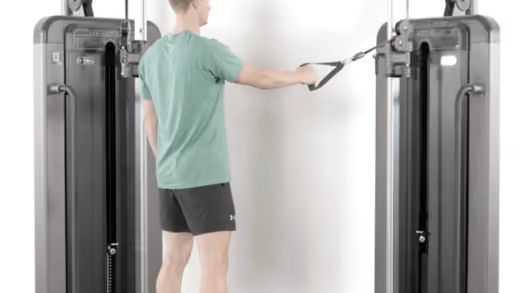
Step-by step guide to the reverse fly exercise
Maximize effectiveness: Tips for patients and practitioners
1. Step-by-step video on how to do the reverse fly exercise
How to perform the Reverse Fly
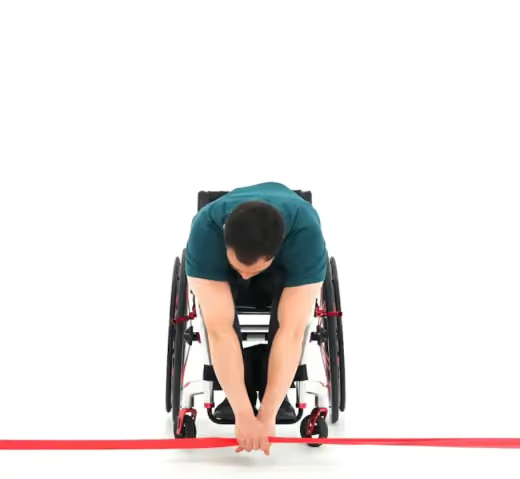
Step 1
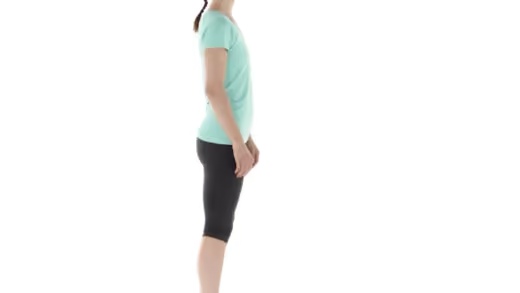
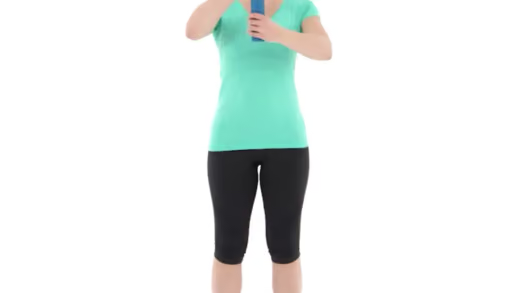
Hold one resistance band in each hand with your arms crossed. Pick up the slack in the resistance bands by wrapping them around your hands.
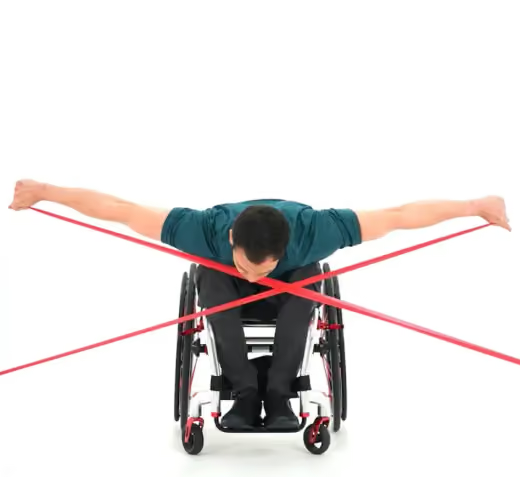
Step 2
When ready, uncross your arms and lift your bent elbows towards the ceiling, pulling through the resistance.
3. About the reverse fly exercise
- Involves extension of the shoulders and arms in a rowing motion
- Is a great way to improve your shoulder mobility and stability
- Can be performed with dumbbells, resistant bands,or cables
- Includes an eccentric phase which helps build strength and stability
4. Benefits of the reverse fly exercise
Here are some potential benefits of performing this exercise:
- Improves posture - A strong upper back will help to maintain an upright posture.
- Strengthens upper back - Strengthening the muscles surrounding the shoulder blade improves the stability of the shoulder joint.
- Enhances flexibility - This exercise stretches the chest, shoulder, and upper back muscles allowing for greater range of motion.
- Improves shoulder stability - By working the muscles around the shoulder blade, the reverse fly exercise helps to improve stability and prevent shoulder injuries.
5. FAQ on the reverse fly exercise
What muscles does a reverse fly work?
A reverse fly is an exercise that works the muscles of the upper back, including the rhomboids, rear deltoids, and trapezius. It also helps to strengthen the core muscles and improve posture.
How often should I do a reverse fly?
The frequency of your reverse fly exercises will depend on your fitness goals and your current fitness level. Generally speaking, if you are just starting out, you should aim to do reverse fly exercises 2-3 times a week. As you become more experienced, you can increase the frequency to 4-5 times a week.
What weight should I use for a reverse fly?
The weight you use for a reverse fly should be determined by your fitness level and the number of repetitions you plan to do. If you are a beginner, start with a light weight and do 10-15 repetitions. As you become more experienced, you can increase the weight and do fewer repetitions.
What are the common mistakes when performing a reverse fly?
The most common mistakes when performing a reverse fly include: 1. Not keeping the spine neutral - It is important to keep the spine neutral when performing a reverse fly to avoid putting unnecessary strain on the lower back. 2. Not using the correct weight - Make sure to use a weight that is light enough to allow for proper form and control. 3. Not engaging the core - Engaging the core will help to stabilize the body and ensure that the movement is being performed correctly. 4. Not keeping the arms straight - Keeping the arms straight during the entire movement will help to ensure that the muscles are being worked correctly.