Step-by step guide to the reverse crunch exercise
Maximize effectiveness: Tips for patients and practitioners
1. Step-by-step video on how to do the reverse crunch exercise
How to perform the Reverse Crunch
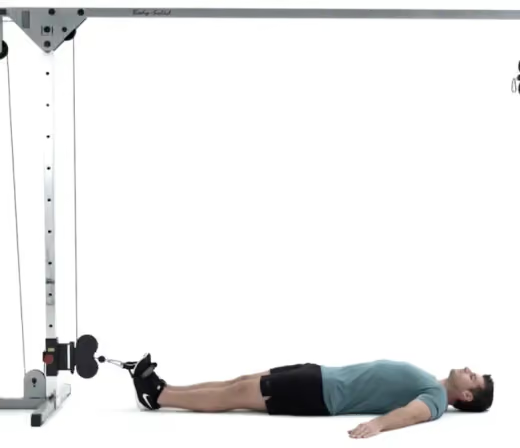
Step 1
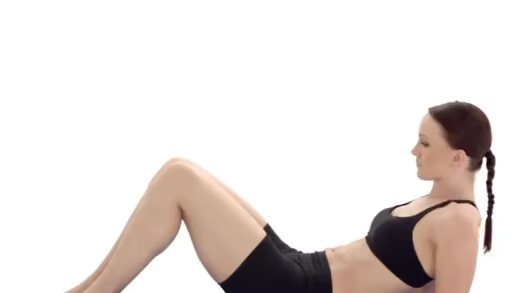
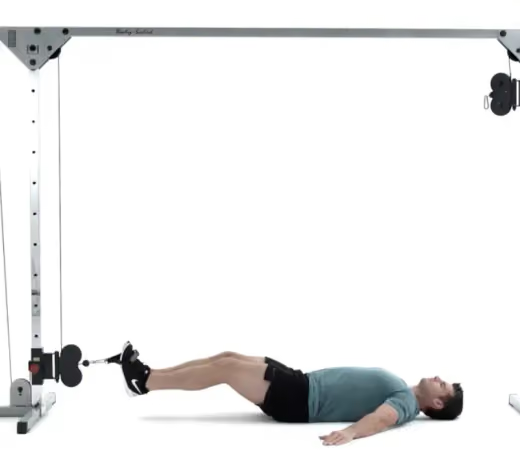
Lie down and elevate your legs with your knees bent to a 90 degree angle.
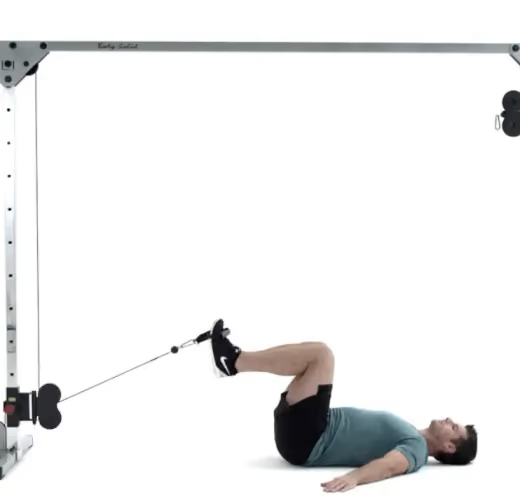
Step 2
With your hands at a 45 degree angle on the floor, bring your knees in towards your torso, keeping your hips on the floor.
Step 3
Pause for a second, then in a slow and controlled manner, bring your legs back to the starting 90 degree position.
3. About the reverse crunch exercise
- Focuses on strengthening the core muscles
- Requires using the legs and upper body in the movement
- Can be done to increase endurance
- Ability to be modified and track progress with reps and sets
4. Benefits of the reverse crunch exercise
Here are some potential benefits of performing this exercise:
- Strengthens the abdominal muscles to improve core strength
- Helps to prevent lower back pain and strain
- Enhances lower body posture by aligning the spine
- Increases flexibility and mobility of the lower back and hip region
5. FAQ on the reverse crunch exercise
What muscles does the reverse crunch target?
The reverse crunch primarily targets the lower abdominal muscles, including the rectus abdominis and the transverse abdominis. It also engages the hip flexors, obliques, and lower back muscles.
How often should I perform the reverse crunch?
The reverse crunch should be performed 2-3 times per week as part of an overall core strengthening program. Be sure to rest at least one day between workouts to allow your muscles to recover.
What should I do if I experience lower back pain during the reverse crunch?
If you experience lower back pain during the reverse crunch, it is important to stop the exercise immediately and consult a medical professional. Lower back pain can be a sign of a more serious underlying condition, and it is important to get it checked out. Additionally, you may need to modify the exercise or use a different exercise to target the same muscles without causing lower back pain.