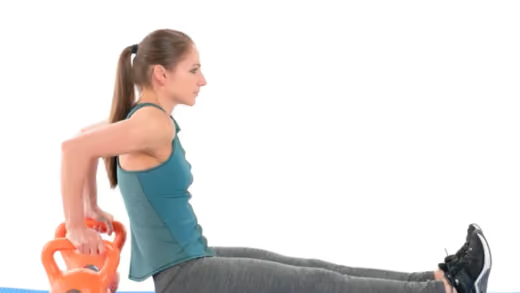
Step-by step guide to the cable reverse fly exercise
Maximize effectiveness: Tips for patients and practitioners
1. Step-by-step video on how to do the cable reverse fly
2. How to perform the cable reverse fly? Follow these instructions:
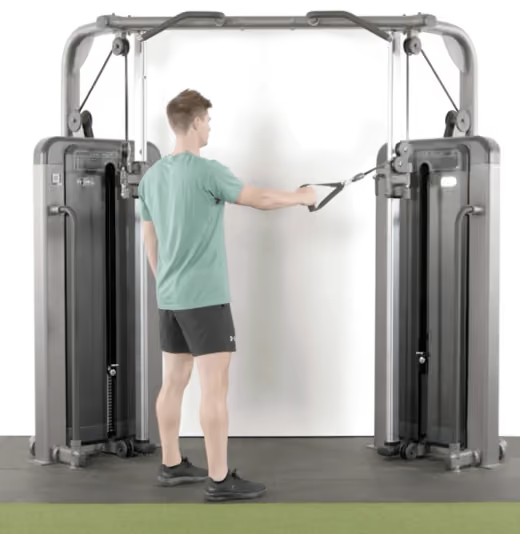
Step 1
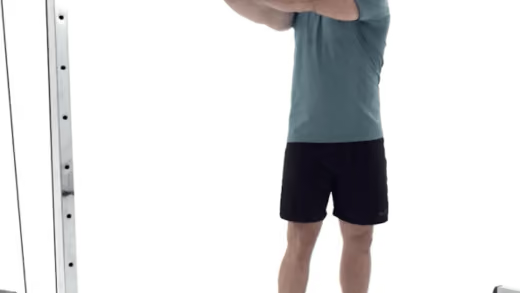
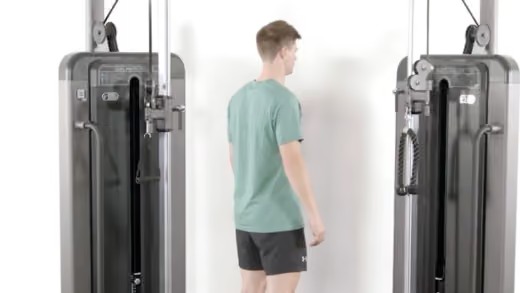
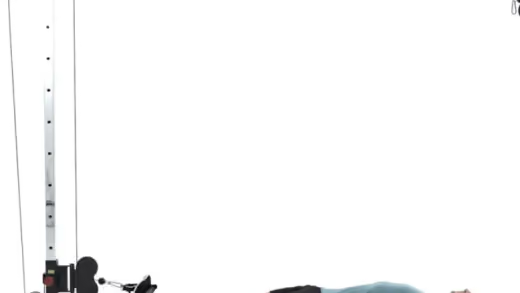
Hold one handle in the arm to be exercised. Step back a little so that there is no slack in the cable when your arm is held directly in front of you.
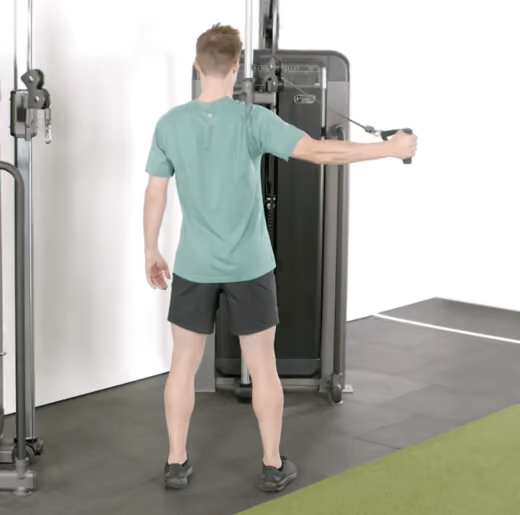
Step 2
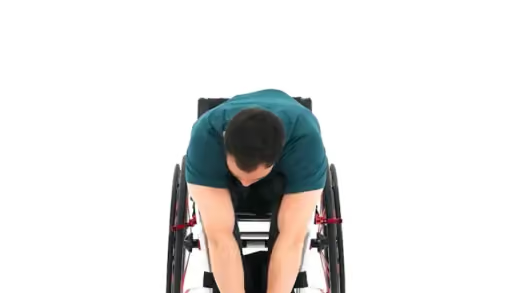
Keeping your gaze ahead, your back neutral and your abdominals strong, move your arm directly out to your side with your elbow soft.
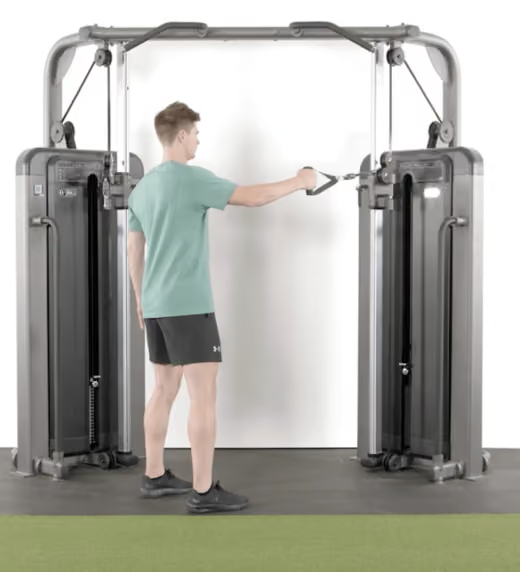
Step 3
Control the movement as you return to the starting position and repeat. Ensure your body does not rotate with the movement.
Targeting the muscle group located in the back, the cable reverse fly exercise offers a range of benefits. From increased stability and coordination to improved shoulder strength and mobility, this exercise is an ideal addition to any resistance training routine.
3. About the cable reverse fly
- Targets your rear deltoids and upper back muscles
- Engages your core muscles
- Strengthens and develops your entire back
- Balance and coordination are important for proper form and technique
- Should be done through a full range of motion but with careful attention to form and control
4. List benefits of cable reverse fly
Here are some potential benefits of performing this exercise:
- Strengthens your chest, shoulders, and upper back muscles.
- Improves postural imbalances and back health.
- Increases your range of motion in the shoulder joint.
- Enhances stability and balance.
- Reduces risk of shoulder injuries.
5. FAQ on cable reverse fly
What muscles does the cable reverse fly target?
The cable reverse fly targets the rear deltoids, rhomboids, and trapezius muscles.
What is the best way to progress with the cable reverse fly?
The best way to progress with the cable reverse fly is to start with a light weight and focus on proper form. Make sure to keep your back straight and your core engaged throughout the exercise. As you become stronger, you can gradually increase the weight and the number of repetitions.
What is the difference between a cable reverse fly and a bent-over row?
The cable reverse fly is a chest exercise that focuses on the muscles of the chest and the back of the arms. It is performed with a cable machine and involves bringing the arms out to the sides and then bringing them back in towards the body. The bent-over row is a back exercise that focuses on the muscles of the back. It is performed with a barbell or a pair of dumbbells and involves bending over at the waist and rowing the weight up towards the chest.
What is the best grip to use for the cable reverse fly?
The best grip to use for the cable reverse fly is a neutral grip, with your palms facing each other. This grip allows for a full range of motion and helps to keep your wrists in a neutral position.