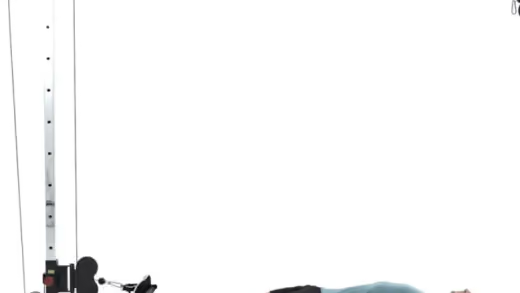
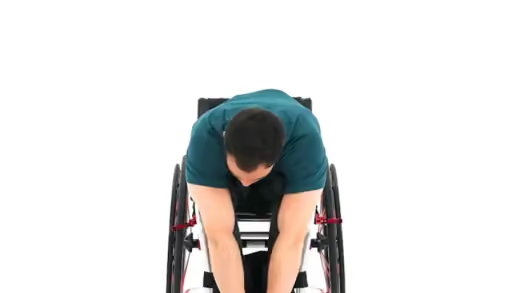
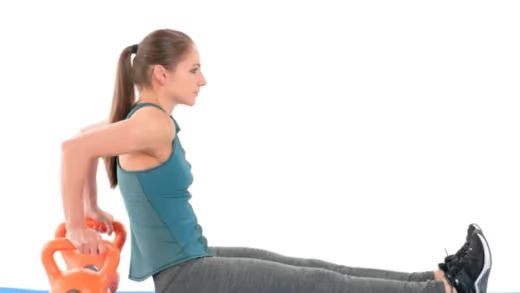
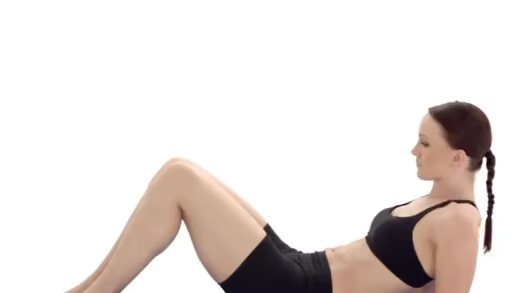
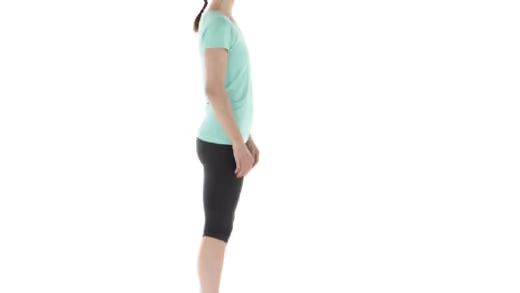
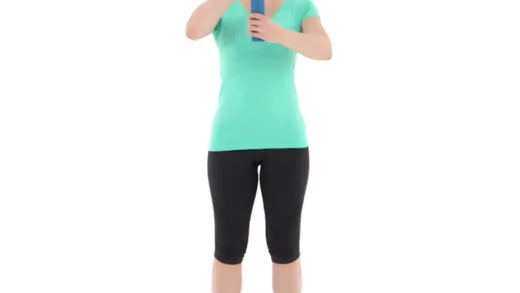
Step-by step guide to the retropulsion exercise
Maximize effectiveness: Tips for patients and practitioners
1. Step-by-step video on how to do the retropulsion exercise
How to perform the Retropulsion
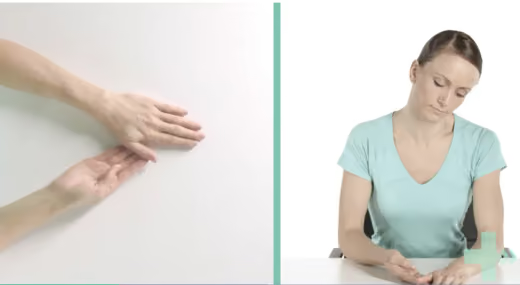
Step 1
Place your forearm and hand on a table with your palm facing down.
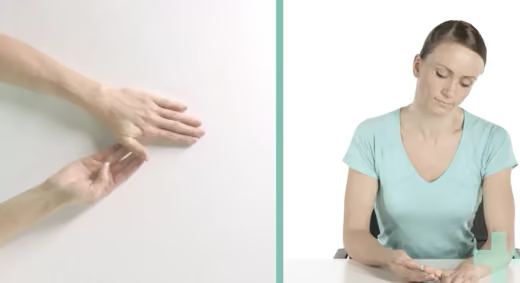
Step 2
Keeping your palm as flat as you can, use your other hand to lift your thumb directly up off the table. Ensure you do not tilt the rest of your hand. Hold this position.
3. About the retropulsion exercise
- Retropulsion can help reduce pain in the lower back while increasing the range of motion in the hips
- It helps with posture and coordination too, as it involves an element of balance and core strength
- The exercise can be done using a resistant band, wall or partner as needed for added support.
4. Benefits of the retropulsion exercise
Here are some potential benefits of performing this exercise:
- Improved posture and core strength
- Enhanced balance and stability
- Increased leg strength and coordination
- Reduced risk of lower-body injuries and back pain
5. FAQ on the retropulsion exercise
What muscles are used in retropulsion?
Retropulsion involves the use of the gluteus maximus, gluteus medius, and quadriceps muscles. The gluteus maximus and gluteus medius are responsible for hip extension and abduction, while the quadriceps are responsible for knee extension.
What are the benefits of retropulsion?
Retropulsion is a maneuvering technique used by spacecraft to slow down or change direction. The benefits of retropulsion include: 1. Increased maneuverability: Retropulsion allows a spacecraft to make quick and precise course corrections, enabling it to navigate more efficiently through space. 2. Reduced fuel consumption: By using retropulsion, a spacecraft can conserve fuel by using its own momentum to slow down or change direction, rather than relying on fuel-consuming thrusters. 3. Increased safety: Retropulsion can be used to avoid potential hazards in space, such as asteroids or other debris.
How often should retropulsion be performed?
Retropulsion should be performed as often as necessary to maintain proper spinal alignment and mobility. Depending on the individual, this may mean performing retropulsion daily, weekly, or monthly. It is important to consult with a qualified physical therapist or chiropractor to determine the best frequency for retropulsion for your specific needs.
How can retropulsion be modified for different fitness levels?
Retropulsion can be modified for different fitness levels by adjusting the intensity of the exercise. For those with a lower fitness level, the exercise can be done at a slower speed and with fewer repetitions. For those with a higher fitness level, the exercise can be done at a faster speed and with more repetitions. Additionally, the resistance level of the exercise can be adjusted to accommodate different fitness levels.