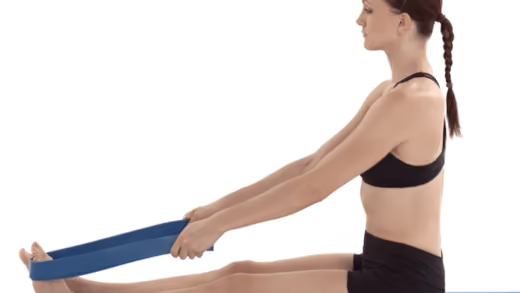
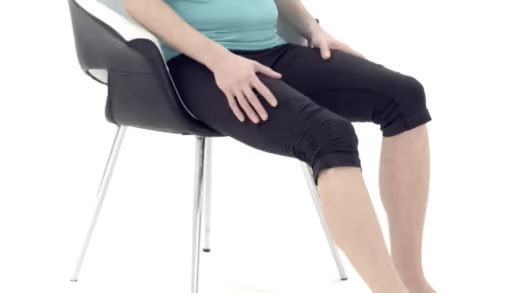
Step-by step guide to the hip flexion exercise
Maximize effectiveness: Tips for patients and practitioners
1. Step-by-step video on how to do the hip flexion
2. How to perform the hip flexion? Follow these instructions:
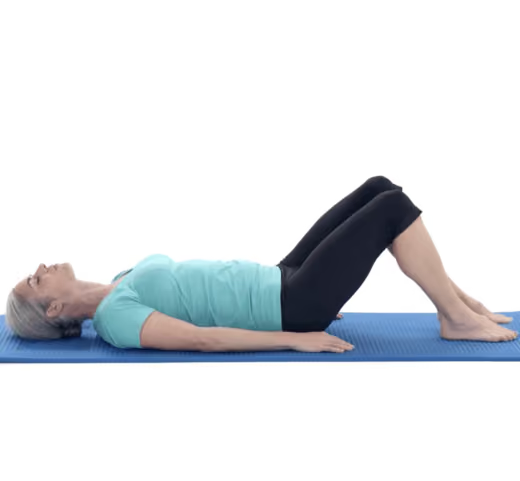
Step 1
Bend your knees so that the feet are flat on the floor.
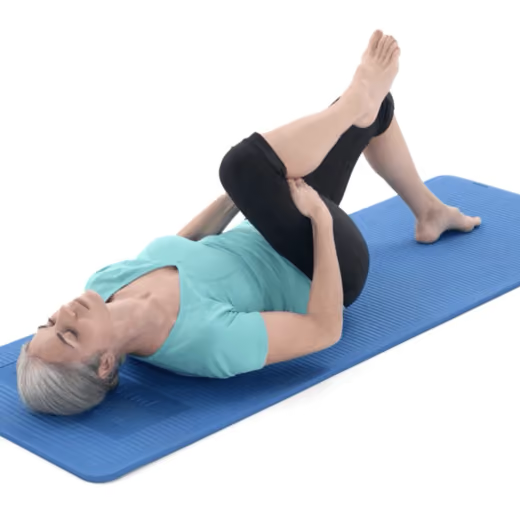
Step 2
Reach underneath your knee and pull the knee in towards your chest as far as you can go comfortably. Hold this position.
3. About the hip flexion
- Hip flexion and extension will help improve mobility and range of motion
- It can be done in many different positions, for example both standing or laying down
- The motion should moving from forward flexion to full extension in a slow, controlled manner
- It works by strengthening the hip muscles such as the gluteus maximus, psoas, and hamstrings
4. List benefits of hip flexion
Here are some potential benefits of performing this exercise:
- Improved hip range of motion.
- Strengthened hip flexors.
- Improved posture.
- Increased balance and stability.
- Strengthened core muscles.
5. FAQ on hip flexion
What is hip flexion?
Hip flexion is a movement of the hip joint in which the thigh is brought up towards the chest. It is the opposite of hip extension, which is the movement of the thigh away from the chest.
What muscles are used in hip flexion?
The muscles used in hip flexion are the iliopsoas, rectus femoris, sartorius, and tensor fasciae latae.
How often should I do hip flexion exercises?
It depends on your fitness goals and current fitness level. Generally, hip flexion exercises can be done two to three times a week, with at least one day of rest in between. It's important to listen to your body and adjust the frequency and intensity of your exercises accordingly.
What are the benefits of hip flexion exercises?
The benefits of hip flexion exercises include improved flexibility, increased range of motion, improved posture, improved balance and coordination, increased strength and power, and improved core stability. Additionally, hip flexion exercises can help reduce pain and discomfort in the lower back, hips, and thighs.