Step-by step guide to the knee flexion exercise
Maximize effectiveness: Tips for patients and practitioners
1. Step-by-step video on how to do the knee flexion
2. How to perform the knee flexion? Follow these instructions:
Step 1
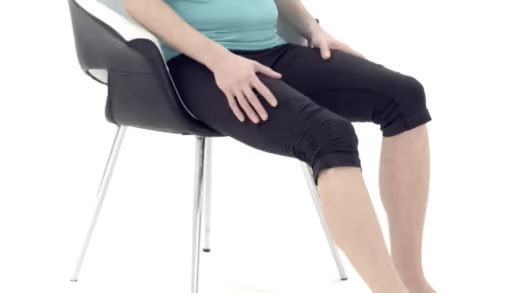
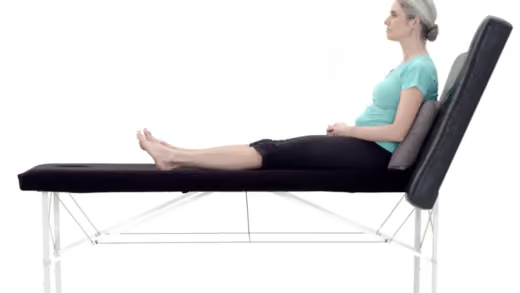
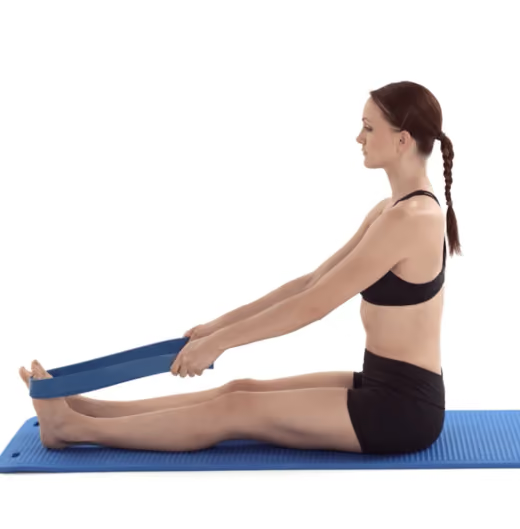
Start in a seated position with your legs straight out in front of you. Place a belt around the end of your affected foot.
Step 2
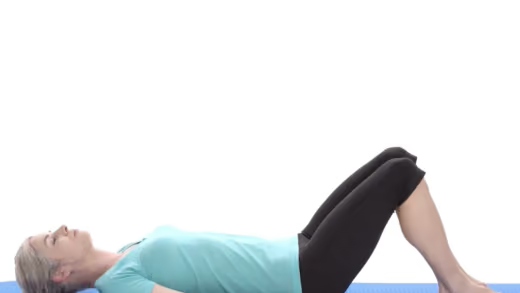
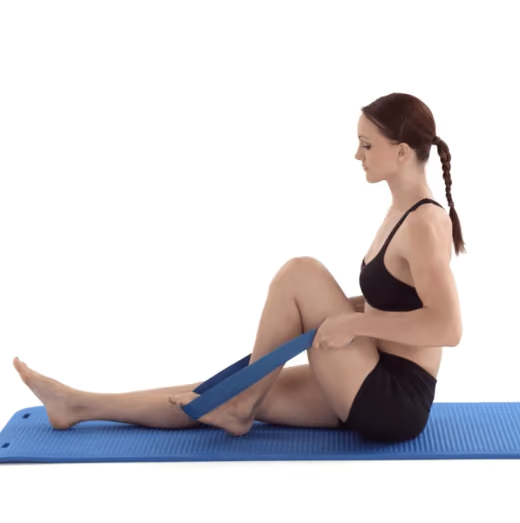
Slide your heel in towards your buttocks as far as you can, keeping your knee pointing directly upwards.
3. About the knee flexion
- Knee flexion and extension exercises can improve knee strength and flexibility.
- Proper form is critical in order to reduce the risk of injury while doing these exercises.
- You should slowly increase the intensity and duration of knee flexion and extension exercises over time.
- You may need to add ankle weights or resistance bands to increase the difficulty.
4. List benefits of knee flexion
Here are some potential benefits of performing this exercise:
- Strengthens knee joint
- Improves flexibility in the knee joint
- Improves balance and coordination
- Reduces risk of knee injuries
- Helps decrease knee pain and swelling
5. FAQ on knee flexion
How often should I perform knee flexion?
It depends on the individual and the severity of the condition. Generally, it is recommended to perform knee flexion exercises several times a day, with each session lasting for 10-15 minutes. It is important to consult with a physical therapist or doctor to determine the best exercise plan for you.
What muscles does knee flexion work?
Knee flexion works the quadriceps muscles (located at the front of the thigh) and the hamstrings (located at the back of the thigh). It also works the gastrocnemius and soleus muscles (located in the calf).
What are the benefits of knee flexion?
Knee flexion can provide a number of benefits, including improved range of motion, increased flexibility, improved stability, improved balance, and improved coordination. It can also help to reduce pain and discomfort in the knee joint, as well as reduce the risk of injury. Additionally, knee flexion can help strengthen the muscles and ligaments around the knee, which can help to improve overall knee health.
What kind of equipment do I need for knee flexion?
For knee flexion exercises, you will need some basic exercise equipment such as an exercise ball, resistance bands, and ankle weights. You may also need a step or bench to perform some of the exercises. Additionally, you may need a foam roller to help with stretching and mobility.
Are there any risks associated with knee flexion?
Yes, there are risks associated with knee flexion. The most common risks are overstretching the ligaments and tendons in the knee, which can cause pain and instability. Other risks include damaging the cartilage in the knee joint, which can lead to arthritis. Additionally, over-flexing the knee can cause the kneecap to become misaligned, which can cause pain and difficulty walking.