Step-by-step guide to the isometric hamstring exercises
Maximize effectiveness: Tips for patients and practitioners
1. Step-by-step video on how to do the isometric hamstring exercises
2. How to perform the isometric hamstring exercises? Follow these instructions:
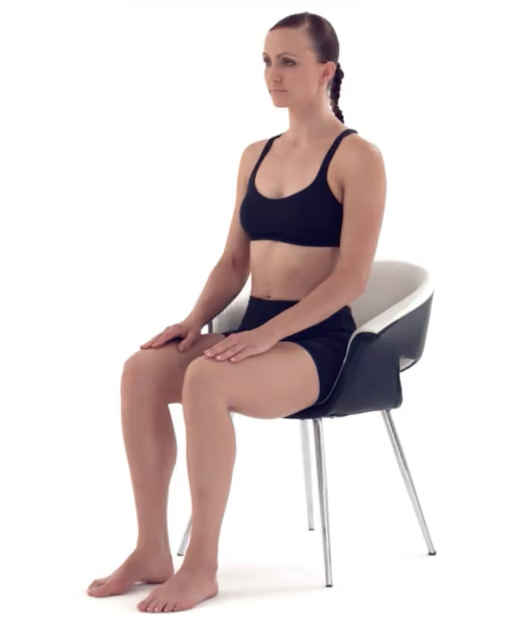
Step 1
Sit in a chair with your legs bent.
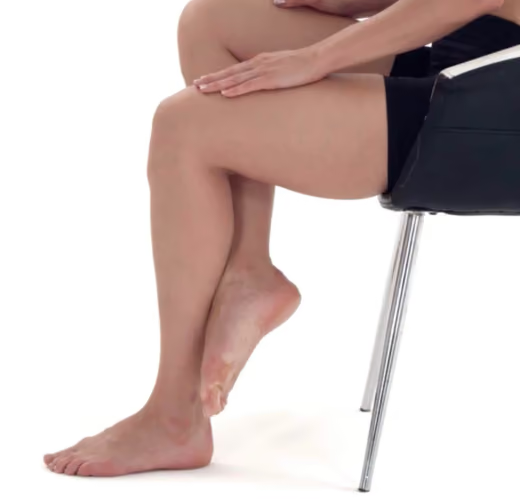
Step 2
Place your good leg behind the calf of your affected leg.
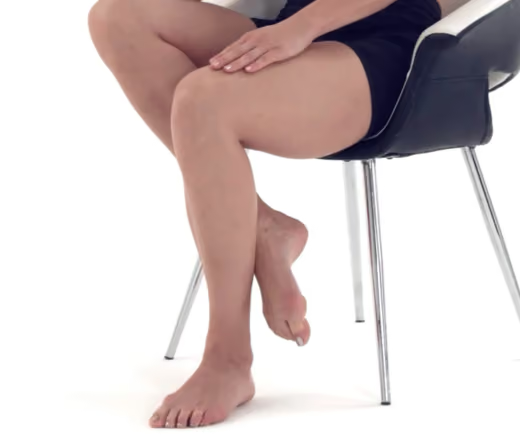
Step 3
Try to bend your affected leg, whilst resisting the movement with your other leg.
3. About the isometric hamstring exercises
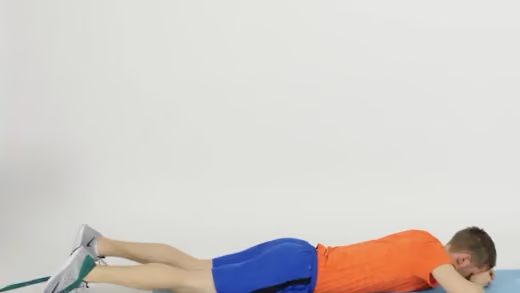
- Isometric hamstring exercises can be performed using a variety of equipment such as resistance bands, stability balls, or weight machines, or they can be performed using bodyweight exercises such as the wall sit or the Nordic hamstring curl.
- The exercises can be performed in a standing or seated position, and can be easily modified to suit different fitness levels and goals.
4. Benefits of isometric hamstring exercises
Here are some potential benefits of performing this exercise:
- Improves hamstring strength and stability
- Reduces the risk of injury to the hamstrings, knees, and lower back
- Improves athletic performance in activities such as running, jumping, and walking
- Relieves discomfort associated with tight or weak hamstrings
5. FAQ on isometric hamstring exercises
How often should I perform isometric hamstring exercises?
The frequency of the exercise will depend on your individual needs and goals. As a general guideline, it's recommended to perform isometric hamstring exercises 2-3 times a week, with at least one day of rest in between to allow the muscles to recover.
How long should I hold the position for each exercise?
The duration of the hold will depend on your individual needs and goals. A general guideline is to hold the position for 10-30 seconds. It's important to listen to your body and avoid any pain or discomfort while performing the exercises.
Can I perform isometric hamstring exercises if I have an injury?
It depends on the injury and the stage of recovery. If you have a recent injury or an injury that causes pain or discomfort when performing the exercises, it's important to check with a healthcare professional before starting.
What equipment do I need to perform isometric hamstring exercises?
You can perform isometric hamstring exercises using a variety of equipment, such as resistance bands, stability balls, or weight machines, or you can use bodyweight exercises such as the wall sit or the Nordic hamstring curl. The choice of equipment will depend on your individual needs and goals.