Step-by-step guide to the shoulder rolls exercise
Maximize effectiveness: Tips for patients and practitioners
1. Step-by-step video on how to do the shoulder rolls exercise
2. How to perform the shoulder rolls exercise? Follow these instructions:
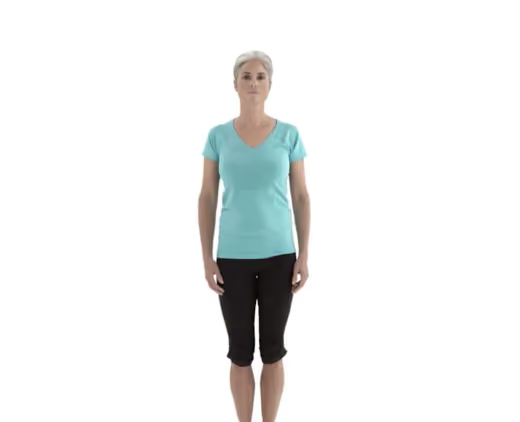
Step 1
Stand upright and prepare to start the shoulder roll exercise.

Step 2
Shrug your shoulders up towards your ears; now slowly roll them backwards and downwards whilst trying to squeeze your shoulder blades together.

Step 3
Relax and return back the starting position and repeat as directed.
3. About the shoulder rolls exercise
- Shoulder rolls are a simple exercise used to warm up and stretch the shoulders.
- The exercise involves rolling the shoulders forward and backward in a circular motion, and can help to relieve tension and improve mobility in the shoulder joint.
- It is typically performed as part of a warm-up routine before physical activity or as a standalone exercise to improve shoulder health and prevent injury.
- It is a low-impact exercise and can be performed by people of all fitness levels.
4. Benefits of shoulder rolls exercise
Here are some potential benefits of performing this exercise:
- Increases flexibility and range of motion in the shoulder joint
- Reduces tension and stiffness in the shoulders
- Improves circulation and oxygen flow to the shoulder muscles
5. FAQ on shoulder rolls exercise
Is shoulder rolls a good warm-up exercise?
Yes, shoulder rolls are a great warm-up exercise as they help to loosen up the shoulder joints, increase circulation, and reduce tension in the muscles.
What muscles does the shoulder roll exercise target?
The shoulder roll exercise primarily targets the shoulder muscles, including the rotator cuff, deltoids, and trapezius.
Can shoulder rolls help with shoulder pain?
Shoulder rolls can help relieve tension in the shoulder muscles and improve circulation, which can potentially help reduce shoulder pain. However, if you are experiencing persistent or severe shoulder pain, it is best to consult a doctor or physical therapist.