Step-by step guide to the seated calf raises exercise
Maximize effectiveness: Tips for patients and practitioners
1. Step-by-step video on how to do the seated calf raises exercise
How to perform the Seated Calf Raises
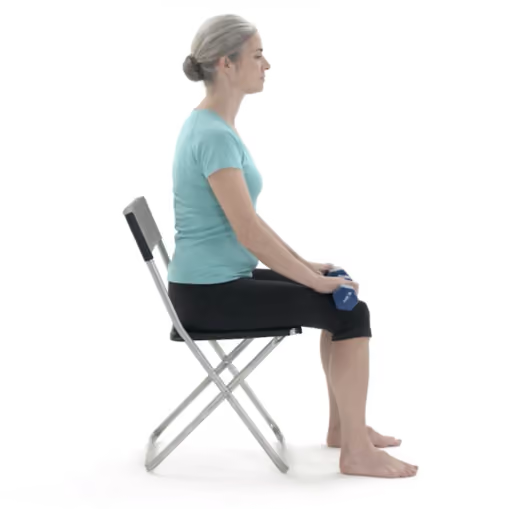
Step 1
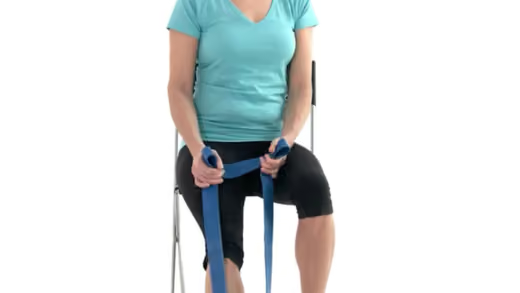
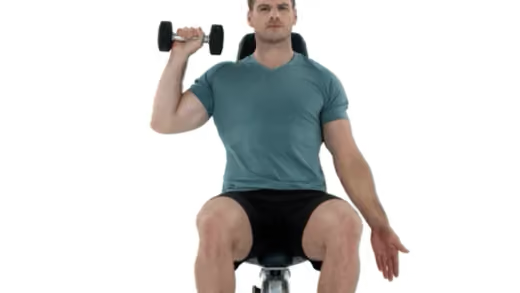
Sit with a weighted object on your knees.
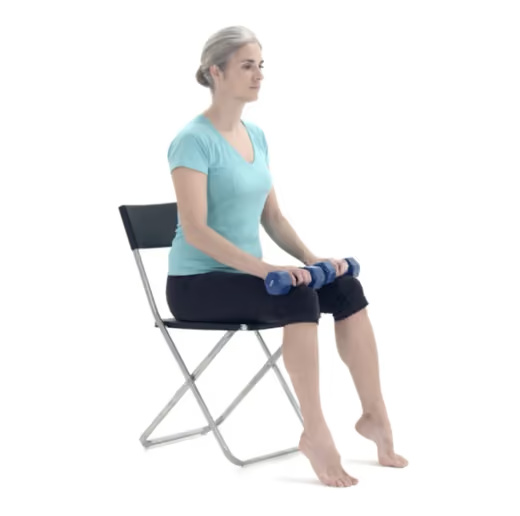
Step 2
Raise up and down on to your toes, controlling the movement back to the start position.
3. About the seated calf raises exercise
- Strengthens the calves and improves Achilles tendon range of motion
- Can be done with dumbbells for increased resistance
- Move slowly and smoothly to get the most out of the exercise
- Avoid locking the knees at the top of the range for maximum benefit
4. Benefits of the seated calf raises exercise
Here are some potential benefits of performing this exercise:
- Strengthens the calves.
- Improves range of motion in the ankles.
- Reduces risk of ankle or foot injury.
- Activates and strengthens the muscles surrounding the calves to improve posture.
5. FAQ on the seated calf raises exercise
What muscles does the seated calf raise target?
The seated calf raise targets the gastrocnemius and soleus muscles.
How often should I perform seated calf raises?
It is recommended to perform seated calf raises two to three times per week as part of a comprehensive lower body workout routine. Be sure to rest at least one day between workouts to allow your muscles to recover and rebuild.
How many sets and reps should I do for seated calf raises?
The number of sets and reps you should do for seated calf raises depends on your fitness goals. If you are looking to build muscle, you should aim for 3-4 sets of 8-12 reps. If you are looking to increase strength, you should aim for 4-6 sets of 4-6 reps.
What are the benefits of performing seated calf raises?
Seated calf raises can help to strengthen and tone the calves, which can improve overall balance and stability. Additionally, they can help to improve posture, reduce the risk of ankle and knee injuries, and increase circulation in the lower legs. Finally, they can also help to improve the range of motion in the ankles, which can help with activities such as running and jumping.