Step-by-step guide to Calf Raises on an Unstable Surface
Maximize effectiveness: Tips for patients and practitioners
1. Step-by-step how to do Calf Raises on an Unstable Surface
2. How to perform Calf Raises on an Unstable Surface. Follow these instructions.
Step 1
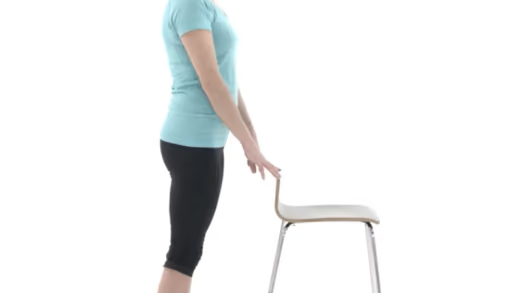
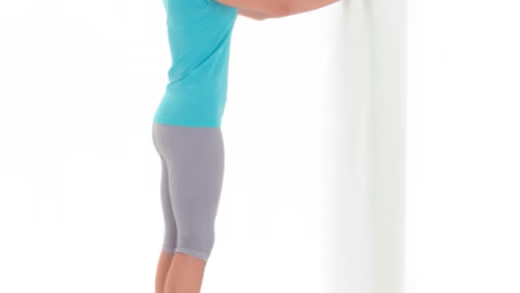
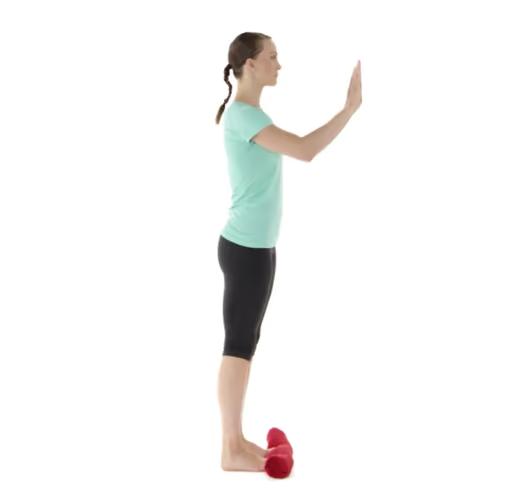
Stand up straight facing a wall or supportive surface. Position a rolled towel on the floor. Place your toes onto the towel.
Step 2
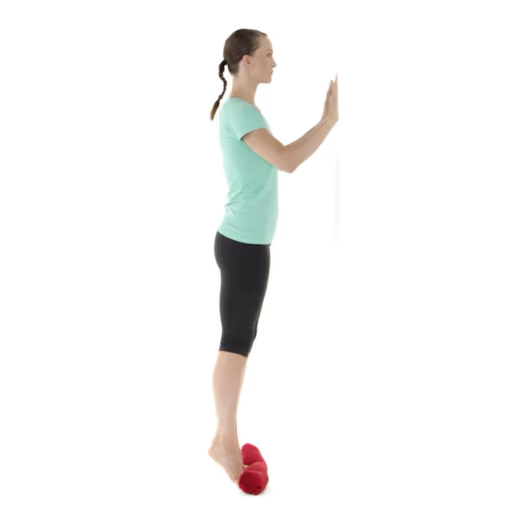
Perform a calf raise, pushing up onto your toes. Hold this position. Control the movement as you slowly lower your heels back down to the floor. Ensure you keep your knees straight throughout the movement.
3. About Calf Raises on an Unstable Surface
- Calf raise exercise on an unstable surface - Targets calf muscles and improves ankle stability - Enhances lower leg strength
4. Benefits of Calf Raises on an Unstable Surface
Here are some potential benefits of performing this exercise:
- Targets calf muscles - Improves ankle stability - Enhances proprioception
5. FAQ on Calf Raises on an Unstable Surface
How do I perform Calf Raises on an Unstable Surface?
Stand on an unstable surface (e.g., BOSU ball) and perform calf raises.
Why use an unstable surface?
Increases ankle stability, strengthens calf muscles, and engages stabilizing muscles.
Can I do this exercise without equipment?
Yes, you can perform calf raises on a flat surface without any equipment.
How can I progress in this exercise?
Gradually increase the duration of the exercise and try single-leg calf raises for added challenge.