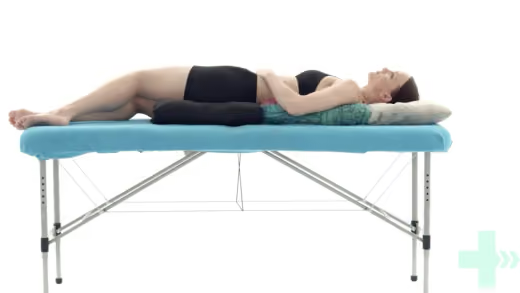
Step-by step guide to the posterior tilting of the pelvis exercise
Maximize effectiveness: Tips for patients and practitioners
1. Step-by-step video on how to do the posterior tilting of the pelvis exercise
How to perform the Posterior Tilting Of The Pelvis
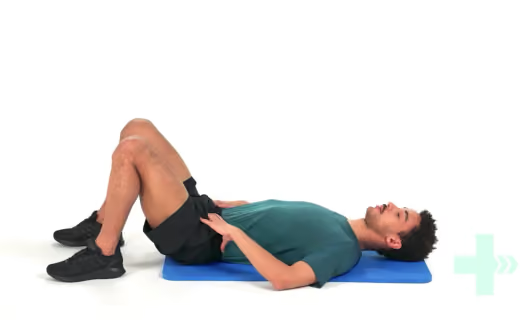
Step 1
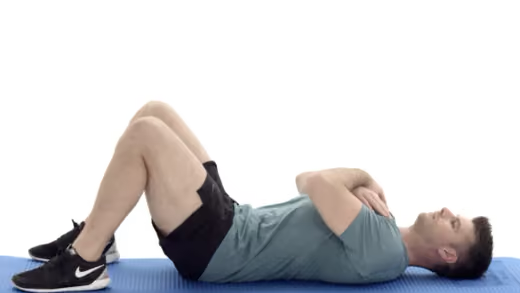
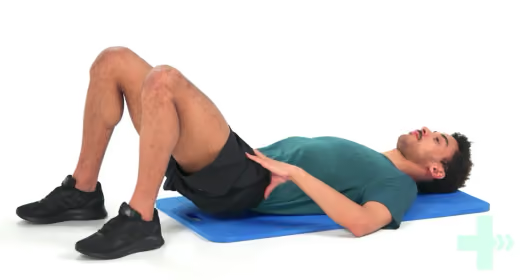
Lie on your back with your knees bent and feet flat on the floor.
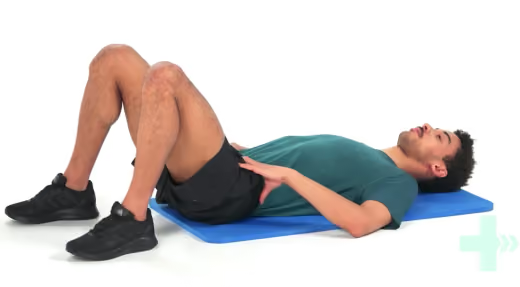
Step 2
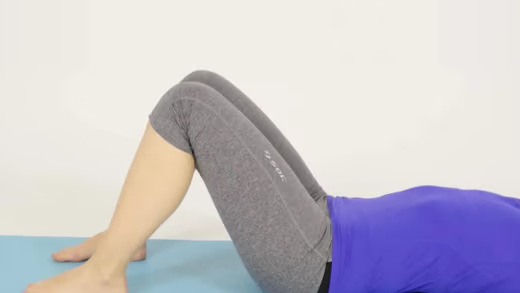
Soften your spine and breathe evenly. Gently press into the floor with your feet and tilt your pubic bone towards your chin, opening up the spine at the back.
Step 3
Continue rolling your pelvis until your hips are slightly lifted from the floor and your spine is relaxed.
Step 4
Slowly lower your pelvis back to the starting position.
3. About the posterior tilting of the pelvis exercise
- Strengthens the abdominal and back muscles
- Relieves lower back and hip pain
- Improves posture, core stability, and balance
- Helps prevent further injury and pain by mobilizing the lumbar spine
4. Benefits of the posterior tilting of the pelvis exercise
Here are some potential benefits of performing this exercise:
- Improved postural alignment and increased stability in the spine, hips, and legs
- Improved mobility of the hips and lower body
- Reduced tension in the lower back muscles
- Reduced risk of lower back injury and pain
5. FAQ on the posterior tilting of the pelvis exercise
What muscles are used in posterior tilting of the pelvis?
The muscles used in posterior tilting of the pelvis are the gluteus maximus, hamstrings, and erector spinae.
What is the purpose of posterior tilting of the pelvis?
The purpose of posterior tilting of the pelvis is to help maintain proper spinal alignment and reduce strain on the lower back. This helps to improve posture and reduce the risk of back pain and injury. It also helps to improve balance and stability, allowing for more efficient movement.
How often should I perform posterior tilting of the pelvis?
The frequency of posterior tilting of the pelvis depends on the individual's needs. Generally, it is recommended to perform posterior tilting of the pelvis at least once per day, or more often if needed.