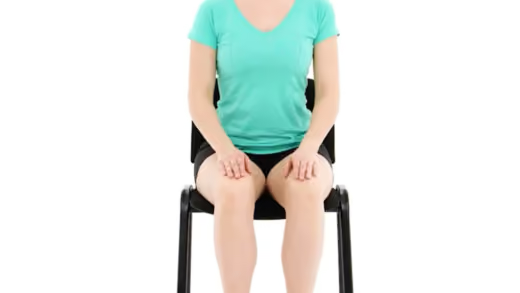
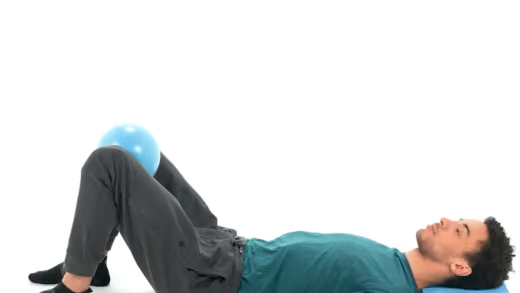
Step-by step guide to the posterior pelvic tilt exercise
Maximize effectiveness: Tips for patients and practitioners
1. Step-by-step video on how to do the posterior pelvic tilt exercise
How to perform the Posterior Pelvic Tilt
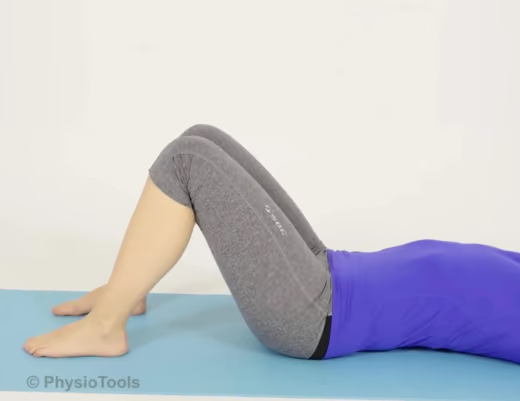
Step 1
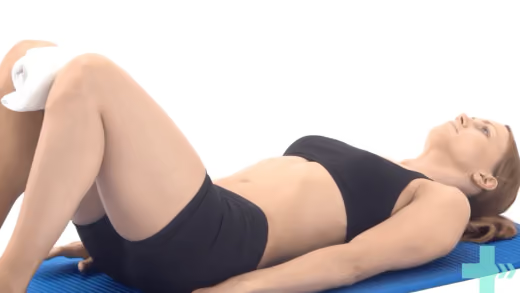
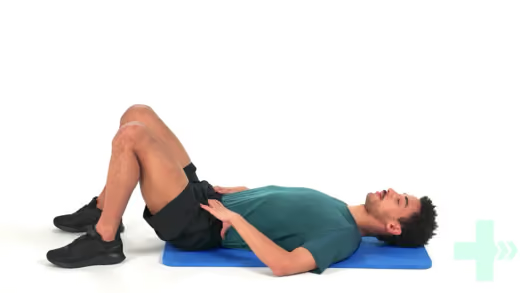
Lie on your back with knees bent.
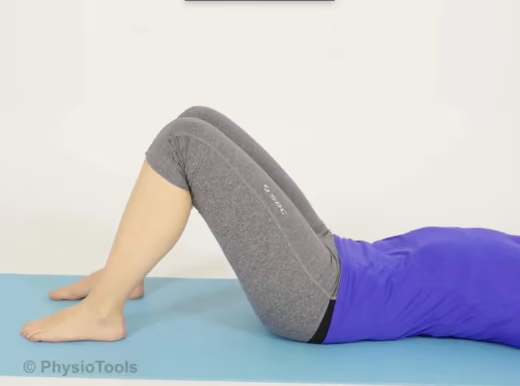
Step 2
Draw in your lower abdominal and pelvic floor muscles. Tilt the pelvis backwards so that your lower back flattens into the floor. Then relax.
3. About the posterior pelvic tilt exercise
- Strengthens and stabilizes the abdominal, gluteal, and back muscles.
- Can open up the hip flexor muscles, which can reduce tension in the joint and increase mobility
- Improves balance, proprioception, and coordination
- Can reduce stress on the lumbar spine and thoracic spine.
4. Benefits of the posterior pelvic tilt exercise
Here are some potential benefits of performing this exercise:
- Increases mobility of the hips and low back.
- Improves balance and posture.
- Alleviates lower back pain and tension.
- Boosts circulation to the back area, improving recovery and healing.
5. FAQ on the posterior pelvic tilt exercise
What muscles are used during a posterior pelvic tilt?
The primary muscles used during a posterior pelvic tilt are the gluteus maximus, hamstrings, and lower back muscles. Additionally, the hip flexors, abdominals, and obliques are also used to stabilize the movement.
What are the benefits of a posterior pelvic tilt?
The benefits of a posterior pelvic tilt include improved posture, improved core strength, improved hip mobility, improved hip stability, and improved lower back health. Additionally, it can help reduce lower back pain, improve abdominal strength, and reduce the risk of lower back injury.
How often should I do a posterior pelvic tilt?
It is recommended to do a posterior pelvic tilt at least once a day, or more if needed. This exercise can help to improve posture, reduce back pain, and increase flexibility. It is important to listen to your body and adjust the frequency of the exercise accordingly.