Step-by step guide to the pelvic tilt exercise
Maximize effectiveness: Tips for patients and practitioners
1. Step-by-step video on how to do the pelvic tilt exercise
How to perform the Pelvic Tilt
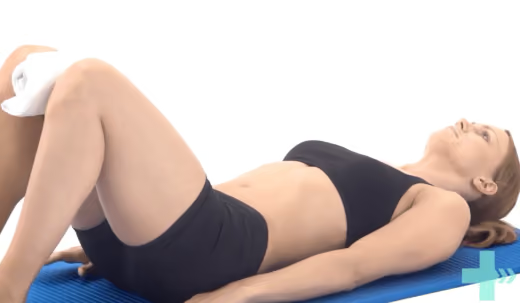
Step 1
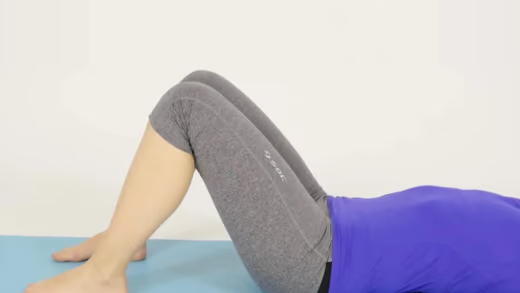
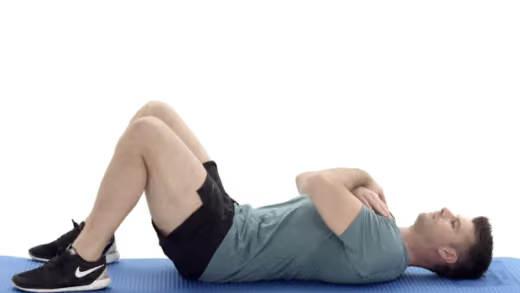
Lie on your back with your legs bent and place a small towel between your knees. Keep your feet hip width apart. Take a deep breath in, allowing your tummy to inflate.
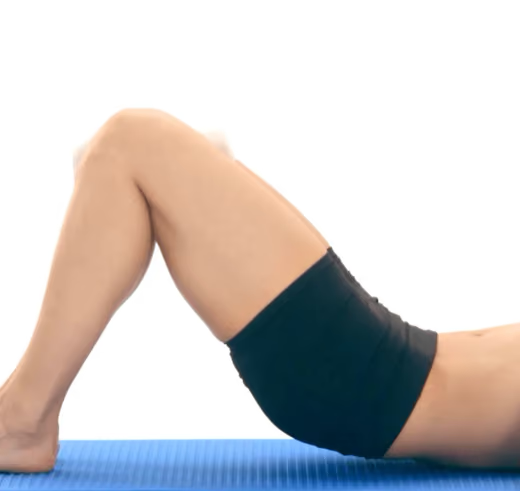
Step 2
As you breathe out, gather your tummy, your pelvic floor and add the pelvic tilt by pushing your heels down, tilting your pelvis upwards so it just off the mat to a height of 1 to 2 inches.

Step 3
Breathe in and lower your pelvis back down, making sure you roll down one vertebra at a time, relax your pelvis.
3. About the pelvic tilt exercise
- Helps reduce lower back pain
- Correlates to improved posture
- Lays the foundation for other core stabilization exercises
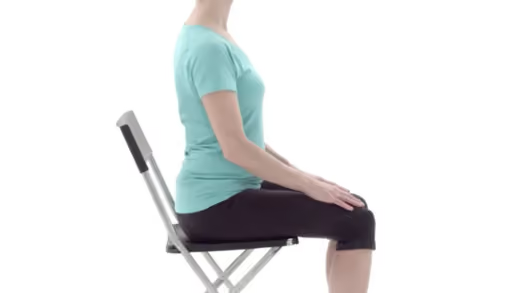
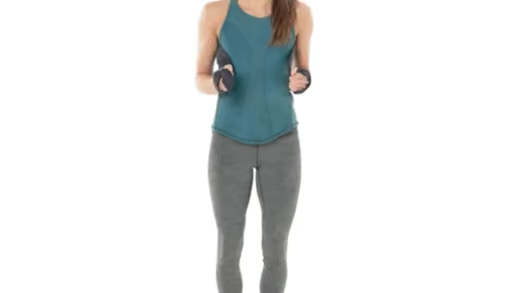
- Can be done sitting, standing or lying down
4. Benefits of the pelvic tilt exercise
Here are some potential benefits of performing this exercise:
- Decreases lower back pain
- Strengthens core muscles
- Enhances flexibility
- Increases range of motion in the pelvic region
5. FAQ on the pelvic tilt exercise
What is a pelvic tilt?
A pelvic tilt is a type of exercise that helps to strengthen and stretch the muscles in the lower back, hips, and abdomen. It involves lying on your back and gently arching your lower back while pushing your hips up. This helps to improve posture, reduce lower back pain, and improve core strength.
What are the benefits of performing a pelvic tilt?
The benefits of performing a pelvic tilt include improved posture, improved core strength, improved flexibility in the lower back, and improved balance. Additionally, it can help to reduce pain in the lower back and hips, and can help to improve circulation in the lower body.
What muscles are used in a pelvic tilt?
The pelvic tilt is a core exercise that primarily works the abdominal muscles, specifically the rectus abdominis and the transverse abdominis. It also engages the hip flexors, glutes, and lower back muscles.