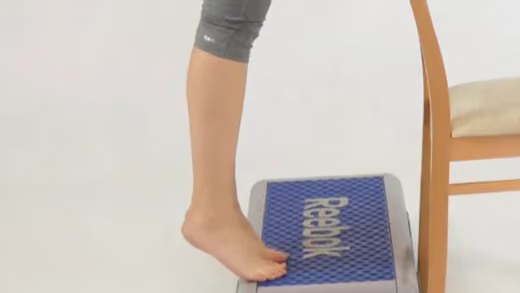
Step-by step guide to the heel dig exercise
Maximize effectiveness: Tips for patients and practitioners
1. Step-by-step video on how to do the heel dig
2. How to perform the heel dig? Follow these instructions:
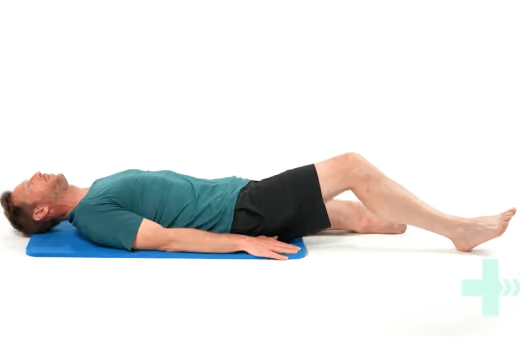
Step 1
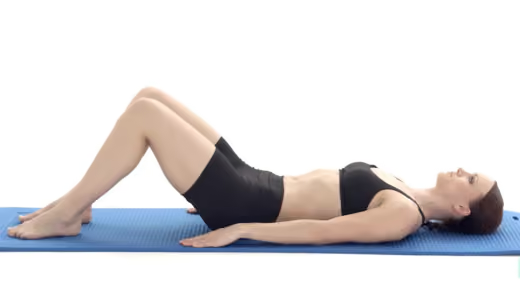
Lie on your back and bend the knee of your sound leg to an angle as instructed by your clinician.
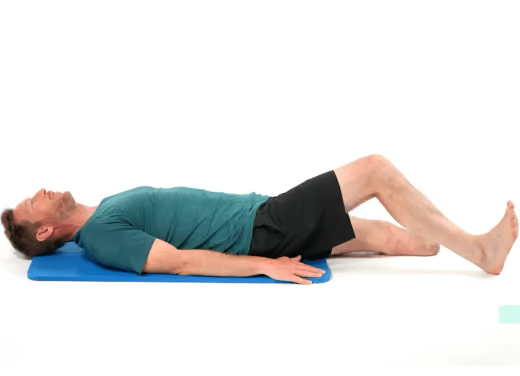
Step 2
Pull your toes towards you. Gently push your heel into the floor.
3. About the heel dig
- This exercise helps improve agility and balance.
- To perform a heel dig, stand on one foot with the other foot off the ground.
- Bend the knee of your off-foot and bring your heel to the ground.
- Push off your heel and switch legs.
4. List benefits of heel dig
Here are some potential benefits of performing this exercise:
- Strengthening of the calves, thighs, and lower leg muscles
- Improved balance and coordination
- Improved posture and mobility
- Reduced risk of injury to the ankles, feet, and knees
- Increased power, speed, and agility
5. FAQ on heel dig
What muscles are targeted when doing heel digs?
Heel digs target the calf muscles, specifically the gastrocnemius and soleus. Additionally, the muscles of the lower leg, such as the tibialis anterior, peroneals, and quadriceps, are also engaged to a lesser degree.
How often should I do heel digs?
Heel digs should be done at least once a week. However, if you are a runner or athlete, it is recommended that you do them two to three times a week.
How can I progress my heel digs?
To progress your heel digs, start by increasing the weight you are using and the number of repetitions you are doing. You can also try adding a pause at the bottom of the movement and/or increasing the range of motion. Additionally, you can add a jump at the end of the movement or add a plyometric element such as hopping or skipping.
What are the benefits of heel digs?
Heel digs can provide a number of benefits, including: • Strengthening the muscles in the lower legs, ankles, and feet. • Improving balance and coordination. • Increasing flexibility in the lower body. • Improving posture. • Improving running speed and agility. • Reducing the risk of injury.