Step-by-step guide to Figure-Eight Balance
Maximize effectiveness: Tips for patients and practitioners
1. Step-by-step how to do Figure-Eight Balance
2. How to perform Figure-Eight Balance. Follow these instructions.
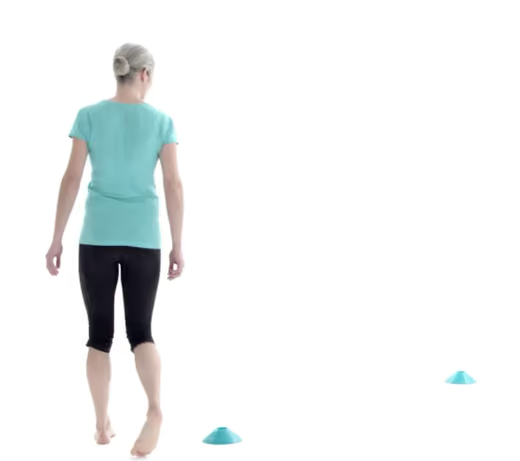
Step 1
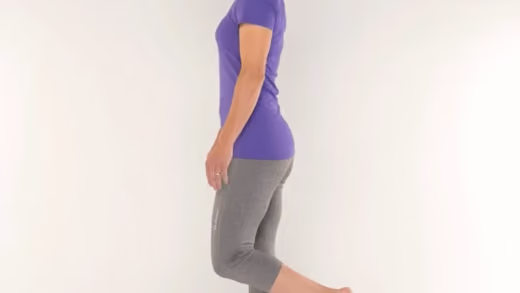
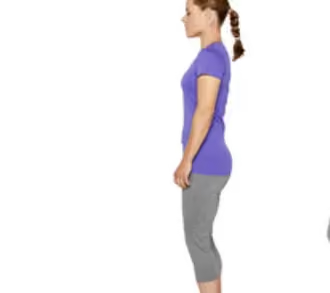
Stand up straight. Place two cones, or similar objects, on the floor in front of you approximately three meters apart. Walk slowly in a ‘figure 8’ pattern around the objects. Pass the first cone to the right and the second to the left. Turn around to complete the 'figure 8' back to your starting position.
3. About Figure-Eight Balance
- Balancing on one leg while tracing a figure-eight pattern - Challenges stability and coordination - Improves ankle strength
4. Benefits of Figure-Eight Balance
Here are some potential benefits of performing this exercise:
- Challenges stability and coordination - Improves ankle strength - Enhances overall balance
5. FAQ on Figure-Eight Balance
How do I practice the figure-eight balance exercise?
Stand on one leg and trace a figure-eight pattern with the other leg, challenging stability and balance.
What are the benefits of the figure-eight balance exercise?
Improves balance, stability, and engages the muscles of the lower body and core.
Can I perform figure-eight balance with my eyes closed?
Yes, closing your eyes adds an additional challenge, requiring increased proprioception and balance control.
Is this exercise suitable for beginners?
Beginners can start with slow and controlled movements, gradually increasing speed and complexity as they progress.