Step-by step guide to the dead hang exercise
Maximize effectiveness: Tips for patients and practitioners
1. Step-by-step video on how to do the dead hang
2. How to perform the dead hang? Follow these instructions:
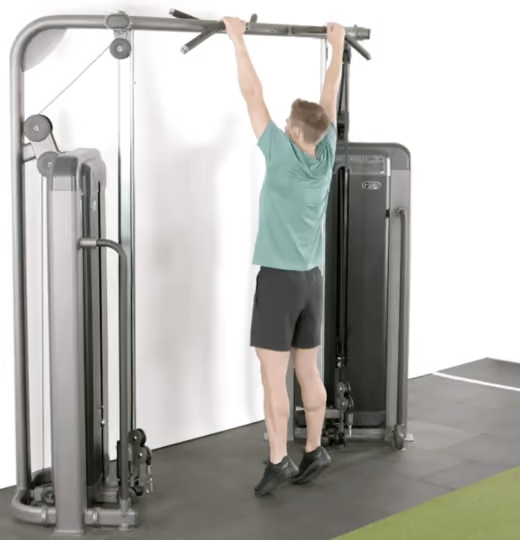
Step 1
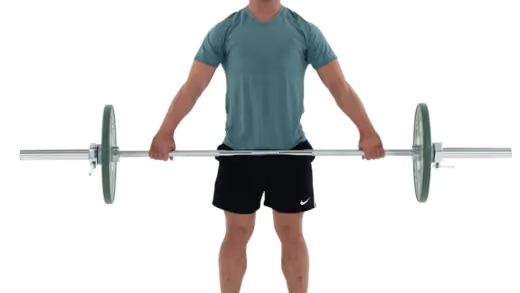
Hold onto the bar with your hands shoulder width apart.
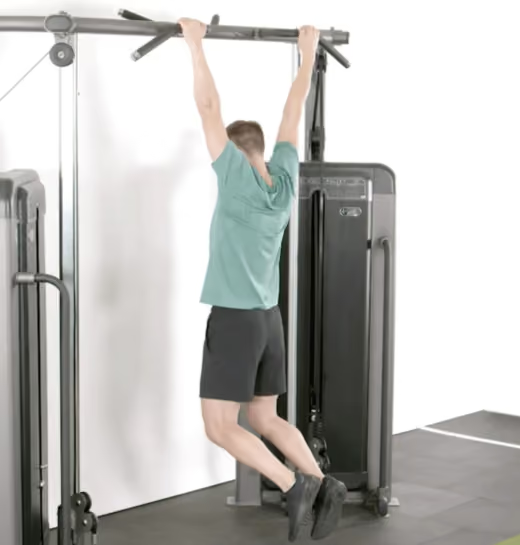
Step 2
Keeping your arms straight, slowly lift your feet off the floor. Ensure you concentrate on steady deep breaths, and keep your buttock muscles engaged. Hold this position.
3. About the dead hang
- A dead hang is a type of body weight exercise that involves hanging from an elevated surface.
- It works your arms, shoulders, back and core muscles.
- It helps to increase your grip strength and improve your posture.
- To perform a dead hang, start by grasping an elevated surface with your palms facing away from you.
- Support your bodyweight and hold the position for as long as possible.
4. List benefits of dead hang
Here are some potential benefits of performing this exercise:
- Strengthens grip and fingers
- Improves shoulder mobility
- Strengthens core muscles
- Improves posture
- Increases overall body strength
5. FAQ on dead hang
What muscles does a dead hang work?
A dead hang works the muscles in the arms, shoulders, and back, including the biceps, triceps, deltoids, rhomboids, and trapezius. It also works the core muscles, such as the rectus abdominis, obliques, and erector spinae.
How long should I hold a dead hang?
The amount of time you should hold a dead hang depends on your fitness level and goals. Generally, beginners should aim to hold a dead hang for 10-15 seconds, while more experienced exercisers may be able to hold it for up to 30 seconds.
What are the safety precautions for a dead hang?
1. Start with a light weight and gradually increase the weight as you become more comfortable. 2. Make sure you are using a secure bar or pull-up bar. 3. Keep your grip tight and your arms straight. 4. Don’t swing or jerk your body. 5. Don’t hold your breath. 6. Keep your head and neck in a neutral position. 7. Don’t overextend your arms or shoulders. 8. Stop if you feel any pain or discomfort. 9. Make sure to warm up and cool down before and after your workout.
How often should I do a dead hang?
It is recommended to do a dead hang at least once a week. However, depending on your fitness level, you may want to do it more often. If you are just starting out, you may want to do it every other day. If you are more experienced, you can do it every day.