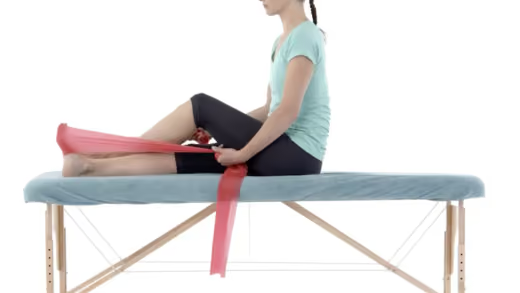
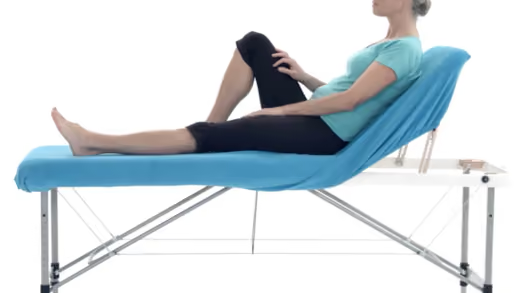
Step-by step guide to the ankle dorsiflexion and plantarflexion exercise
Maximize effectiveness: Tips for patients and practitioners
1. Step-by-step on how to do ankle dorsiflexion and plantarflexion.
2. How to perform ankle dorsiflexion and plantarflexion. Follow these instructions.
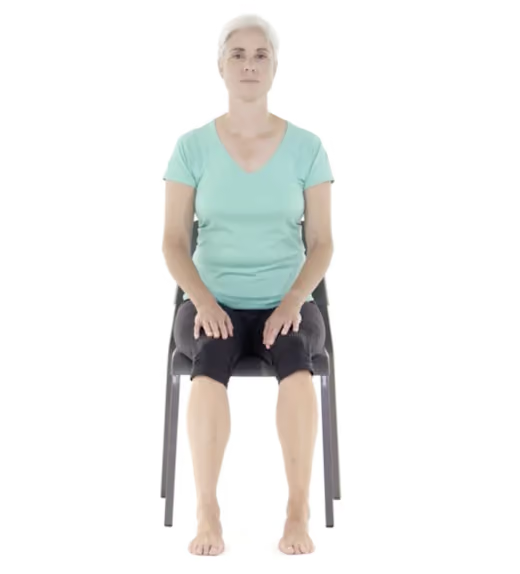
Step 1
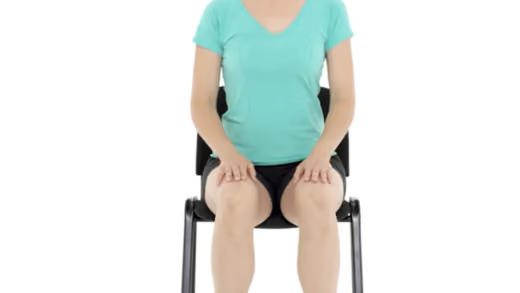
Sit up straight in a chair. Place your feet flat on the floor hip-distance apart.
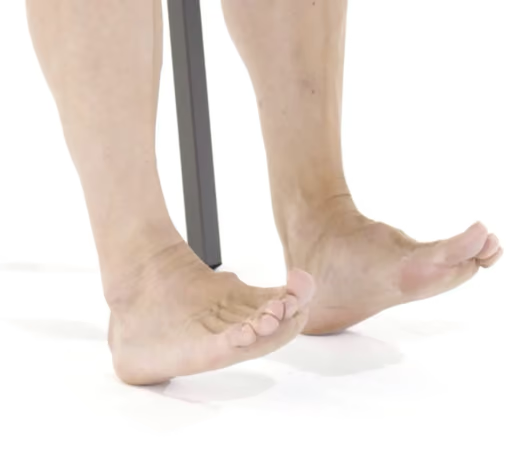
Step 2
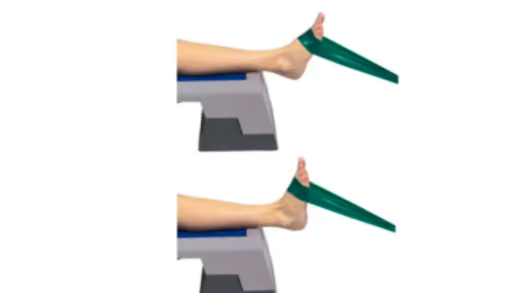
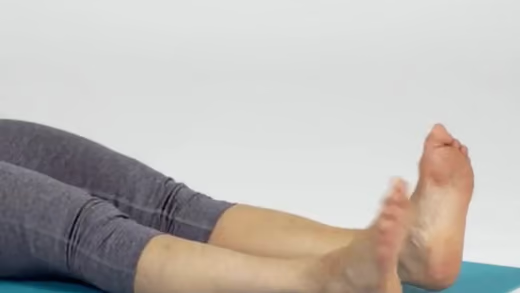
Lift your heels up and then lower. Lift your toes up and then lower.
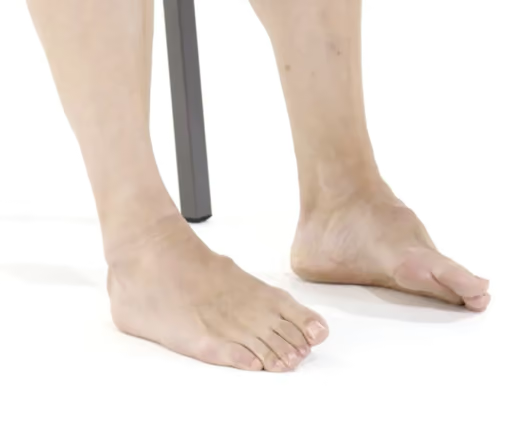
Step 3
Lift the inside of your feet up, rolling onto the outer edge of your feet, and then lower.
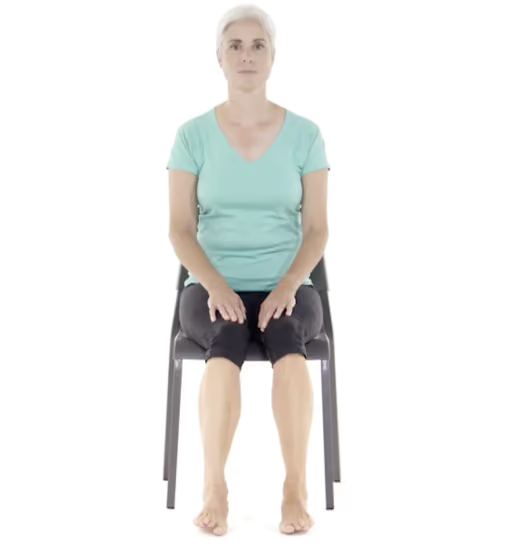
Step 4
Lift the outside of your feet up, rolling onto the inner edge of your feet, and then lower.
3. About ankle dorsiflexion and plantarflexion.
- Ankle dorsiflexion and plantarflexion are exercises that involve moving your foot in a up-and-down motion.
- This exercise can benefit those who suffer from lower-leg injuries, plantar fasciitis, or any other foot condition.
- Ankle dorsiflexion and plantarflexion should be done in a controlled and slow motion.
- Make sure that you perform the exercise with a full range of motion to ensure proper strengthening.
4. Benefits of the ankle dorsiflexion and plantarflexion exercise
Here are some potential benefits of performing this exercise:
- Improved ankle range of motion
- Reduced risk of ankle sprains
- Improved muscular balance in the lower leg
- Improved sport performance and agility.
5. FAQ on ankle dorsiflexion and plantarflexion.
What muscles are involved in ankle dorsiflexion and plantarflexion?
The muscles involved in ankle dorsiflexion and plantarflexion are the Tibialis Anterior, Extensor Digitorum Longus, Extensor Hallucis Longus, and Peroneus Longus and Brevis.
How often should I do ankle dorsiflexion and plantarflexion?
It is recommended to do ankle dorsiflexion and plantarflexion exercises daily to maintain flexibility and strength in the ankle joint. If you are rehabilitating an ankle injury, you may need to do these exercises more frequently, such as several times a day.
What are the most common mistakes people make when performing ankle dorsiflexion and plantarflexion?
The most common mistakes people make when performing ankle dorsiflexion and plantarflexion are not keeping the knee straight, not using the full range of motion, and not controlling the movement. Additionally, people often forget to engage the muscles in the calf and ankle, which can lead to improper form and decreased effectiveness of the exercise.
What should I do if I experience pain while performing ankle dorsiflexion and plantarflexion?
If you experience pain while performing ankle dorsiflexion and plantarflexion, it is important to stop the activity and rest your ankle. You should also apply ice to the affected area and consult with a doctor or physical therapist to determine the cause of the pain and the best course of treatment.