

Step-by-step guide to the toe step
Maximize effectiveness: Tips for patients and practitioners
Step-by-step guide to the toe step
Maximize effectiveness: Tips for patients and practitioners

1. Step-by-step video on how to do the toe step

2. How to perform the toe step? Follow these instructions:
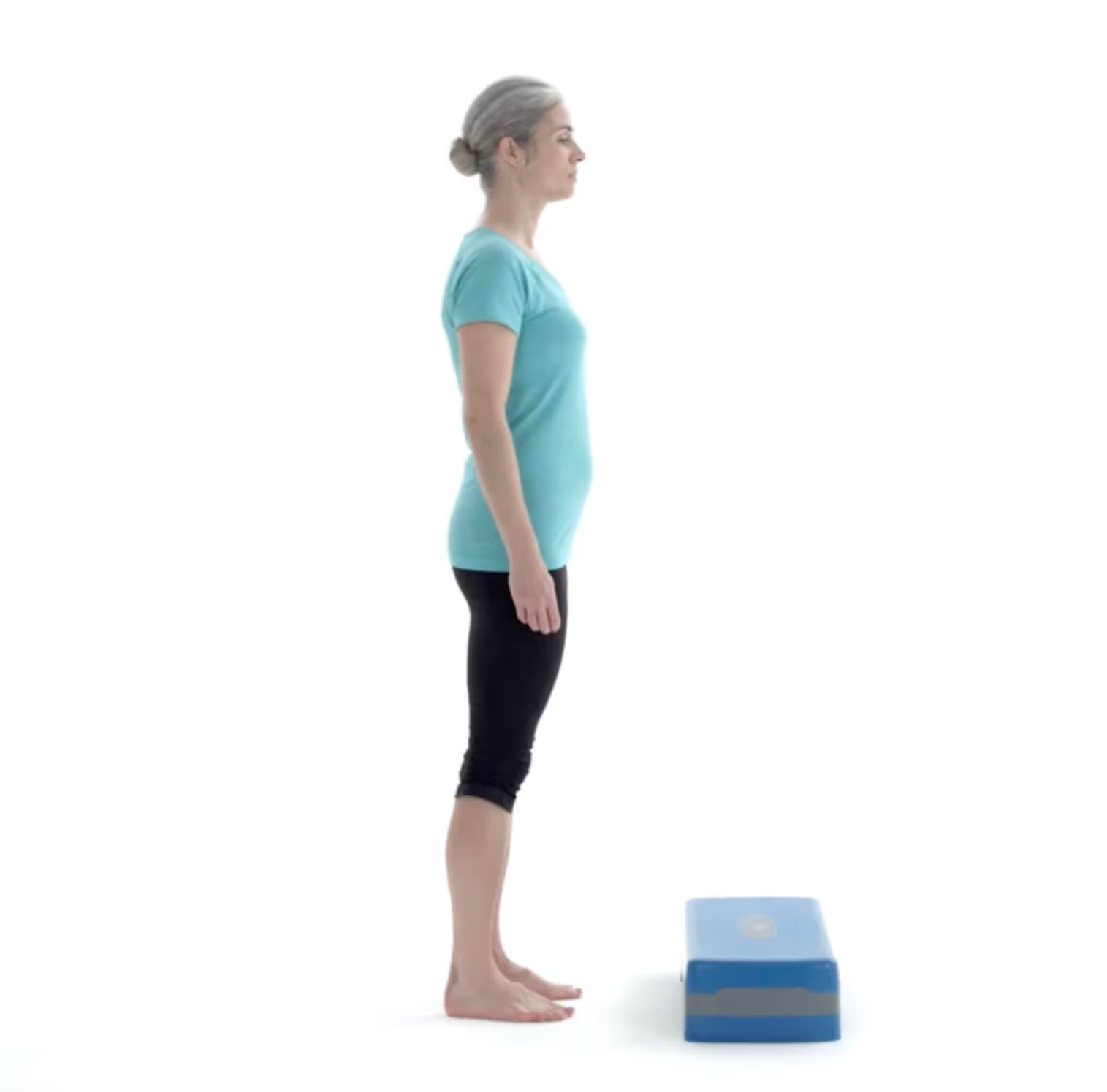
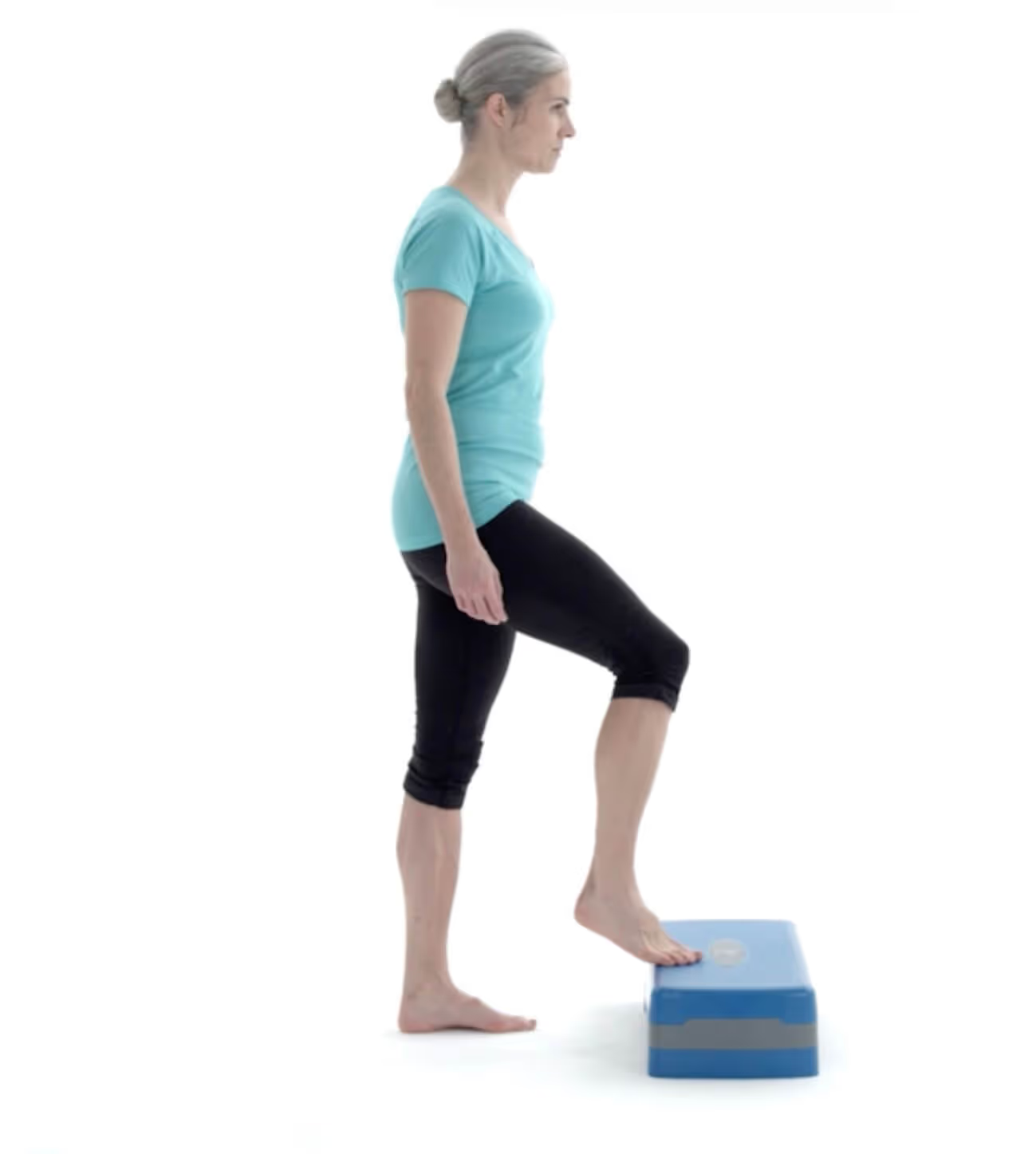
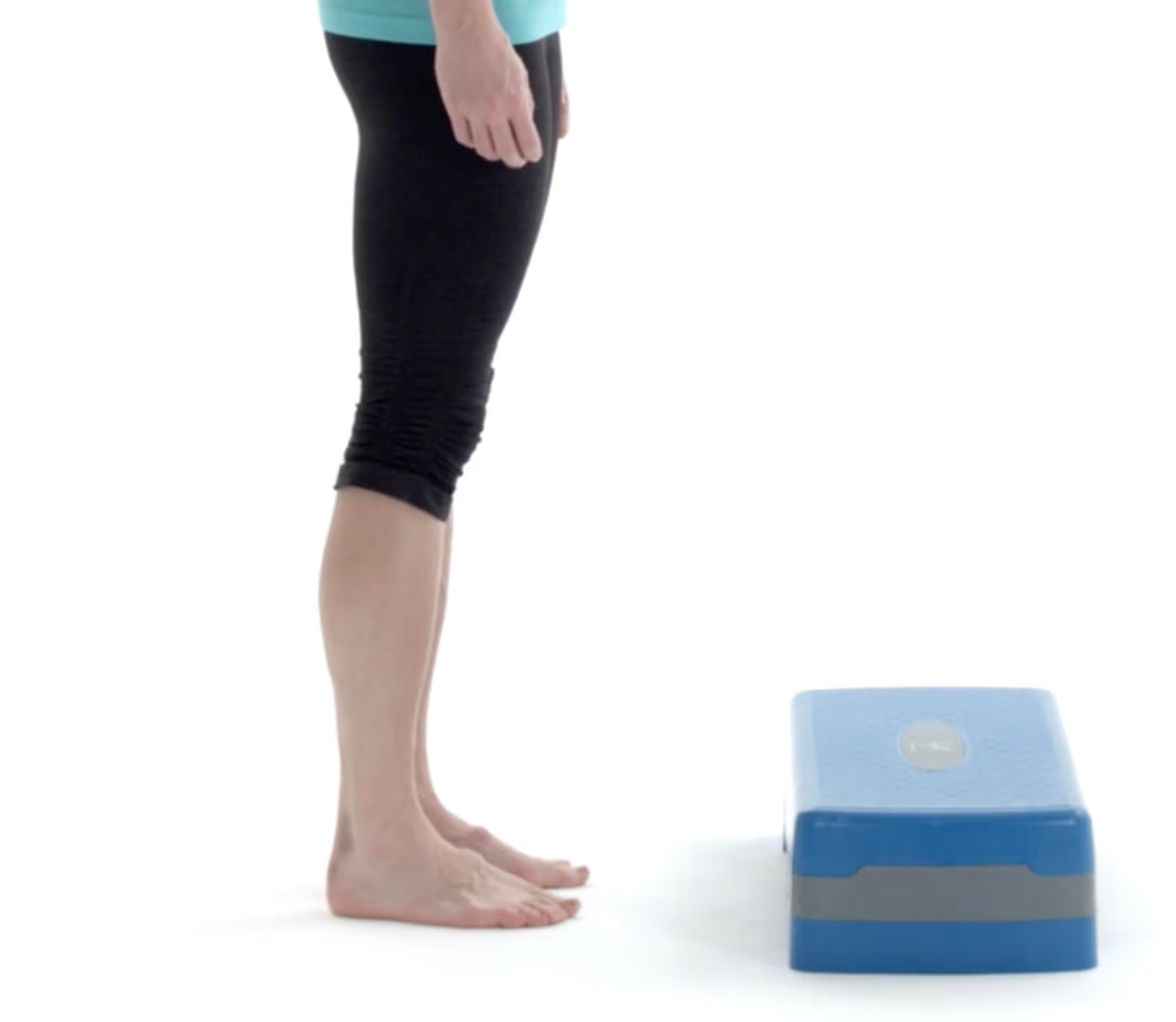


%20(1).avif)
3. About the toe step
- The exercise is used to improve balance, coordination, and strength in the ankle and leg muscles. It can also help to improve proprioception, or the ability to sense the position and movement of the joints and muscles.
4. Benefits of toe step
Here are some potential benefits of performing this exercise:
- It improves balance, coordination, and strength in the ankle and leg muscles
- It helps to improve proprioception
- It improves the ability to sense the position and movement of the joints and muscles
5. FAQ on toe step


Step toe taps is an exercise used in rehabilitation to improve balance, coordination, and strength in the ankle and leg muscles. It is performed by standing on one foot and tapping the toe of the other foot on the ground in front of the standing leg.
Step toe taps exercise is often prescribed by physical therapists and other rehabilitation professionals as part of a comprehensive treatment plan for individuals recovering from ankle or knee injuries. It helps to improve proprioception, or the ability to sense the position and movement of the joints and muscles, and can aid in the recovery process.
To perform step toe taps exercise, stand on one foot and slowly lift the other foot off the ground. Tap the toe of the lifted foot on the ground in front of the standing leg. Repeat the movement for the desired number of reps. It is important to maintain proper form and to perform the exercise slowly and with control.
The number of reps will depend on your current condition and the stage of your recovery. Your physical therapist or rehabilitation professional will provide guidance on the appropriate number of reps for you.
Yes, resistance band or weight can be used to increase the difficulty of the exercise. Make sure to progress gradually and to use the appropriate resistance for your current level. It is important to follow the guidance of your physical therapist or rehabilitation professional.

