

Step-by step guide to the thumb opposition exercise
Maximize effectiveness: Tips for patients and practitioners
Step-by step guide to the thumb opposition exercise
Maximize effectiveness: Tips for patients and practitioners

1. Step-by-step video on how to do the thumb opposition

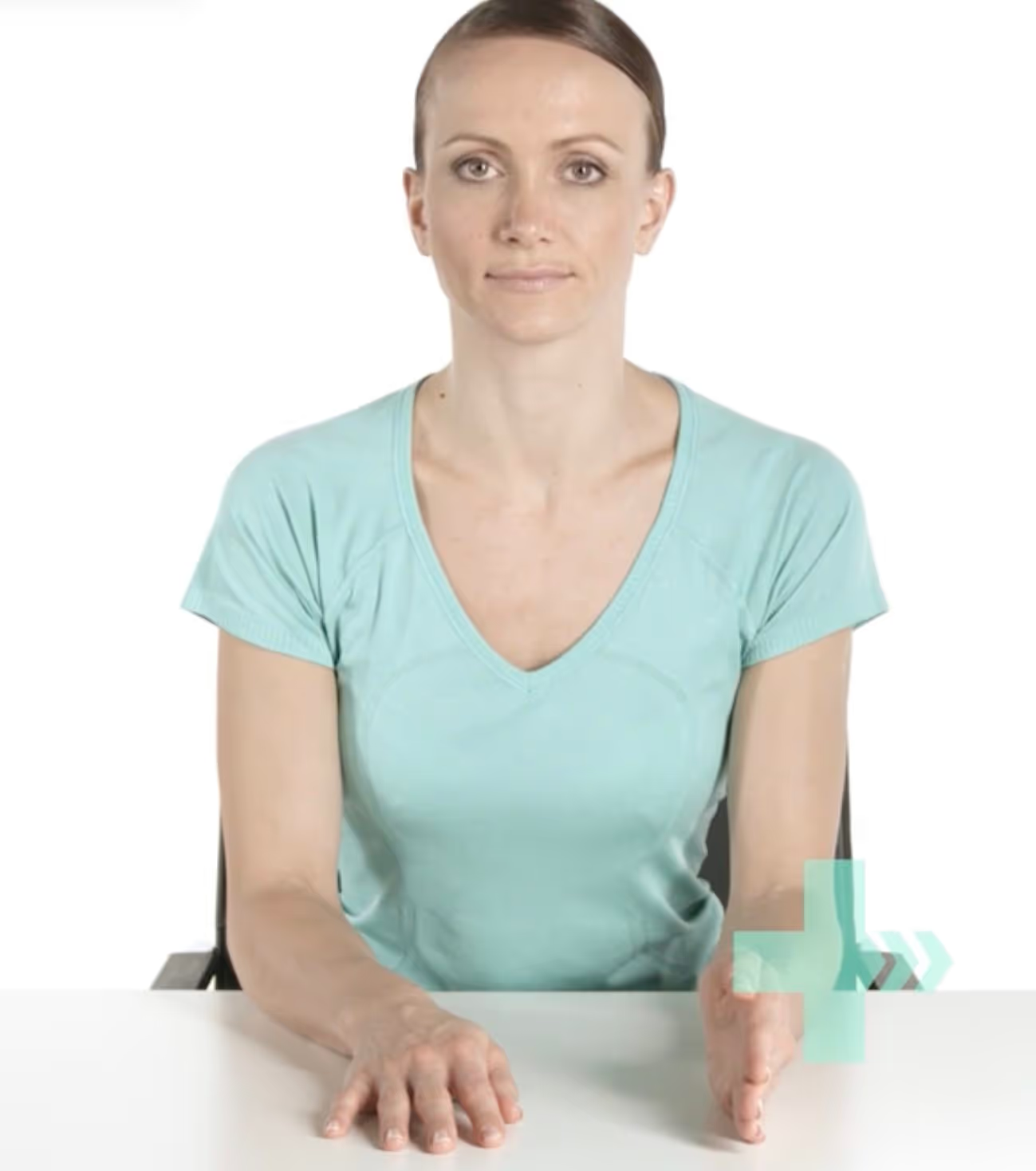
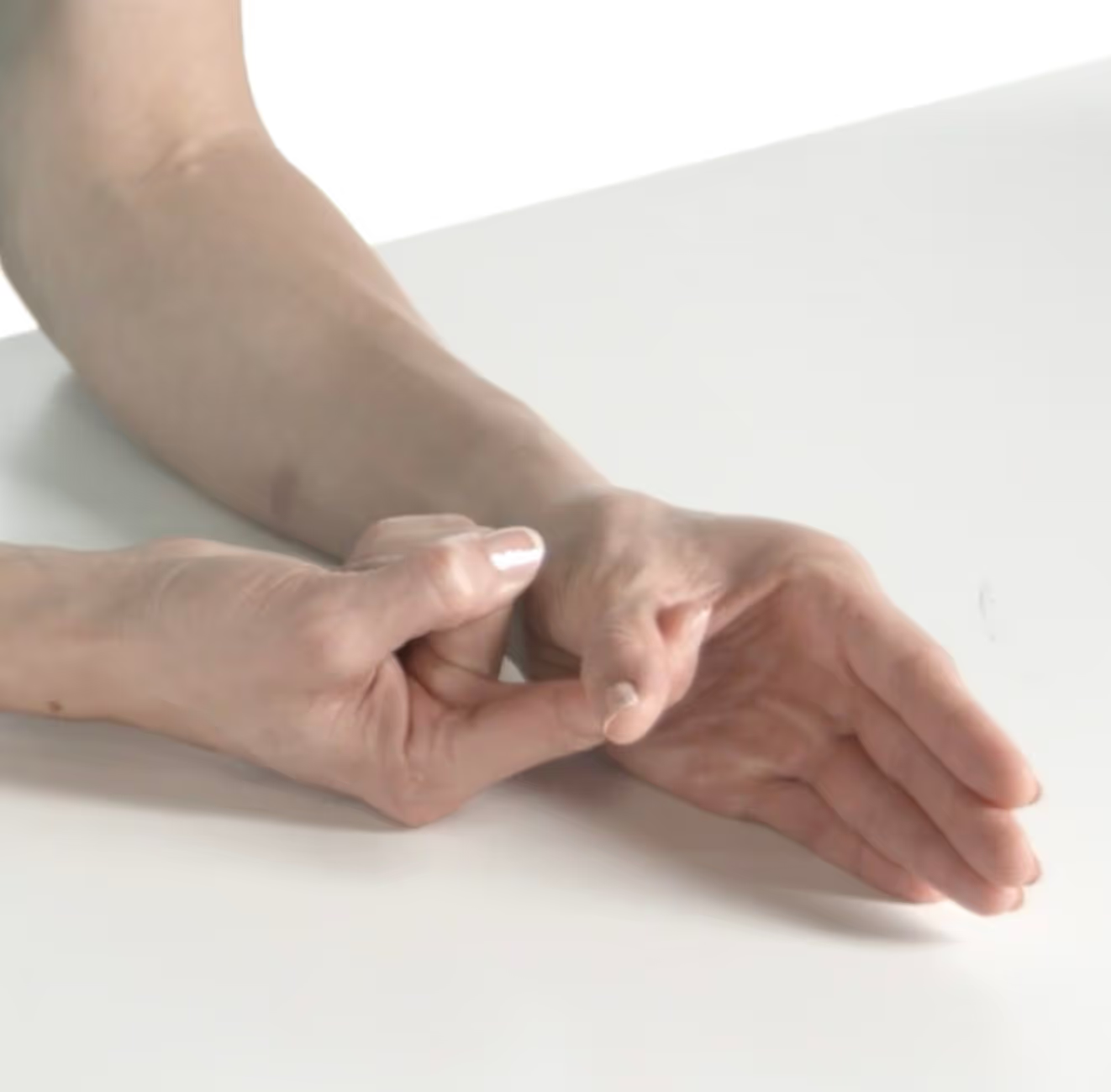
2. How to perform the thumb opposition? Follow these instructions:



%20(1).avif)
3. About the thumb opposition
- Is fairly simple to do
- Requires minimal resistance
- Moves your wrist and thumb through a full range of motion
- Improves finger strength and dexterity
- Can help people do everyday tasks such as opening jars or playing musical instruments with more ease.
4. List benefits of thumb opposition
Here are some potential benefits of performing this exercise:
- Improved dexterity and grip strength
- Improved sensory motor mapping for fine motor control
- Improved functional hand postures for activities of daily living
- Enhanced range of motion and coordination in the thumb
- Increased awareness of the relationship between the thumb and other fingers for improved control and accuracy when performing tasks
5. FAQ on thumb opposition


Thumb opposition is a hand movement that involves using the thumb to press against the other four fingers. It is used to increase dexterity and strength in the hand and can be used to perform various tasks such as picking up small objects, writing, and playing instruments.
Thumb opposition exercises target the muscles of the thumb, including the thenar muscles, the abductor pollicis longus, the flexor pollicis brevis, and the opponens pollicis.
Thumb opposition is an important fine motor skill that is beneficial for a variety of activities. It helps to improve hand strength and dexterity, as well as coordination and balance. It can also help to improve fine motor skills such as writing, drawing, and cutting. In addition, thumb opposition helps to develop bilateral coordination, which is important for tasks such as buttoning, zipping, and tying shoes. Finally, thumb opposition can help to improve hand-eye coordination, which is essential for activities such as sports and playing musical instruments.
It is recommended that you practice thumb opposition exercises at least two or three times a week. However, if you are trying to improve your dexterity or strength, you can practice more often.
The correct form for thumb opposition is to place your thumb on the opposite side of your palm, with the tip of your thumb facing the opposite direction.

