

Step-by step guide to the partial weight bearing exercise
Maximize effectiveness: Tips for patients and practitioners
Step-by step guide to the partial weight bearing exercise
Maximize effectiveness: Tips for patients and practitioners

1. Step-by-step video on how to do the partial weight bearing exercise

How to perform the Partial Weight Bearing

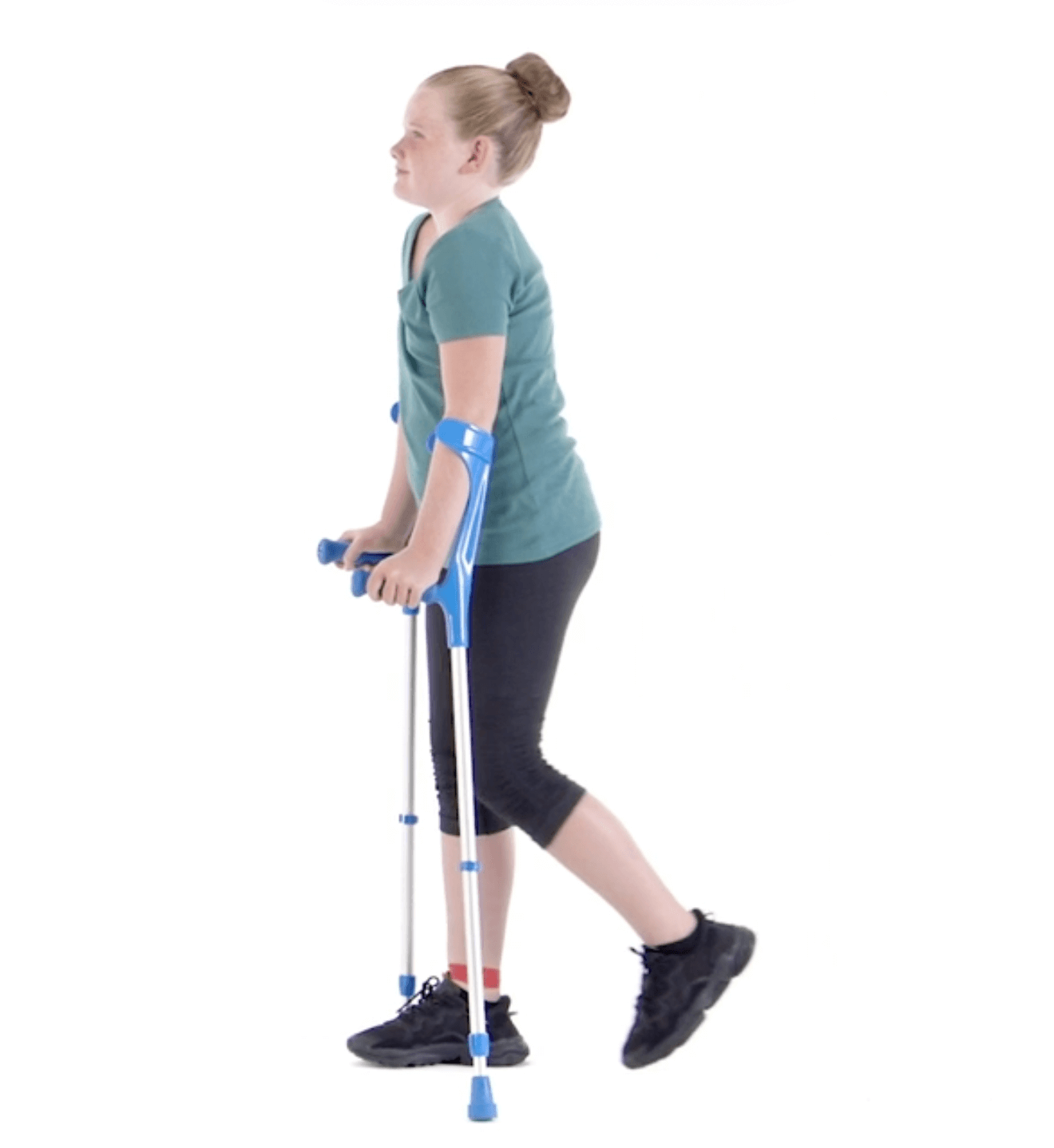


%20(1).avif)
3. About the partial weight bearing exercise
- Partial weight bearing involves bearing some of your body weight on an affected limb after an injury
- It helps create muscle memory and restores proper range of motion to the limb
- It helps build strength in the limb and can prevent further injury
- Regular checkups and follow-up with a doctor are essential for optimal recovery benefits
4. Benefits of the partial weight bearing exercise
Here are some potential benefits of performing this exercise:
- Improved balance and coordination
- Reduces joint stress and pain
- Improves range of motion
- Enhances circulation in the injured area.
5. FAQ on the partial weight bearing exercise


Partial weight bearing exercise is a type of physical therapy that involves supporting some of the patient's body weight while they perform exercises. This type of exercise helps to strengthen the muscles and joints, improve balance and coordination, and increase range of motion. It is often used to help patients recover from injuries or surgeries.
Partial weight bearing exercise can help improve strength, balance, and coordination. It can also help reduce pain and improve range of motion. Additionally, partial weight bearing exercise can help improve cardiovascular health and reduce the risk of falls.
Partial weight bearing exercise should be done as often as recommended by your doctor or physical therapist. Generally, it is recommended to do these exercises at least 3-4 times a week.
The risks associated with partial weight bearing exercise include increased risk of joint instability, increased risk of injury to the muscles and ligaments, increased risk of falls, and increased risk of joint pain and discomfort. Additionally, if done incorrectly, partial weight bearing exercises can put too much strain on the muscles and joints, leading to further injury.

