

Step-by-step guide to the stand on one leg exercise
Maximize effectiveness: Tips for patients and practitioners
Step-by-step guide to the stand on one leg exercise
Maximize effectiveness: Tips for patients and practitioners

1. Step-by-step video on how to do the stand on one leg.

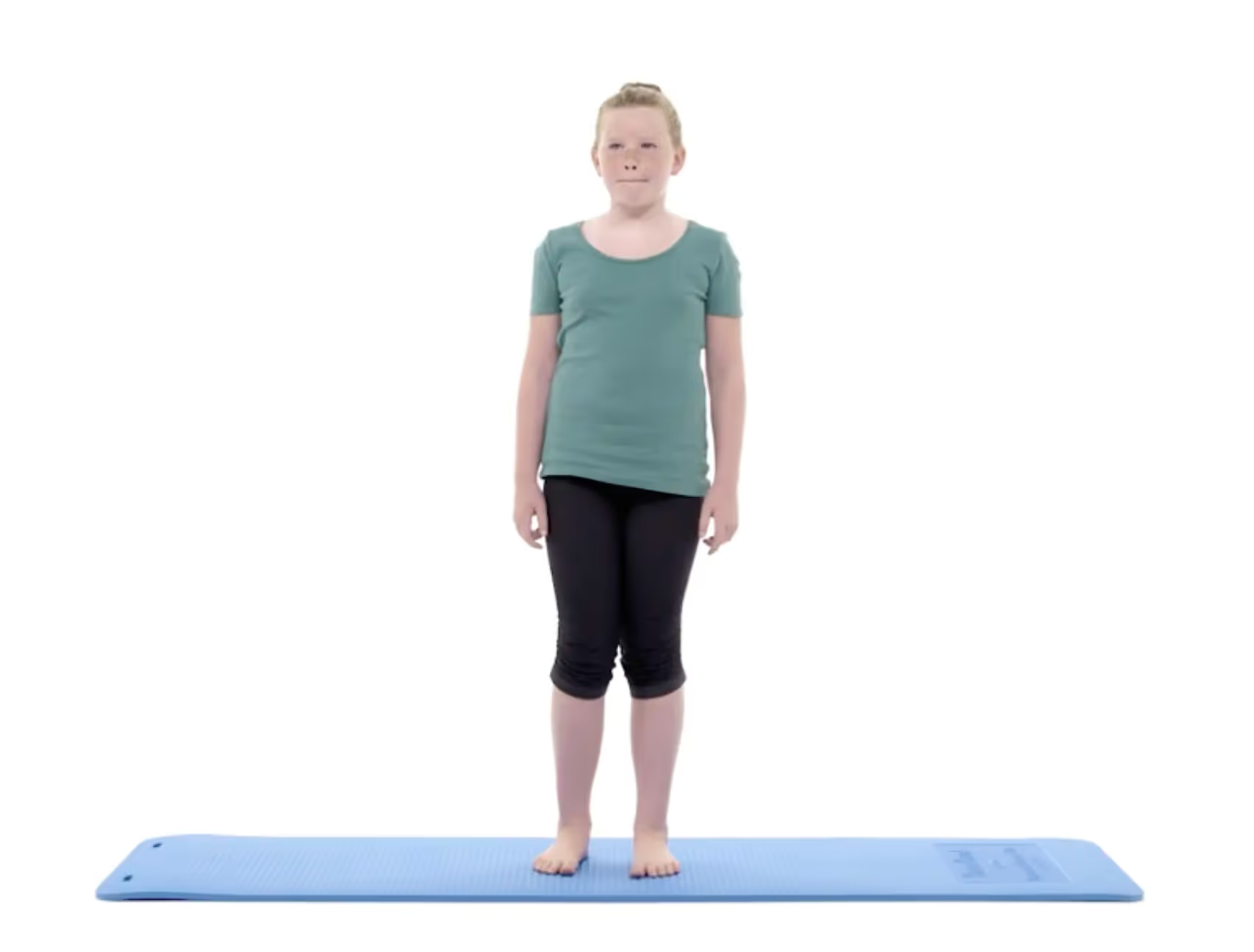
2. How to perform the stand on one leg? Follow these instructions.


%20(1).avif)
3. About standing on one leg.
- Strengthens the muscles and joints of the standing leg
- Ensures blood circulation throughout the body
- Increases concentration and body awareness
- Can be done for short periods of time throughout the day
4. Benefits of standing on one leg exercise.
Here are some potential benefits of performing this exercise:
- Strengthens core muscles, improving balance and stability
- Improves body alignment and posture
- Reduces the risk of injury due to overuse whilst running or walking
- Increases circulation in the legs, helping to reduce fatigue and swelling.
FAQ on stand on one leg exercise


Standing on one leg for too long can be dangerous and can cause muscle fatigue or strain. It is generally recommended to stand on one leg for no more than 30 seconds at a time.
When standing on one leg, the muscles in the lower body are activated, including the gluteus maximus, quadriceps, hamstrings, and calf muscles. Additionally, the core muscles, such as the obliques and rectus abdominis, are also activated.
It is generally safe to stand on one leg, as long as you are not doing it for an extended period of time. However, it is important to make sure that you have good balance and that you are not putting yourself at risk of falling. Additionally, it is important to make sure that you are not standing on an uneven surface or in an area where you may slip.
If you experience pain while standing on one leg, it is important to stop and rest. It could be a sign of an underlying medical condition, such as arthritis or a muscle strain. It is best to speak to your doctor to determine the cause of the pain and to get the appropriate treatment.

