Step-by-step guide to the squat jumping exercise

Maximize effectiveness: Tips for patients and practitioners

Step-by-step guide to the squat jumping exercise

Maximize effectiveness: Tips for patients and practitioners

video camera icon

1. Step-by-step video on how to do the squat jumping.

Icon of a checkbox

2. How to perform the squat jumping? Follow these instructions.

Step 1
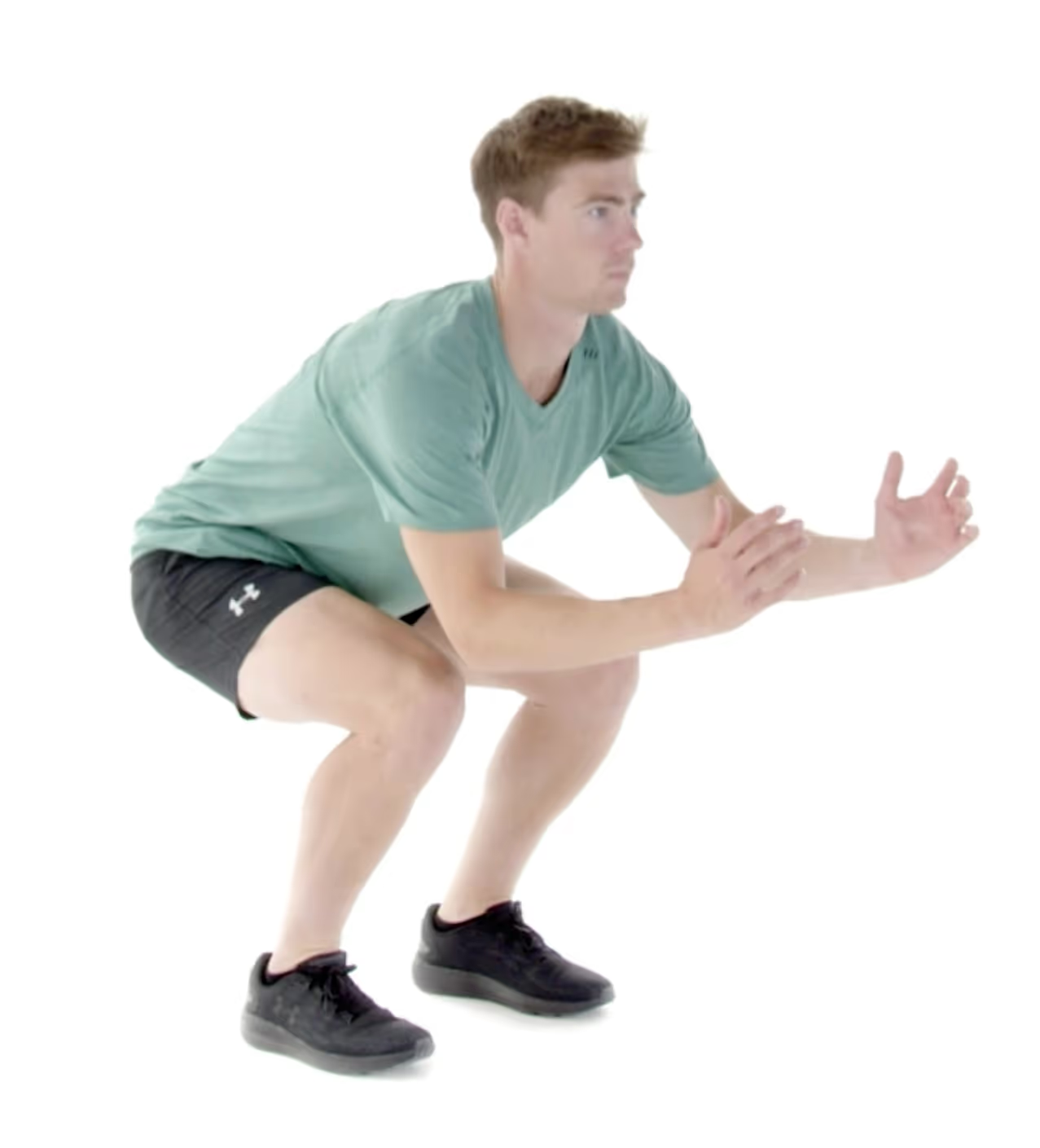
Stand up straight with your feet shoulders width apart. Bend your knees as you sink your buttocks backwards as if descending into a chair.
Step 2
Drive through your buttock muscles and push through your heels to jump up, whilst simultaneously opening your legs and arms outwards to form a shape resembling a star.
Step 3
Land with your feet shoulders width apart and immediately lower back down into a squat.
Step 4
Step 5
Prescribe. Educate. Engage.

Unlock Physitrack - all in one platform for practitioners!
Start your 30-day free trial today.
Get Started
Various devices showing the Physitrack UI
Want to receive your exercise programs via app?

Refer your physiotherapist and start using PhysiApp!
Leave clinic details
Mobile devices showing the user interface of Phystrack
Icon of a checkbox

3. About the squat jumping.

  • A squat jump is an explosive, full-body exercise that challenges your lower body, core, and cardiovascular system
  • It is important to keep a neutral spine and a straight back during the jump
  • Begin with feet hip-width apart and slowly lower yourself into a squat position
  • Drive through heels to explode upward, extending both arms and legs while jumping
Icon of a checkbox

4. Benefits of squat jumping exercise.

Here are some potential benefits of performing this exercise:

  • Improves cardiovascular health
  • Develops strength and power in the lower body
  • Increases bone density
  • Improves balance and flexibility.
Icon of a checkbox

FAQ on squat jumping exercise

What muscles does squat jumping work?
Plus iconMinus icon

Squat jumping works a variety of muscles, including the quadriceps, glutes, hamstrings, calves, and core muscles.

How often should I do squat jumping?
Plus iconMinus icon

Squat jumping should be done no more than 2-3 times per week. It is important to allow your body to rest and recover in between workouts. If you are feeling any pain or discomfort, it is best to take a break from squat jumping until the pain subsides.

What is the best way to warm up before squat jumping?
Plus iconMinus icon

The best way to warm up before squat jumping is to do a dynamic warm-up that includes bodyweight exercises such as squats, lunges, and leg swings. This will help to activate the muscles used in squat jumping and reduce the risk of injury.

Is squat jumping safe for my joints?
Plus iconMinus icon

Squat jumping is generally safe for your joints, as long as you use proper form and don't jump too high. However, if you have any existing joint issues, it is best to consult with a doctor before engaging in any type of jumping exercise.

Plus iconMinus icon

Prescribe. Educate. Engage.

Unlock Physitrack - all in one platform for practitioners!
Start your 30-day free trial today.
Get Started
Various devices showing the Physitrack UI
Want to receive your exercise programs via app?

Refer your physiotherapist and start using PhysiApp!
Leave clinic details
Mobile devices showing the user interface of Phystrack

Thank you for using our exercises!

We would love to know just one thing about you to help us improve these pages

What do you currently use as the main form for assigning exercises to your patient?

Next
Thank you! Your submission has been received!
Oops! Something went wrong while submitting the form.
Thank you! Your submission has been received!
Oops! Something went wrong while submitting the form.