

Step-by step guide to the square jumping exercise
Maximize effectiveness: Tips for patients and practitioners
Step-by step guide to the square jumping exercise
Maximize effectiveness: Tips for patients and practitioners

1. Step-by-step video on how to do the square jumping

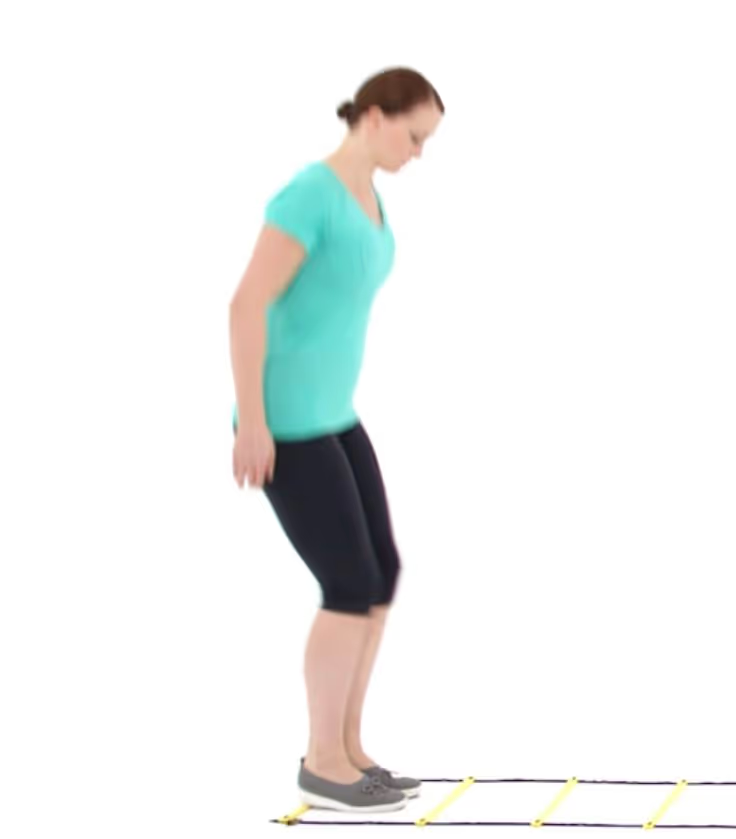
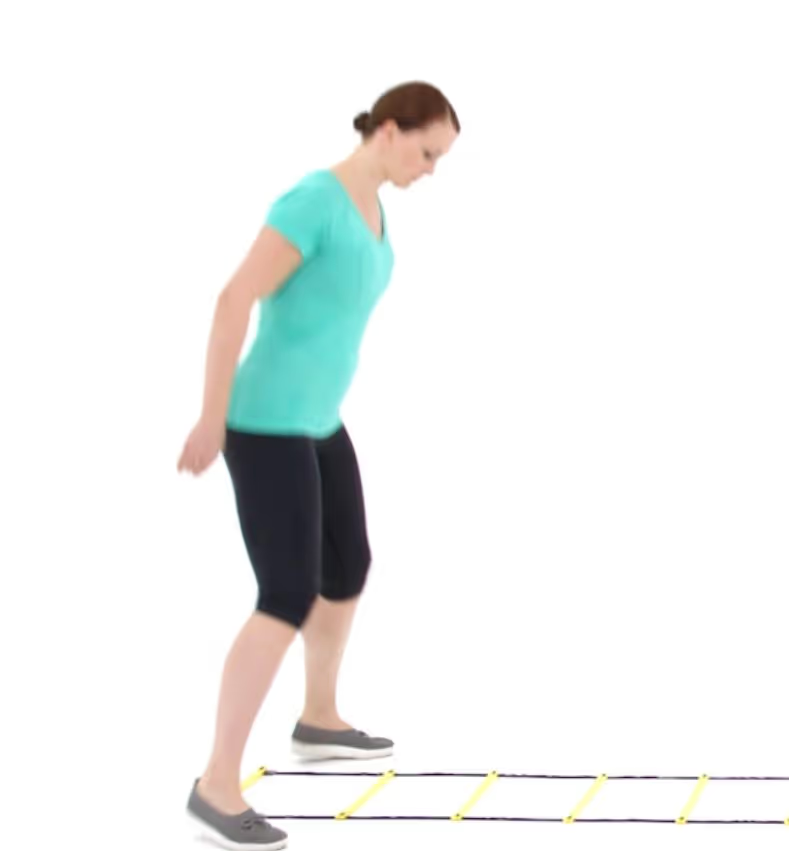
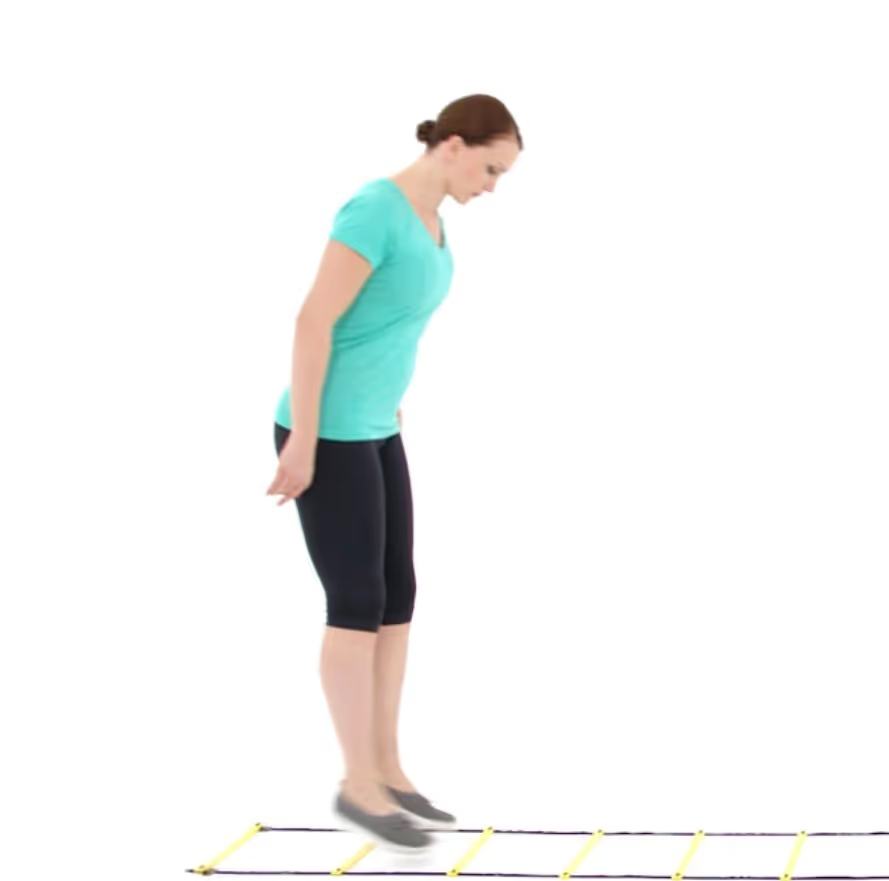
2. How to perform the square jumping? Follow these instructions:

%20(1).avif)
3. About the square jumping
- Alternates between jumping and landing on both feet
- Perform jumping exercises in the same or alternating patterns
- Improves balance, coordination, agility and joint stability
- Strengthens legs, hips and core muscles
- Enhances power and speed of movements
4. List benefits of square jumping
Here are some potential benefits of performing this exercise:
- Improves coordination and balance
- Builds leg muscles
- Increases cardiovascular endurance
- Strengthens core muscles
- Enhances overall fitness and flexibility
5. FAQ on square jumping


Square jumping works a variety of muscles, including the calves, quads, glutes, hamstrings, and core. It also helps to improve balance and coordination.
Square jumping is a type of jump rope exercise that involves jumping over a square-shaped rope. The proper technique for square jumping is to hold the rope in both hands, with your arms extended and your elbows bent. Jump over the rope with both feet together, and land with your feet apart. Make sure to keep your arms and elbows bent, and keep the rope taut. Keep your head up and your eyes focused on the rope, and maintain a steady rhythm.
The frequency of square jumping depends on your fitness level and goals. If you are a beginner, you should start with 1-2 square jumps per session, 2-3 times a week. As you become more advanced, you can increase the number of square jumps and the frequency of your sessions.
No, square jumping is not suitable for all ages. It is best suited for children aged 6 and older.
Flat-soled shoes are the best type of footwear for square jumping. Shoes with a lot of cushioning or arch support can make it difficult to move quickly and accurately between squares.

