

Step-by step guide to the rolling wall exercise
Maximize effectiveness: Tips for patients and practitioners
Step-by step guide to the rolling wall exercise
Maximize effectiveness: Tips for patients and practitioners

1. Step-by-step video on how to do the rolling wall

2. How to perform the rolling wall? Follow these instructions:
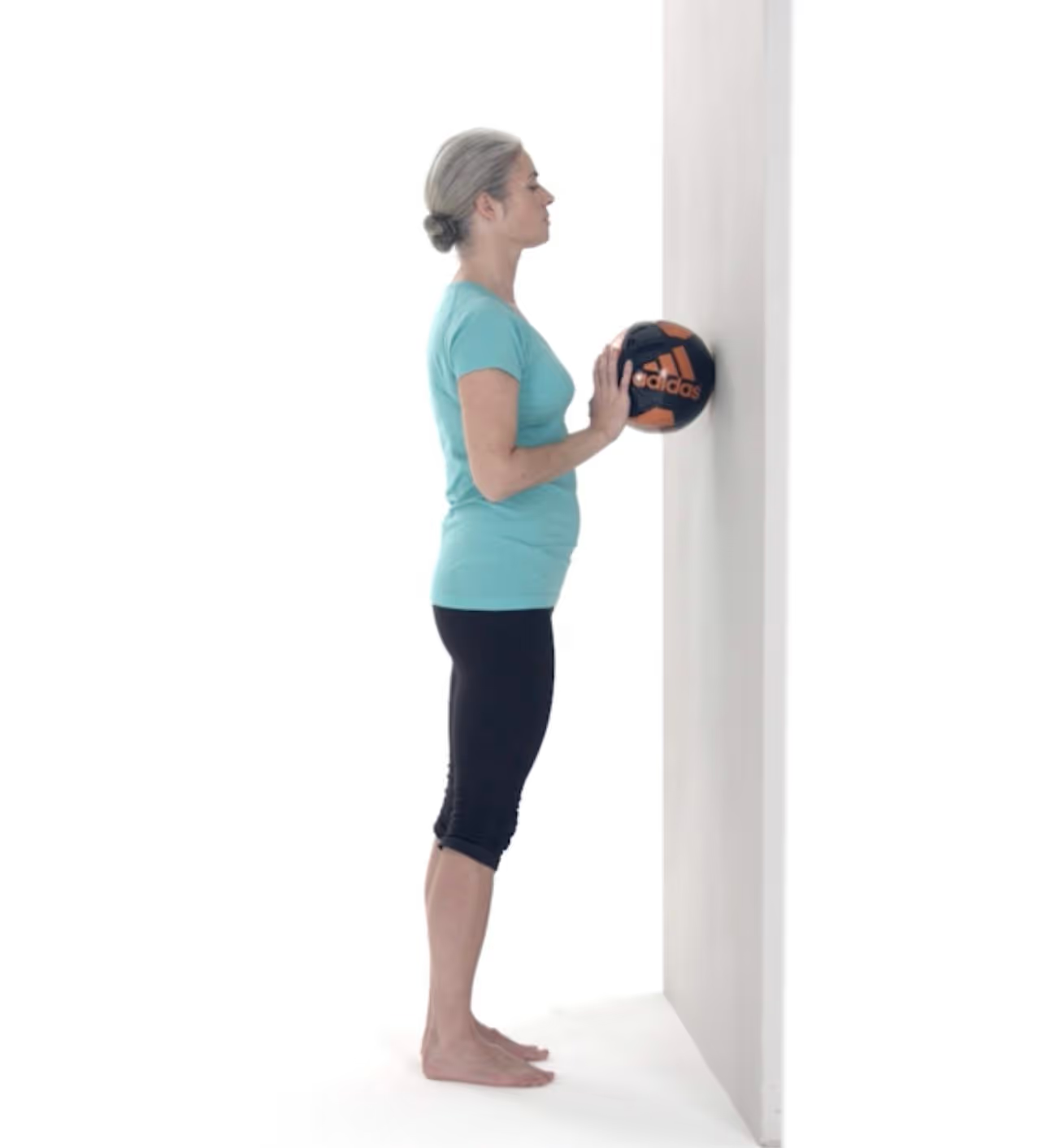
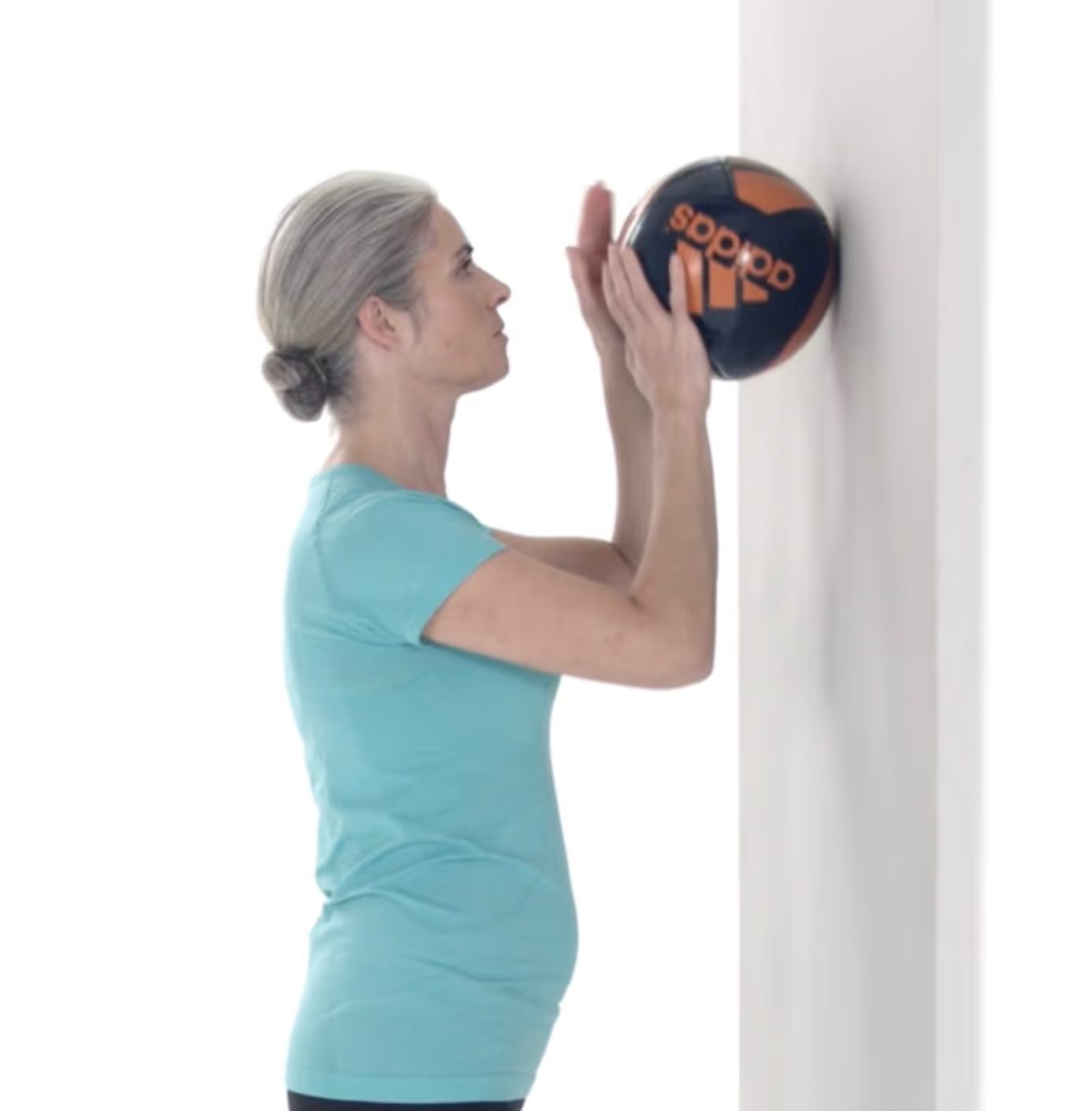
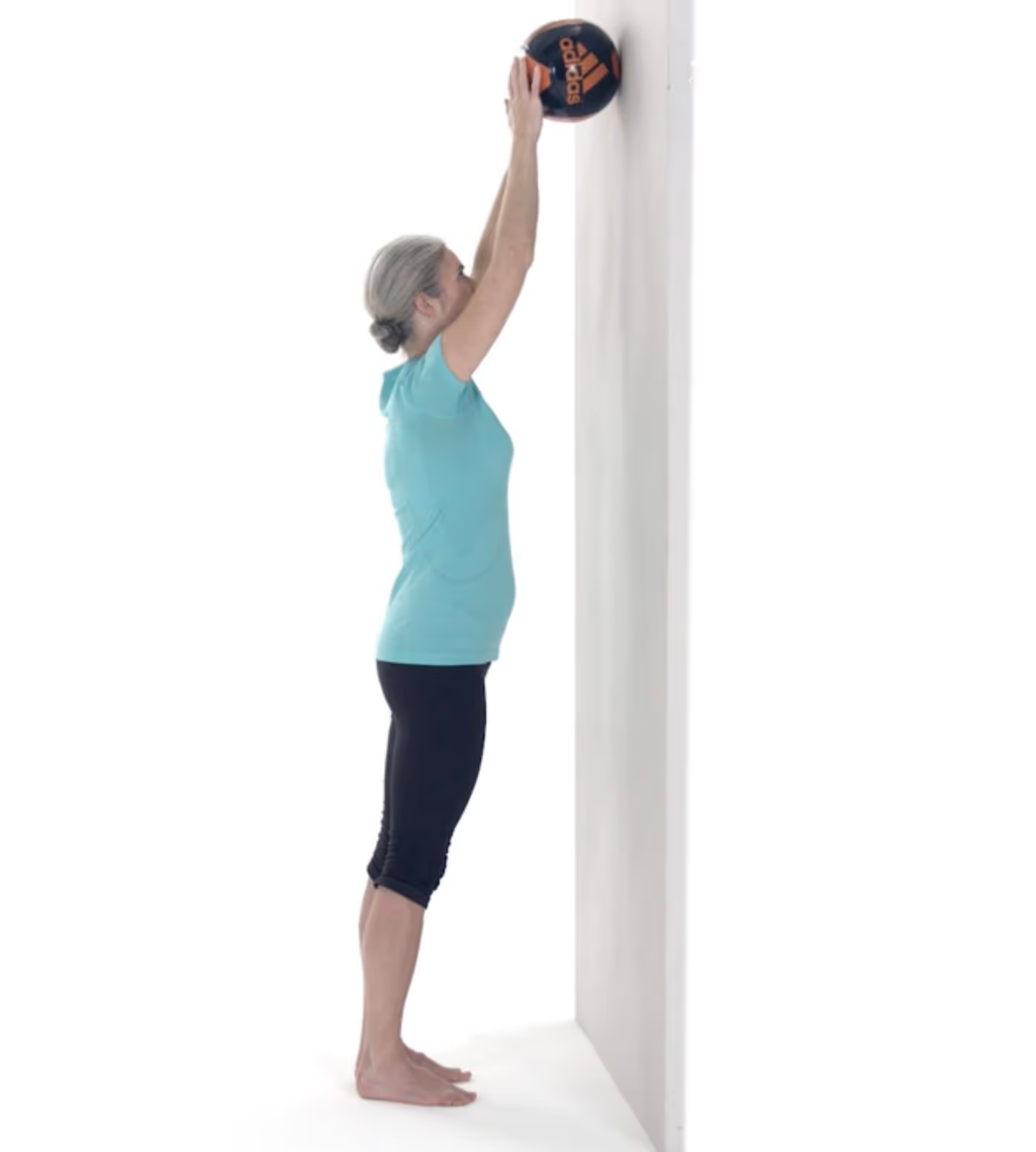
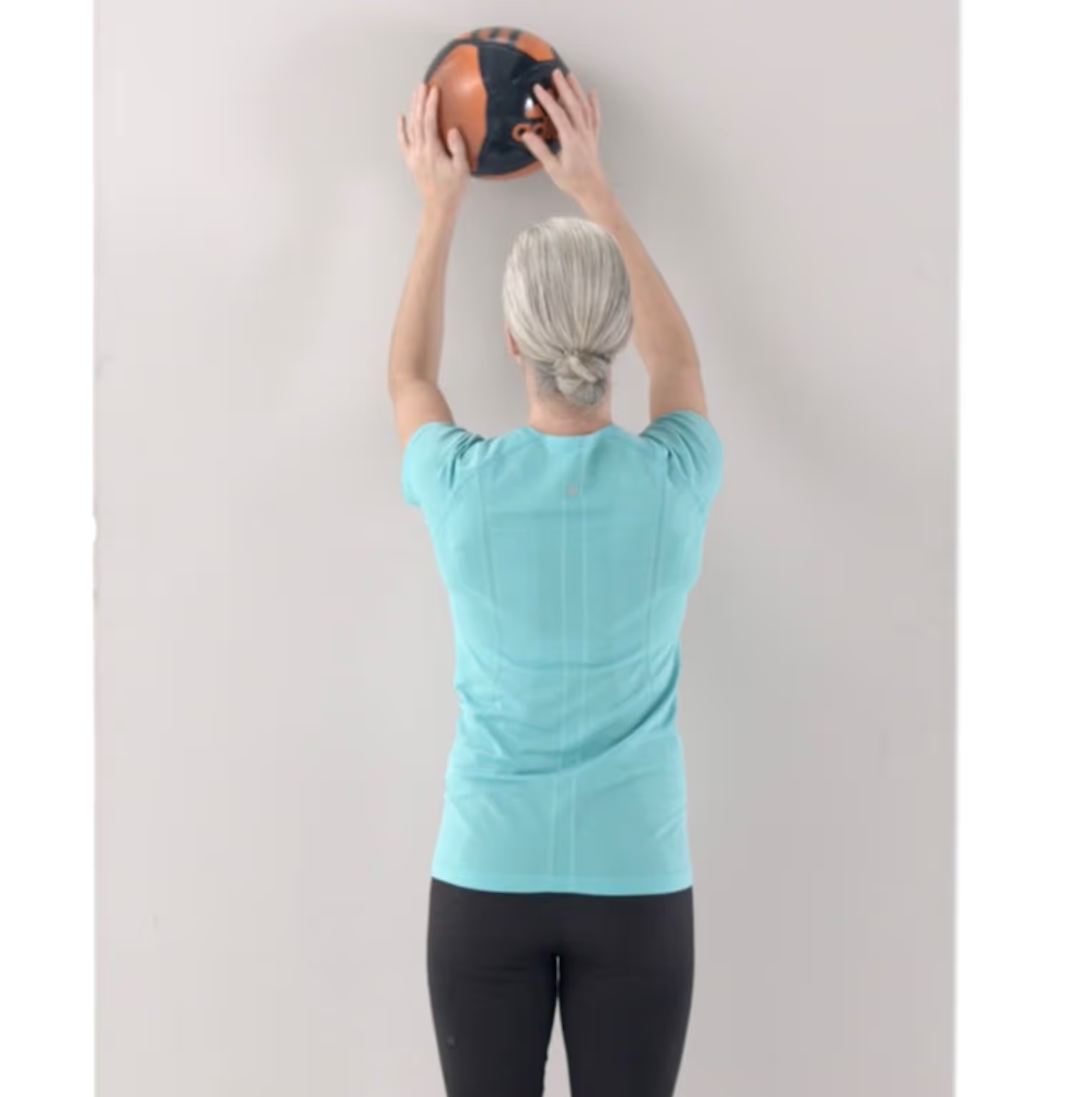

%20(1).avif)
3. About the rolling wall
- Targets the core, chest, and shoulder
- Can improve mobility and posture
- Easy to do and requires only a wall and a small ball
- Can be done anywhere, anytime
4. List benefits of rolling wall
Here are some potential benefits of performing this exercise:
- Strengthens and tones the glutes and thighs
- Improves posture
- Improves balance and stability
- Improves coordination
5. FAQ on rolling wall


A rolling wall exercise targets the quadriceps, glutes, and hamstrings. Additionally, it can help to strengthen the core muscles and improve balance.
The length of time you should hold a rolling wall depends on your fitness level and goals. Generally, it is recommended to hold the wall sit for at least 30 seconds and up to one minute. If you are looking to increase your endurance and strength, you can gradually increase the time to two minutes or more.
The correct form for a rolling wall is to start with your back against a wall, feet shoulder-width apart and slightly bent. Then, slowly roll down the wall until your thighs are parallel to the ground, and hold the position for 30 seconds. To come out of the position, roll back up the wall until you are standing.
The best way to progress a rolling wall is to increase the amount of time you spend in the position. Start by holding the wall sit for 10-30 seconds and gradually increase the duration over time. You can also increase the intensity of the exercise by adding weight or using a resistance band for added resistance.

